Multi-chain crypto wallets enable users to hold, swap, and interact with hundreds of coins and tokens across different networks from a single interface. That makes crypto easier to use and provides you with access to numerous investment opportunities across the growing DeFi space.
In this guide, we review five of the leading multi-chain crypto wallets, looking at their key features, supported assets, and who they suit best.
Quick Takeaway
- Multi-chain wallets help you store and manage digital assets from multiple blockchains in one place.
- Zypto, Trust Wallet, MetaMask, Guarda, and Exodus are all designed as multi-chain wallets, but each offers a unique experience and supports different asset lists.
Zypto
Zypto is a multi-chain crypto wallet designed for people who want to do more than just store their crypto. It offers buying, selling, swapping, spending, and payment options. It also offers crypto debit cards and merchant solutions, which make it more valuable to everyday users, including those looking for flexible ways to make payments using crypto in stores that otherwise don’t accept crypto.
Key Features
- All-in-one crypto wallet and payments app
- Virtual and physical crypto debit cards
- Crypto bill payments and gift card purchasing
- Built-in crypto buying options
- Crypto payment gateway for merchants
- Non-custodial wallet security
- Integrated swap feature
Supported Coins
- Bitcoin
- Ethereum
- Stablecoins
- Major EVM assets
- Over 24,000 tokens across networks
Trust Wallet
Trust Wallet is a multi-chain crypto wallet that is owned by Binance but operates as an independent app. It supports hundreds of thousands of digital assets and works for both beginners and intermediate users who want a wallet that supports mainstream coins as well as niche DeFi tokens.
Key Features
- Supports a wide range of assets
- Built-in decentralized exchange and staking
- NFT support across several blockchains
- Works with many DApps
- Non-custodial storage
Supported Coins
- Bitcoin
- Ethereum
- BNB Chain tokens
- Solana assets
- Polygon tokens
- Avalanche
MetaMask
MetaMask is one of the most widely used wallets in DeFi. Originally built for Ethereum, it has since expanded into a multi-chain wallet through custom network connections and integrations. MetaMask is ideal for DeFi users, NFT traders, and people who regularly interact with decentralized applications on EVM-compatible protocols like Uniswap or OpenSea.
Key Features
- Browser extension and mobile wallet
- Direct connection to Web3 and DeFi platforms
- Built-in swapping features
- Support for custom networks
- Simple private-key storage
Supported Coins
- Ethereum
- Layer-2 networks like Arbitrum and Optimism
- Binance Smart Chain assets
- Avalanche
- Polygon
- Additional EVM-compatible networks
Guarda
Guarda is a non-custodial multi-chain wallet available on web, desktop, and mobile. It offers a balance between usability and security and appeals to users who want a minimalist design while still having crypto management options. It is particularly useful for people who value staking, asset diversity, and hardware wallet compatibility.
Key Features
- Non-custodial storage
- Staking for a variety of tokens
- Fiat-to-crypto purchasing
- Web and desktop interface
- Hardware wallet integration
- Multi-signature functionality
- Built-in exchange service
Supported Coins
- Bitcoin
- Ethereum
- Litecoin
- Ripple
- Cardano
- Polkadot
- Dozens of additional network assets
Exodus
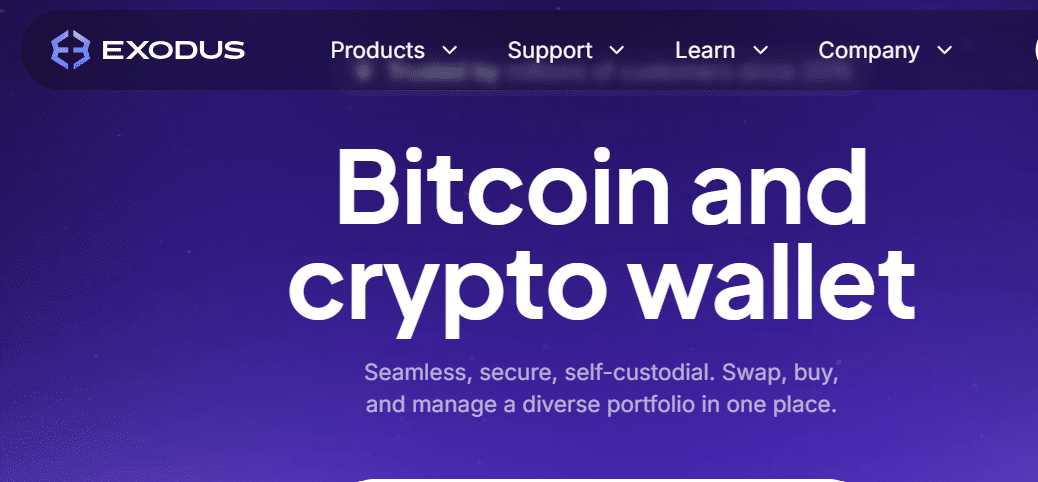
Exodus is one of the beginner-friendly multi-chain wallets on the market. It offers desktop and mobile versions, and integration with the Trezor and other hardware wallets. It is accessible to both new investors and long-term holders.
Key Features
- Intuitive interface
- Desktop and mobile apps
- Hardware wallet compatibility
- Built-in portfolio tracker
- In-app swaps
Supported Coins
- Bitcoin
- Ethereum
- Solana
- Avalanche
- Polygon
- Litecoin
- Hundreds of additional tokens and assets
So, Which Multi-Chain Wallet Is the Best?
There is no single wallet that is best for everyone. Your ideal wallet depends on how you use crypto and what you value most. Choosing the right wallet comes down to aligning your security needs, investment approach, and comfort level with the tools you rely on to protect your digital assets.
Before choosing, think about how often you transact, whether you use DeFi, and how comfortable you are managing your own keys. You should also consider your need to manage multiple assets.
Whatever wallet you pick, secure your recovery phrase and follow best security practices. The best wallet is ultimately the one that helps you manage your crypto confidently across multiple chains.