Digital photography once asked something of you. It took preparation and a bit of faith. Long before iPhones folded cameras and photo-editing apps into daily life, taking a digital photo meant making choices in advance and living with them afterward. You carried a device for one purpose. And worried about batteries. You wondered if the light was good enough. Most importantly, you pressed the shutter without knowing, for sure, what you had just captured. That uncertainty mattered. Digital was not about speed or sharing. It described how an image existed without film, even if everything else about the experience felt slow, physical, and occasionally frustrating.
Early Digital Cameras Were Separate Devices
Digital cameras were tools, not companions. The world’s first digital camera was developed in 1975 by Eastman Kodak engineer Steven Sasson, a bulky prototype that captured black-and-white images onto a digital cassette tape and laid the foundation for digital photography. They lived in bags, glove compartments, and desk drawers. You reached for them on purpose. Most had thick bodies, pronounced grips, and buttons that clicked loudly enough to hear. You learned menus the hard way.
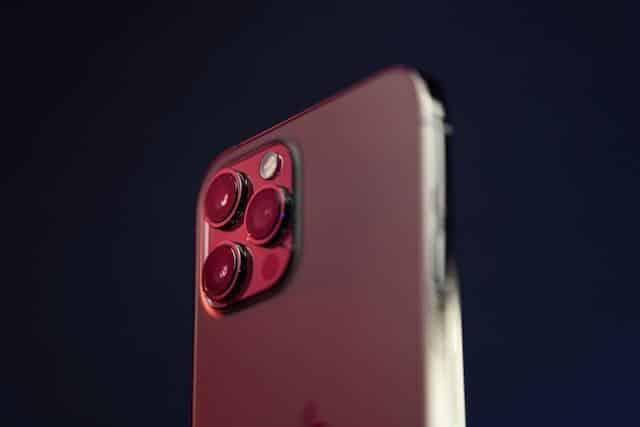
Battery life shaped behavior. People rationed shots during trips, knowing replacements were not always nearby. Storage limits were visible and unforgiving. The number of remaining photos mattered. Digital photography, before iPhones, felt closer to using equipment than owning a feature. You adapted to the device instead of expecting it to adapt to you.
Memory Cards, Cables, and Waiting
The photograph did not feel complete when you took it. Completion came later. Memory cards were tiny and oddly precious. Losing one meant losing everything. You removed them carefully or hunted for the right cable to connect to a computer. Sometimes the software worked. Sometimes it did not. Transfers stalled.
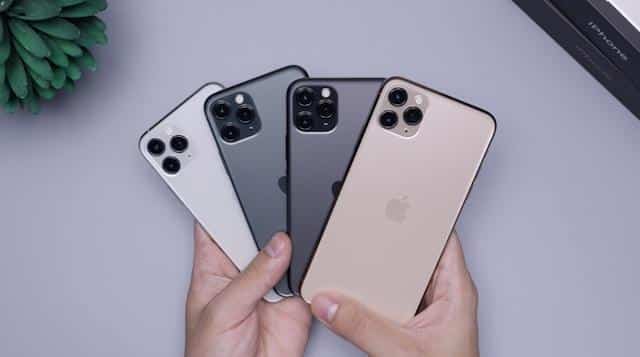
Before iPhone cameras, digital photography was definitely fiddlier.
Progress bars froze. Photos appeared slowly, often one thumbnail at a time. That delay changed the relationship to images. You revisited moments after they had passed. You saw mistakes with distance. In that space, judgment sharpened. Back then, before iPhones, photography had a built-in pause that encouraged restraint and reflection.
Small Screens and Learned Confidence
Camera screens existed, but they were rarely trustworthy. They washed out in sunlight and lied about sharpness. Zooming in showed pixels, not answers. You guessed. You learned to read shadows and highlights instead. Missed focus was common. Overexposure happened.
Those errors stuck because you could not erase them instantly. Over time, people learned to anticipate outcomes without confirmation. That confidence came slowly. It came from repetition. Digital photography rewarded attention, not immediacy. Before iPhones, the screen was a reference point, not a verdict, and photographers learned to rely on their own judgment instead.
Editing Came After the Moment
Editing belonged to a different place and time. It happened at desks, usually at night, long after the camera was put away. Software mattered. File organization mattered more. You sorted folders by date or event. You decided what to keep before doing anything else. Edits were cautious. Cropping felt final. Color correction took patience.
There was no sense of playing with sliders just to see what happened. Fixing a bad photo or a blurry video took effort, which discouraged carelessness during shooting. Digital tools supported intention rather than replacing it. The image you captured carried consequences into the editing stage.
Storage, Archiving, and the Fear of Loss
Keeping photos safe required vigilance. Hard drives failed without warning. CDs degraded. External drives needed labels and routines. People lost collections through accidents, not clicks. That fear changed behavior. You deleted weak images early. You backed up strong ones twice.
Digital photography included maintenance. Archiving became part of the process, not an afterthought. This responsibility added weight to each image. Photos were not endless or disposable. They demanded care. Even without physical prints, digital images felt fragile. Protecting them became part of the craft, reinforcing their value over time.
Sharing Was Limited and Selective
Sharing images took effort. Email attachments had limits. Uploads were slow. Many photos stayed private, seen only by the person who took them. When images were shared, they were chosen carefully. You explained the context. You told the story alongside the photo.
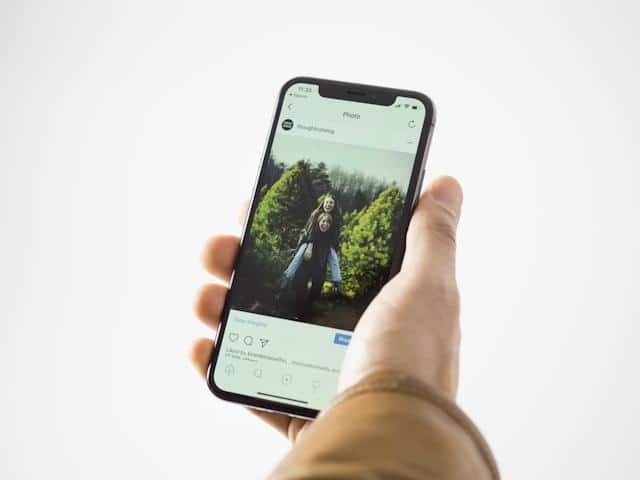
Sharing your images wasn’t nearly as effortless before smartphone photography.
Digital photography, before iPhones, favored selection over accumulation. The small number of shared images made each one feel deliberate. That scarcity shaped memory. Events were remembered through a few frames instead of hundreds. The act of sharing felt closer to communication than performance, and it shaped how photos were perceived.
What the iPhone Changed
The iPhone collapsed the entire process. Camera, darkroom, and distribution merged into a single gesture. The pause disappeared. Photography became constant. Digital no longer describes a workflow. It described convenience. Planning faded. Volume exploded. The camera stopped being something you prepared for and became something you carried by default. This shift reshaped habits more than technology itself. Images multiplied, but attention thinned. The earlier meaning of digital photography quietly dissolved as speed replaced deliberation.
Skill Was Built Through Limits
Older digital cameras forced users to slow down and adapt. Limited storage, weak low-light performance, and slow writing speeds shaped how people shot. You learned when not to take a photo. Waited for better light. You moved your feet instead of relying on zoom.
These limits quietly taught composition, timing, and restraint. Mistakes carried weight because fixing them later was difficult or impossible. Over time, photographers developed instincts rather than habits driven by convenience. The camera did not compensate for poor choices. It reflected them, clearly and without apology.
Digital Before Convenience
Looking back, digital photography once demanded patience and follow-through. Long before iPhones, it required judgment at every stage, from capture to storage. Those limits encouraged care and intention.
Modern tools offer freedom and speed, but they remove pauses that once shaped better habits. Remembering that older definition of digital helps restore perspective. Photography does not need to slow down completely to matter. It only needs to reclaim a bit of the attention it once required.
Main kw: before iPhones
Meta description: A look at what digital photography meant before iPhones, from early cameras and delayed workflows to the intention behind every image.