
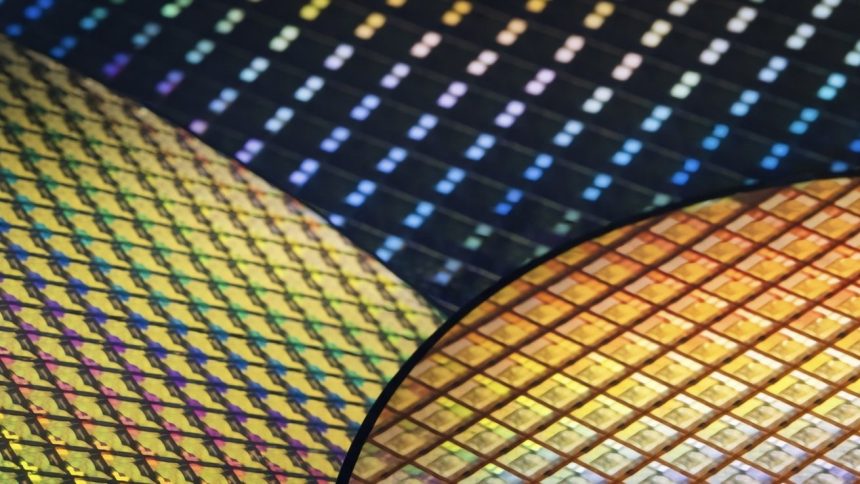
The Apple A20 chip could be priced at $280 for each unit, which is about 80% more than the past generation. A previous report regarding the supply chain showed smaller increase estimates, but recent projections have gone up since challenges in manufacturing remain persistent.
Apple is anticipated to manufacture its A20 chip using the 2-nanometer process by TSMC, focusing on gains in efficiency and performance at the cost of tighter constraints in production and costs for manufacturing. The company has accepted higher costs in early manufacturing in the past to lock in access to nodes at the forefront.
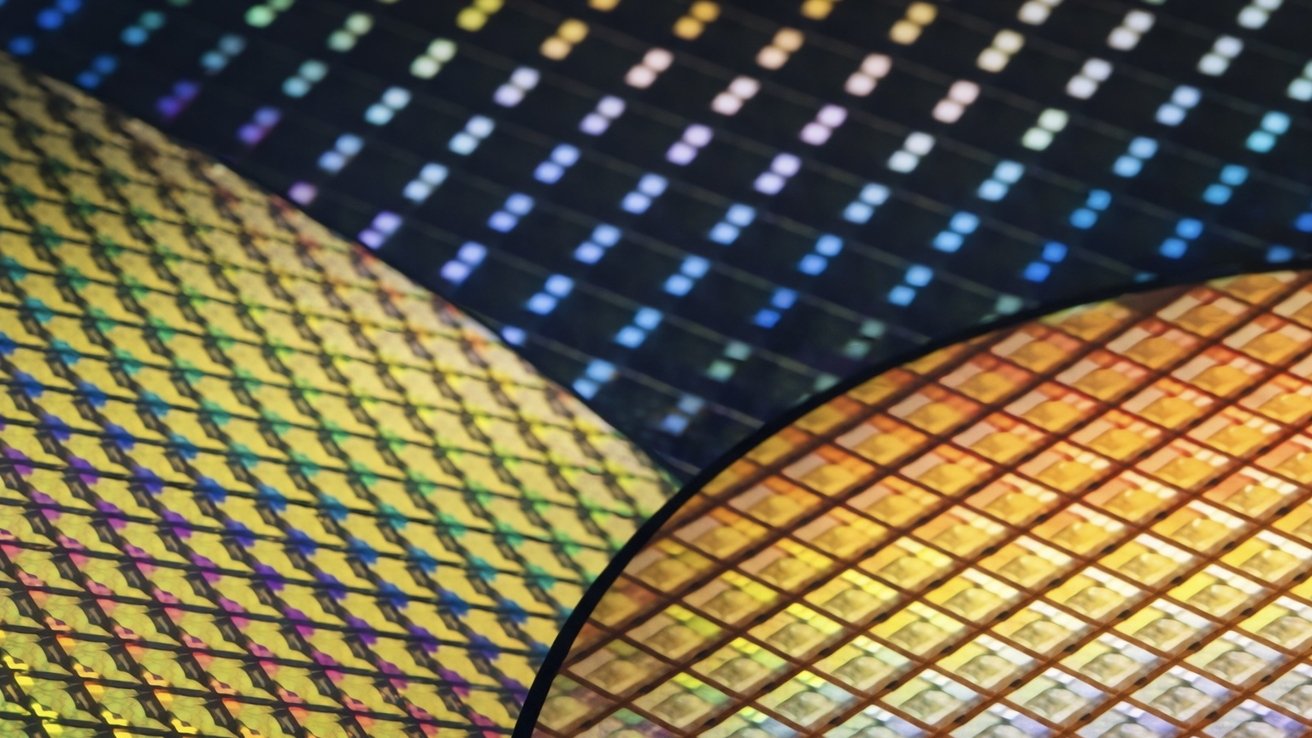
Apple’s yearly transitions for chips typically provide improvements in efficiency, but the 2nm process shows a shift that’s more disruptive. Manufacturing is harder at large numbers, but the nodes improve the density of transistors and power efficiency. With GAA or gate-all-around transistor building technology delivering better efficiency and less power wasted, users of iPhones get the benefit of sustained battery life and performance.