In our digital age, where information and transactions have moved online, ensuring the security of personal data has become paramount. One key aspect of securing online interactions is identity authentication. But how can we verify someone’s identity accurately?
This is where verified IDs play a crucial role. By requiring individuals to provide trusted and verified identification information, organizations can strengthen their authentication processes and safeguard against potential fraud. In this post, we will explore why organizations should verify IDs for reliable and secure authentication.
The Vulnerabilities of Traditional Authentication Methods:
1. Password-Based Systems:
A staple of online security, password-based systems have long been used to authenticate users. However, passwords are prone to be hacked or guessed, especially when weak or reused across multiple accounts. Moreover, users often resort to poor practices like writing down passwords or sharing them with colleagues – leaving accounts vulnerable to unauthorized access.
2. Knowledge-based Authentication:
Similar to password-based systems, knowledge-based authentication relies on asking users questions about personal information during login attempts. Unfortunately, most people’s personal information, such as previous addresses or family members’ names, can be easily found through social media platforms or public records databases – rendering knowledge-based authentication less secure.
3. Two-Factor Authentication (2FA) Limitations:
While two-factor authentication (2FA) adds an extra layer of security by requiring users to provide a second form of verification, it is not immune to vulnerabilities. One common weakness is the reliance on mobile devices for receiving authentication codes via SMS. SIM card swapping or phishing attacks can compromise the second factor, allowing unauthorized access. Additionally, some users may opt for less secure 2FA methods, such as email-based codes, which can still be susceptible to phishing or interception.
The Role of Verified IDs in Secure Authentication:
1. Linked Biometrics:
Verified ID systems leverage biometric data such as fingerprints or facial recognition technology to prove an individual’s identity conclusively. Because biometric features are unique and practically impossible to replicate, these systems reduce the risk of account hijacking significantly.
2. Document Evaluation:
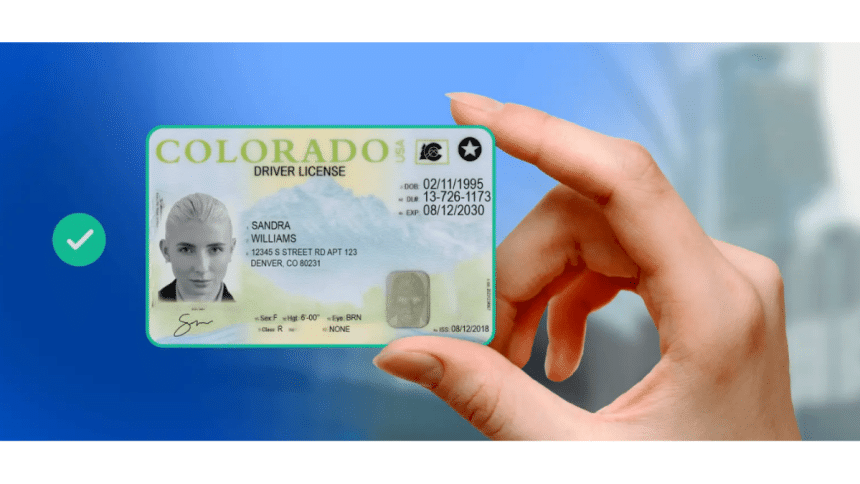
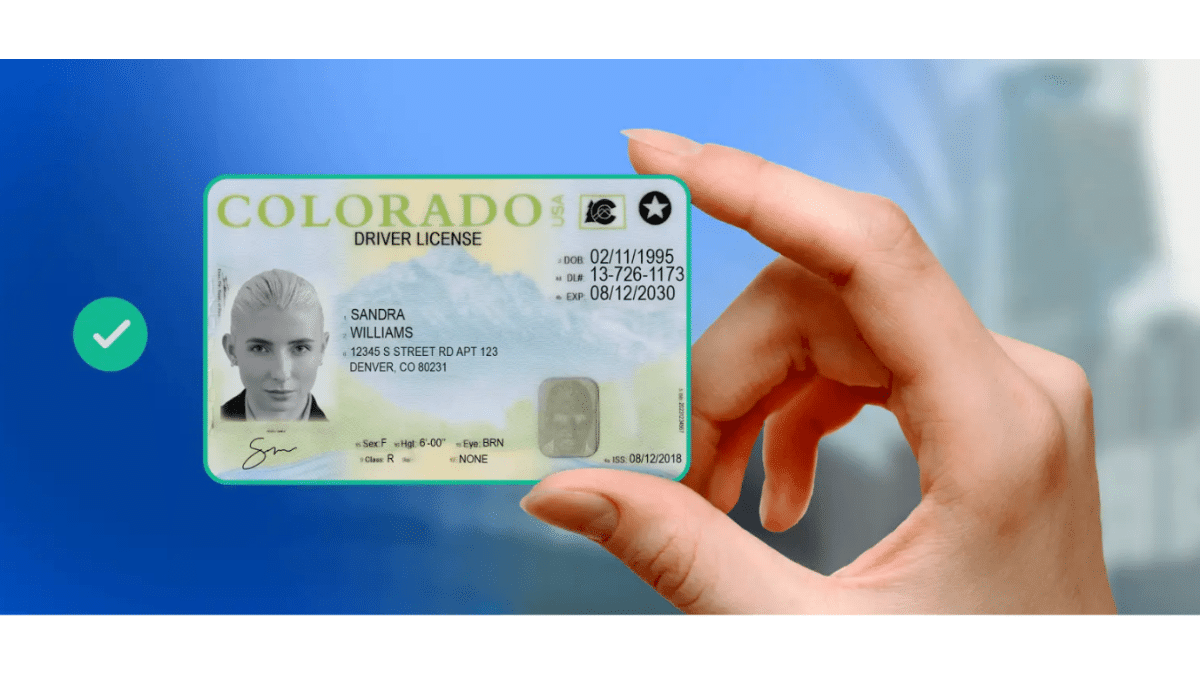
Beyond biometrics, verified ID platforms facilitate document verification by analyzing government-issued identification documents provided by users. Advanced algorithms compare holograms, security features, and document layouts against databases comprising known genuine documents –while assessing their authenticity accurately.
Enhanced Security Measures Enabled by Verified IDs:
1. Multi-Factor Authentication (MFA):
Verified ID platforms make MFA substantially more secure. Rather than relying solely on passwords or personal information, MFA involves multiple layers of verification. For example, a system might ask users to authenticate via their fingerprint, submit a one-time passcode sent to their mobile device, or answer a knowledge-based security question. Implementing MFA with verified IDs avoids many of the pitfalls of traditional methods.
2. Website Trustworthiness Assessment:
Verified ID systems enable organizations to establish trustworthiness for users and websites alike. By allowing users to verify their identity using trusted credentials before accessing a site or entering sensitive information, these systems instill confidence in both parties involved in the transaction.
The Benefits of Verified IDs for Different Stakeholders:
1. Users:
With verified IDs, individuals gain peace of mind knowing that their online transactions and personal data are significantly more secure. Users can conduct business with assured confidentiality and avoid potential financial and reputational losses resulting from identity theft.
2. Organizations:
For organizations handling sensitive customer data and conducting online transactions regularly, ensuring user authentication is vital. Verified IDs minimize the risk of unauthorized access or account takeovers, thereby protecting financial assets, maintaining regulatory compliance, and preserving customer trust.
3. Government Agencies:
Government agencies increasingly employ digital communication channels for citizen interaction. Whether it is tax filings or passport applications, verifying individuals’ identities online ensures the integrity of governmental services and prevents fraud effectively.
Conclusion:
In conclusion, verified IDs play an essential role in enhancing secure authentication processes in our online world. By incorporating biometric data and document verification technologies, these systems mitigate the vulnerabilities associated with traditional authentication methods such as password-based systems or knowledge-based questions. Their adoption not only protects individuals from identity theft but also aids organizations in safeguarding sensitive data and gaining user trust – all while ensuring government agencies can deliver efficient and reliable services. As we move forward into an increasingly digitized landscape, embracing verified IDs becomes ever more critical in our pursuit of secure authentication.