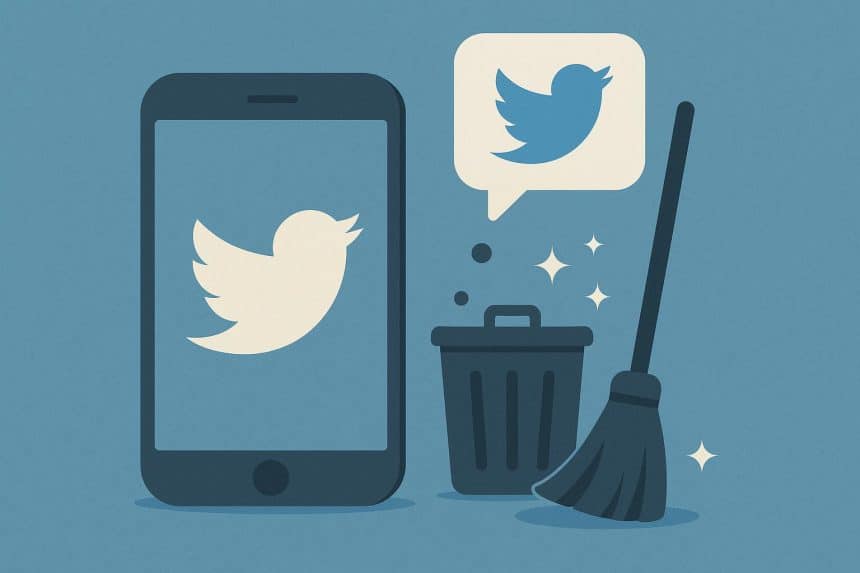
For years, Twitter was a running commentary on daily life – part diary, part debate club, part digital shouting match. Now, many longtime users are pausing, scrolling back, and quietly deleting their old posts. Not because they’re ashamed of what they wrote, but because something deeper is happening: digital self-care is becoming a real thing.
What used to be about unfollowing toxic accounts or limiting screen time has expanded into managing your own digital footprint. From casual users to creators and public figures, people are starting to ask: Do I really want that tweet from 2011 sticking around?
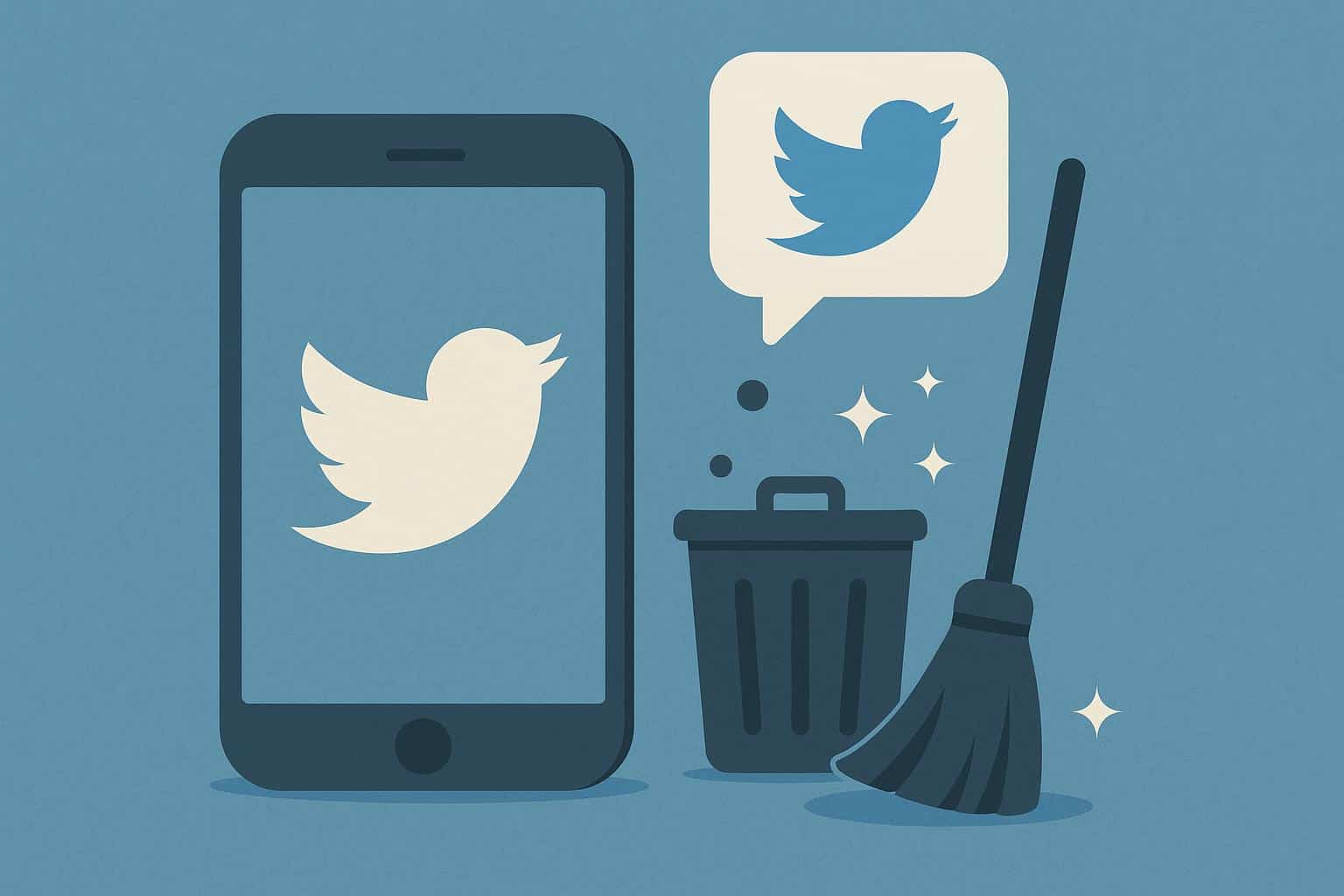
Tools for delete tweets help make that cleanup easier, but the shift goes far beyond technology. It’s cultural. It’s emotional. And for many, it’s surprisingly freeing.
1. People Are Tired of Carrying Their Entire Digital Past
There’s a certain weight that comes with thousands of public posts. Even if they weren’t problematic, they can feel… outdated. Cringe-inducing. Like looking at your high school yearbook photo, except it’s pinned to the front of your internet presence.
For some, it’s less about shame and more about exhaustion. The digital self from ten years ago doesn’t always match the person today. And unlike in real life, Twitter keeps every version on display unless you do something about it.
That’s why many users are clearing their timelines the way they clear their closets. Not out of guilt, but to make room for what fits now.
2. Public Perception Has Become Less Forgiving
A decade ago, most people assumed their tweets were seen in real time and quickly forgotten. Today, they know better.
Employers, journalists, exes, and even fans can and do scroll deep. They search by keyword. They screenshot. And while that tweet from 2014 might’ve been a joke back then, it might not land the same now.
Users have noticed the change. They’ve seen public figures lose deals, jobs, and credibility over resurfaced posts. And they’re making quiet moves to protect themselves.
But unlike reactive PR scrubs, this shift feels proactive. People aren’t waiting for drama. They’re deleting with intention, not panic.
3. Social Media No Longer Feels Like a Safe Archive
Twitter once felt like a place to share half-formed thoughts. That sense of freedom has faded. Now, even the most innocent tweets can be read in a completely different light years later.
Part of digital self-care is acknowledging that context gets lost. The joke made during a particular news cycle or in response to a now-defunct meme might not make sense anymore or worse, might be misread entirely.
Rather than trying to explain the nuance of every old post, users are choosing to remove them altogether. Not out of fear, but out of practicality. Silence, in some cases, is just simpler.
4. Clean Timelines Reflect Mental Clarity
There’s something psychological about seeing a trimmed-down, purposeful profile. Just like a decluttered room can calm the mind, a cleaned Twitter timeline can reduce digital noise.
It’s about how you feel navigating your own feed. Some users describe it as a reset. Others say it’s like taking their name off a wall of graffiti they no longer recognize.
Whatever the language, the feeling is consistent: less clutter = more clarity.
Interestingly, many report that they tweet less after cleaning up. Not because they’re afraid, but because they’re more intentional. Fewer hot takes. More thoughtful shares. That’s digital self-care in action.
5. Tools Have Made Cleanup Accessible and Normal
Ten years ago, if you wanted to delete your tweets, you had to do it manually. One by one. That barrier meant most people didn’t bother.
Now? Platforms like Tweet Delete have made the process quick, customizable, and, most importantly, private. You can delete tweets by age, keyword, or type. You can set rolling deletions (for example, remove everything older than six months). And you can back up your history before doing anything drastic.
As one user put it after clearing out 10,000 tweets: “I didn’t delete my past. I just stopped letting it talk over my present.”
6. Digital Minimalism Is Becoming a Lifestyle, Not a Trend
Social media is shifting. Younger users are posting less. Stories expire. Feeds are more curated. The endless archive approach feels outdated in a world that values privacy, presence, and pace.
Cleaning up Twitter isn’t about erasing personality. It’s about being deliberate. Like trimming a conversation so that the main point shines through.
Digital self-care doesn’t mean disappearing. It means taking control of tone, of visibility, and of legacy.
And for many users, that starts with a very basic act: deleting tweets that no longer reflect who they are.
What It All Means
Caring for your digital self isn’t about being perfect. It’s about being aware. Aware that growth happens. That tone changes. That timelines evolve.
More users are starting to see their Twitter history not as a record of truth, but as something they can edit, the same way they edit their bios, their goals, their beliefs.
And if that means a little deleting now and then? That’s not loss. That’s progress.