Golf carts are no longer limited to fairways and clubhouses. Today, they are widely used in gated communities, resorts, industrial parks, and large private properties. As their role expands, expectations change as well. Owners are no longer just asking whether a cart works—but whether it can perform reliably throughout a full day of real use.
This shift in usage is one of the key reasons lithium batteries are gaining traction in the golf cart market. As operating demands increase, many owners are rethinking traditional battery setups and exploring lithium-based alternatives that better match modern usage patterns.
The Shift Toward Lithium Golf Cart Batteries
In many environments, golf carts are now used continuously rather than occasionally. Community patrols, resort transport, and maintenance fleets often rely on carts for repeated trips across large areas. Under these conditions, battery limitations become apparent quickly.
Traditional lead-acid batteries remain common, but they tend to struggle with frequent cycling. Voltage drop, longer charging times, and routine maintenance can disrupt daily operations—especially when carts are expected to stay active for extended periods.
Lithium batteries entered the golf cart space as a response to these challenges. Instead of focusing on short-term affordability, more owners are prioritizing consistency, reduced downtime, and long-term reliability.
Common Golf Cart Battery Options Explained
Most golf carts today still operate on lead-acid battery systems, largely due to legacy design. For light or infrequent use, these systems may still be adequate. However, they are sensitive to deep discharge and gradual performance degradation over time.
Lithium battery systems for golf carts are designed differently. They deliver stable power output, recharge more efficiently, and tolerate frequent use with far less performance loss. As awareness grows and pricing becomes more competitive, lithium battery replacement for golf carts is increasingly viewed as a practical upgrade rather than a niche option.
What Is Vatrer Power?
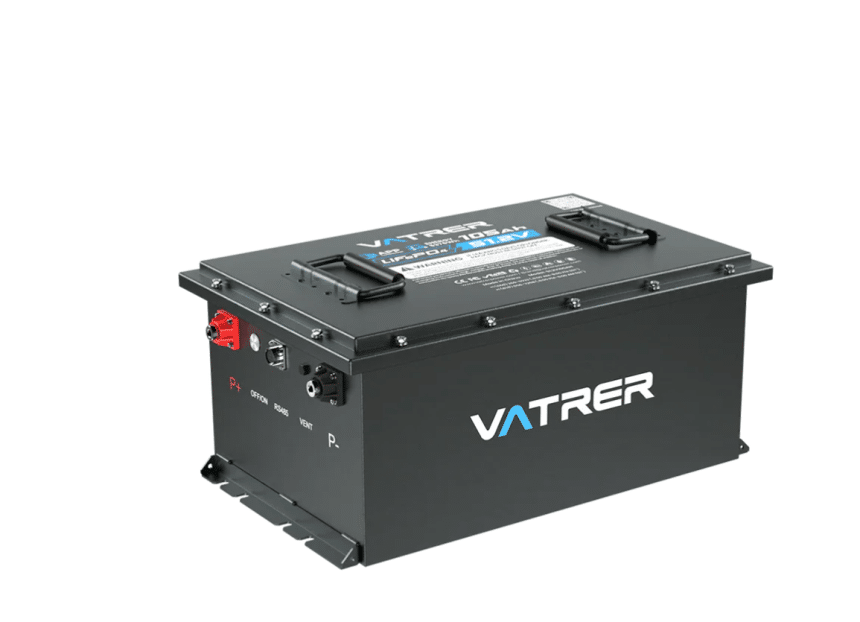
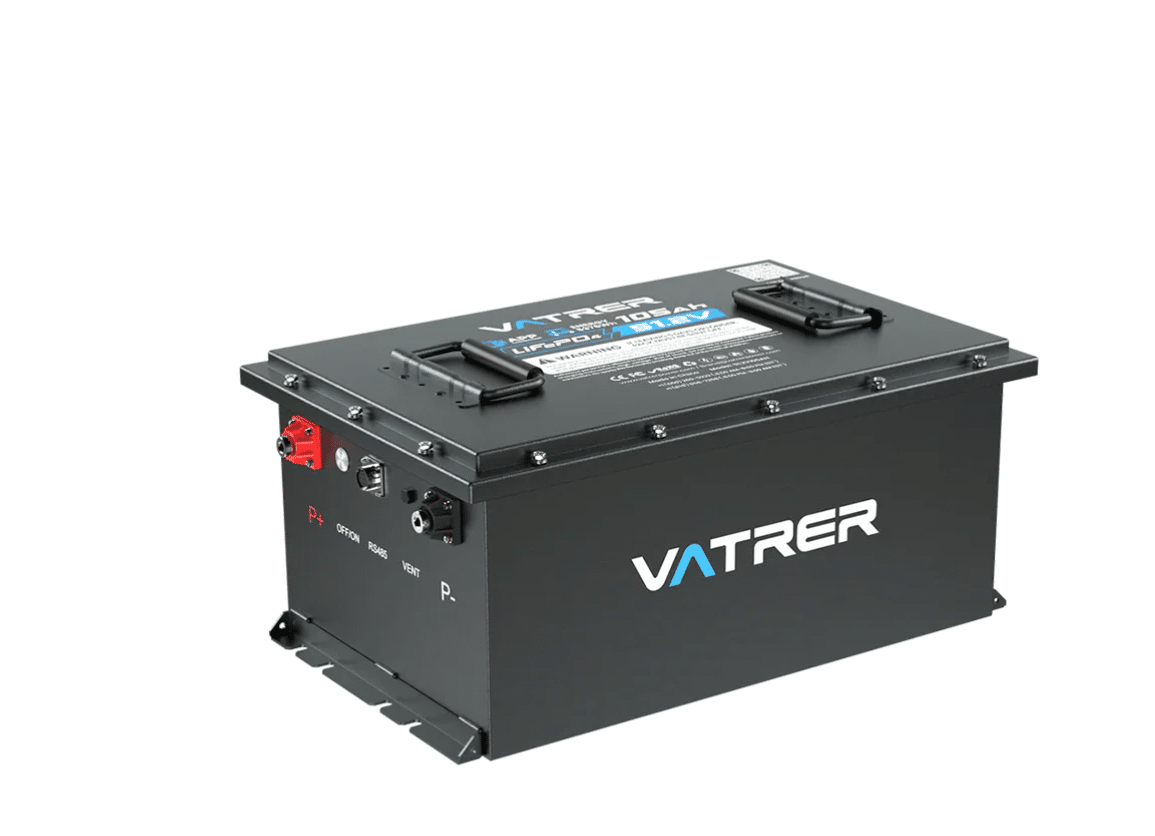
From an external perspective is commonly associated with lithium energy solutions rather than a single product category. The company develops lithium batteries for both energy storage and electric mobility, including systems designed specifically for golf cart applications.
What often stands out to users is not branding language, but system-level design—integrated battery management, safety protection, and compatibility with common cart platforms. Instead of promoting one-size-fits-all products, Vatrer appears to focus on matching battery configurations to real operating requirements.
Key Advantages of Lithium Battery Systems for Golf Carts
For many users, the benefits of switching to a lithium battery system for golf carts become most noticeable during everyday operation.
Weight reduction is often the first change owners notice. A lighter battery system can improve overall efficiency and handling, particularly on routes with frequent stops or uneven terrain.
Performance consistency is another important factor. Owners who operate carts throughout the day—such as in resorts or large residential communities—often note that power delivery feels the same late in the day as it does in the morning, without the gradual fade associated with older battery technologies.
Integrated battery management systems (BMS) add another layer of confidence. By monitoring charging, discharging, current, and temperature, these systems help prevent issues that typically shorten battery lifespan or lead to unexpected downtime.
Over time, longer cycle life also reshapes how owners think about cost. While lithium batteries require a higher upfront investment, fewer replacements and reduced maintenance often change the long-term calculation.
A Quick Look at Golf Cart Battery Specifications
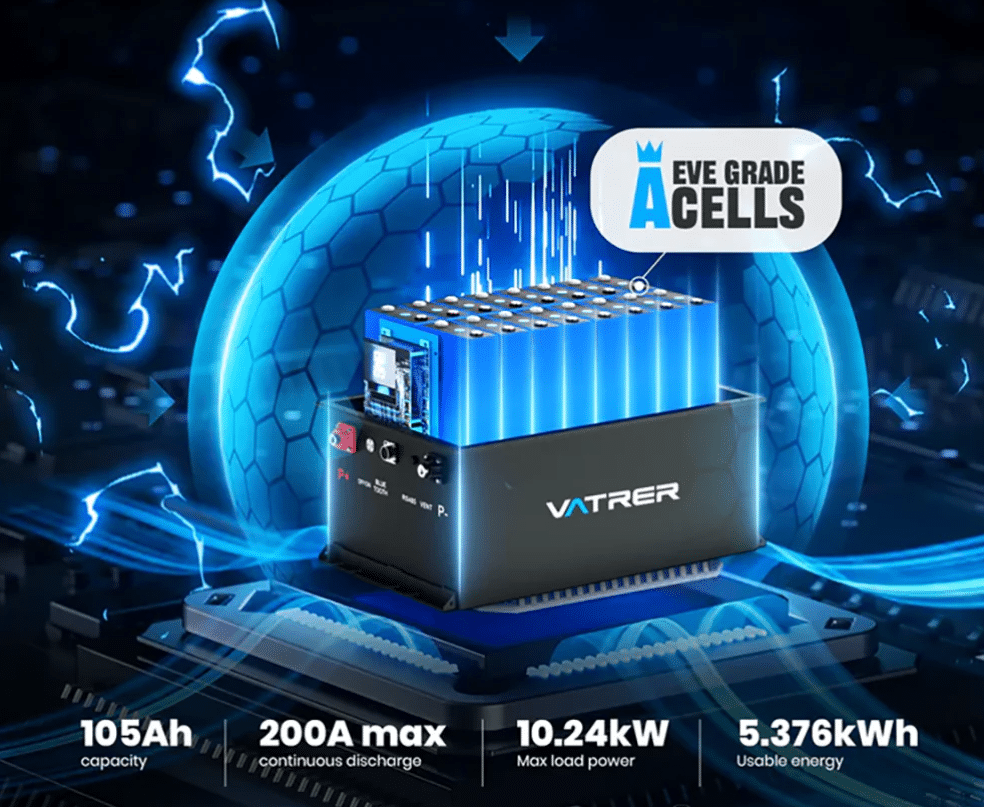
Vatrer lithium golf cart battery systems are offered in configurations that align with most standard golf cart platforms. Common voltage options include 36V, 48V and 72V systems, which cover the majority of modern golf cart applications.
Capacity options vary depending on how long a cart is expected to operate between charges, making them suitable for both residential and commercial use. Integrated BMS protection typically includes safeguards against overcharging, over-discharging, overcurrent, and short circuits.
Rather than emphasizing numbers alone, these specifications are designed to support compatibility and reliability across different golf cart models.
Ideal Applications and User Scenarios
Lithium upgrades tend to deliver the greatest value in environments where golf carts are used frequently throughout the day. Golf courses and private clubs benefit from consistent performance during peak hours. Resorts and large communities rely on predictable operation and minimal downtime for guest transportation.
Commercial operators, such as rental fleets and maintenance teams, often prioritize lithium battery systems for their reduced charging interruptions and simplified daily operations. Private owners, meanwhile, appreciate lower maintenance demands and long-term reliability.
Is Upgrading to a Lithium Golf Cart Battery Worth It?
The answer depends largely on usage patterns. For carts used only occasionally, traditional systems may still be sufficient. However, for frequent users or owners planning to keep their carts for several years, long-term considerations often outweigh short-term savings.
For those evaluating a lithium battery upgrade for golf carts, a Vatrer lithium golf cart battery is typically assessed based on total ownership cost, usage frequency, and reliability rather than upfront price alone.
Conclusion
The growing shift toward lithium golf cart batteries reflects how these vehicles are used today. Longer operating hours, higher performance expectations, and lower tolerance for downtime have reshaped owner priorities.
As lithium technology becomes more established in electric mobility, solutions from manufacturers like Vatrer Power illustrate how modern battery systems are adapting to real-world golf cart applications. For many owners, lithium is no longer just an alternative—it is becoming the new baseline.