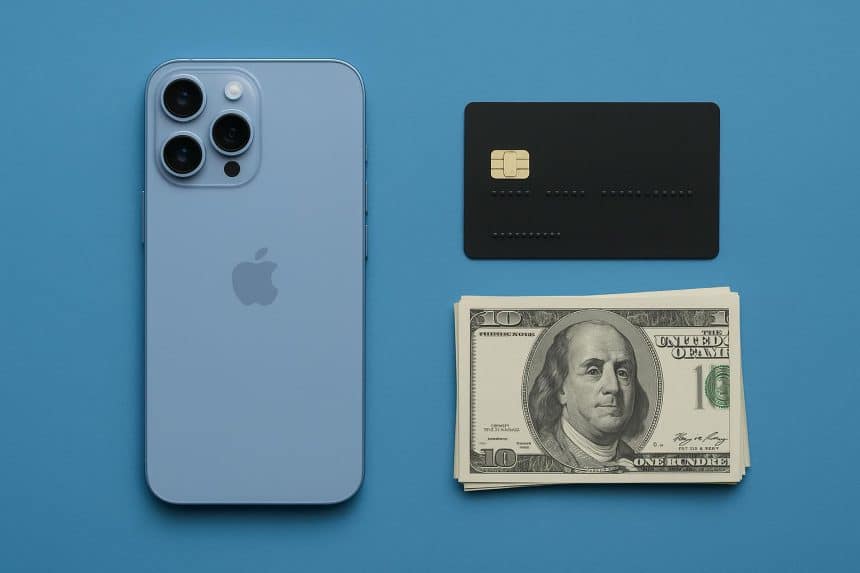
Many Apple customers are choosing to pay for their iPhones monthly rather than buying them at full retail. Premium devices are now more affordable with flexible payment plans that allow you to spread the cost over time. A combination of Apple financing, carrier financing, and trade-in programs that are more like subscriptions can eliminate the initial sticker shock. Here’s a close look at the main reasons why Apple device users prefer to pay monthly.
Benefits of Monthly Payments
There are various financial constraints that Apple users encounter in the acquisition of new iPhones:
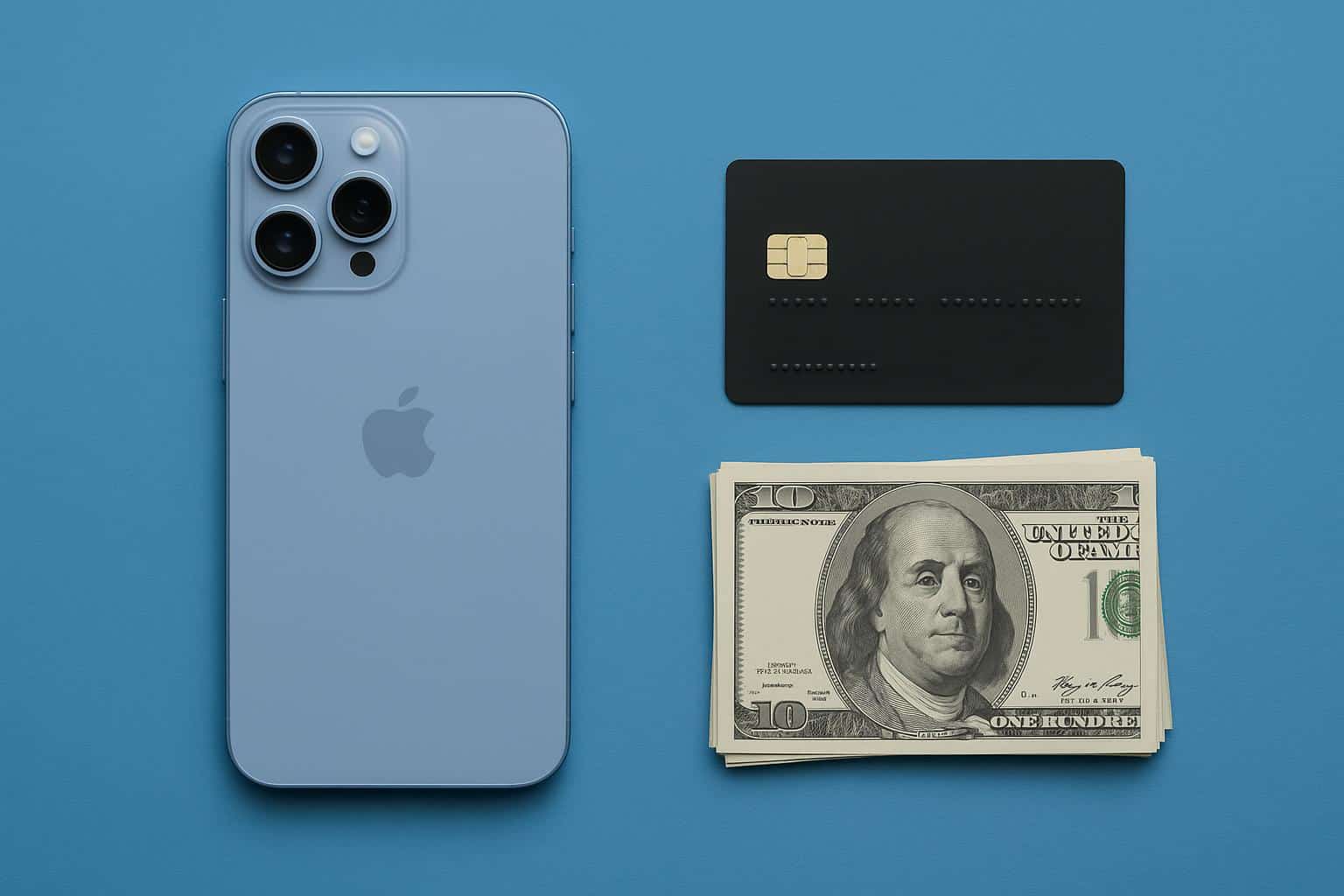
- Expensive initial costs: Flagship iPhones often cost more than $900–$1,300, and are a significant one-off purchase to most families.
- Regular model updates: Every year, a new generation is released, and many customers desire to have the latest cameras, longer battery life, and better performance without having to pay the retail price again.
- Fast depreciation iPhones have a short life; the higher the initial cost, the greater the expense of depreciation.
- Budget pressure: One big payment can either put pressure on savings or compel the buyers to take out a high-interest credit card.
Monthly payments can solve these problems by providing effective benefits:
- Lower entry barriers enable buyers to divide the cost into small installments rather than paying in one lump sum.
- The ability to predict the monthly amounts avoids unstable budgeting by exhausting emergency funds.
- Trade-in and upgrade programs lower the cost of changing models, which lowers the effects of depreciation.
- The promotional financing, such as credit cards or retail programs with 0% APR, may be less expensive than other modes of borrowing.
How Apple and Carrier Financing Work
Apple and other major carriers offer financing to help users pay the cost in installments and retain access to their devices. Apple’s financing programs usually have fixed-term installment payments at 0% APR, automatic payments associated with an Apple ID, and the ownership is clear after the last installment has been paid.
Carrier financing is also similar, but can include device payments and a wireless service plan. Carriers commonly offer promotional financing programs, trade-in bonuses, or bill-discount incentives to lower the monthly cost of the device. Such offers can make monthly payments more affordable, yet buyers must ensure they check the terms carefully. Carriers may have lock-ins to service plans, device unlocking schedules, fees for early payoff, and the existence of promotional credits in the event of a plan change.
Subscription and Trade-in Models
The concept of ownership of devices has evolved with subscription-based programs and built-in trade-in systems. These models are advantageous to users who buy new iPhones regularly but do not want to pay the full purchase price upfront.
The upgrade-style programs offered by Apple give customers the opportunity to make monthly payments, return their existing device after making the minimum payment, and upgrade to a new model. Such subscriptions usually have the AppleCare+, which bundles protection and access to the device in a single, predictable payment.
Trade-in programs factor in the value of an old iPhone when you purchase a new one. This reduces the device’s total cost and monthly payments, making the upgrade cost-effective. There are also lease-to-own arrangements that some carriers and retailers provide and in which a final payment is needed to retain the device.
Who Benefits Most
Monthly payment plans help those who want consistency in budgeting and prefer to align device expenses with monthly income, rather than accumulating high one-time costs. Here are several groups that typically benefit from monthly payment plans:
- Young professionals who have a stable income but limited liquid savings.
- Freelancers and gig-economy workers who prefer predictable expenses instead of irregular large purchases.
- Tech-focused users who want yearly upgrades without paying full retail each time.
- Buyers who value bundled services, such as AppleCare+ or carrier packages that combine data plans and device protection.
Alternative Approval Options
In case users fail to pass a standard credit check, there are still options that can be used to finance an iPhone. The most common options are to apply with a co-signer, use buy-now-pay-later (BNPL) services that base their decisions on short-term affordability instead of conventional credit scores, enter a lease-to-own contract, or select lenders that use alternative credit data like rental or utility payment history.
These alternatives may increase the chances of approval but may be more expensive or come with more rigid conditions. Check out this comprehensive cell phone financing guide for step-by-step guidance and examples of providers that explain how users with limited credit options can get approved. This way, you will better understand which option works best for you. Also, make sure to read product disclosures and financing terms carefully. Compare offers from different service providers and watch for extra fees.
Considerations Before You Commit
Think beyond the monthly payment. Key points to consider before settling on one option include:
- Total cost: calculate the total amount of payments and fees to compare with a one-time purchase.
- Status of ownership: verify whether you own the phone upon completion of the plan, or if you have to return it.
- Credit impact: learn how the lender reports payments and how missed payments will impact your score.
Final Thoughts
The monthly iPhone payments have become popular because of their lower entry barriers, service bundling, and flexibility to upgrade. They allow more people to enjoy high-quality devices without high upfront costs through Apple financing, carrier plans, and other programs, as long as buyers consider the cost, terms, and long-term ownership factors. Ask for a detailed repayment schedule before signing up, and compare the APR, fees, and upgrade terms with other options.