In the high-stakes world of SaaS, the “founder’s trap” is a well-known phenomenon: you spend 20% of your time building the future and 80% of your time fighting fires in the backend. As we navigate 2026, the gap between successful startups and those that stall is no longer just the product—it is the operational agility of the founder.
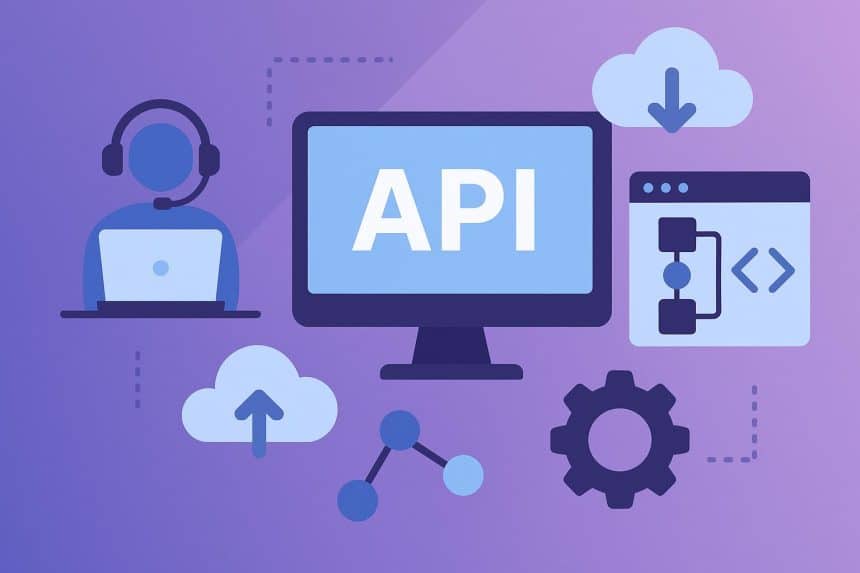
To scale, a SaaS founder doesn’t just need an administrative assistant; they need a Technical Virtual Assistant (VA) who speaks the language of APIs and low-code ecosystems. This shift represents a fundamental change in how startups operate, moving away from manual labor toward automated orchestration. Here is why this specific hire is the ultimate leverage for modern founders.
1. Moving Beyond Manual Workflows: The API Architect
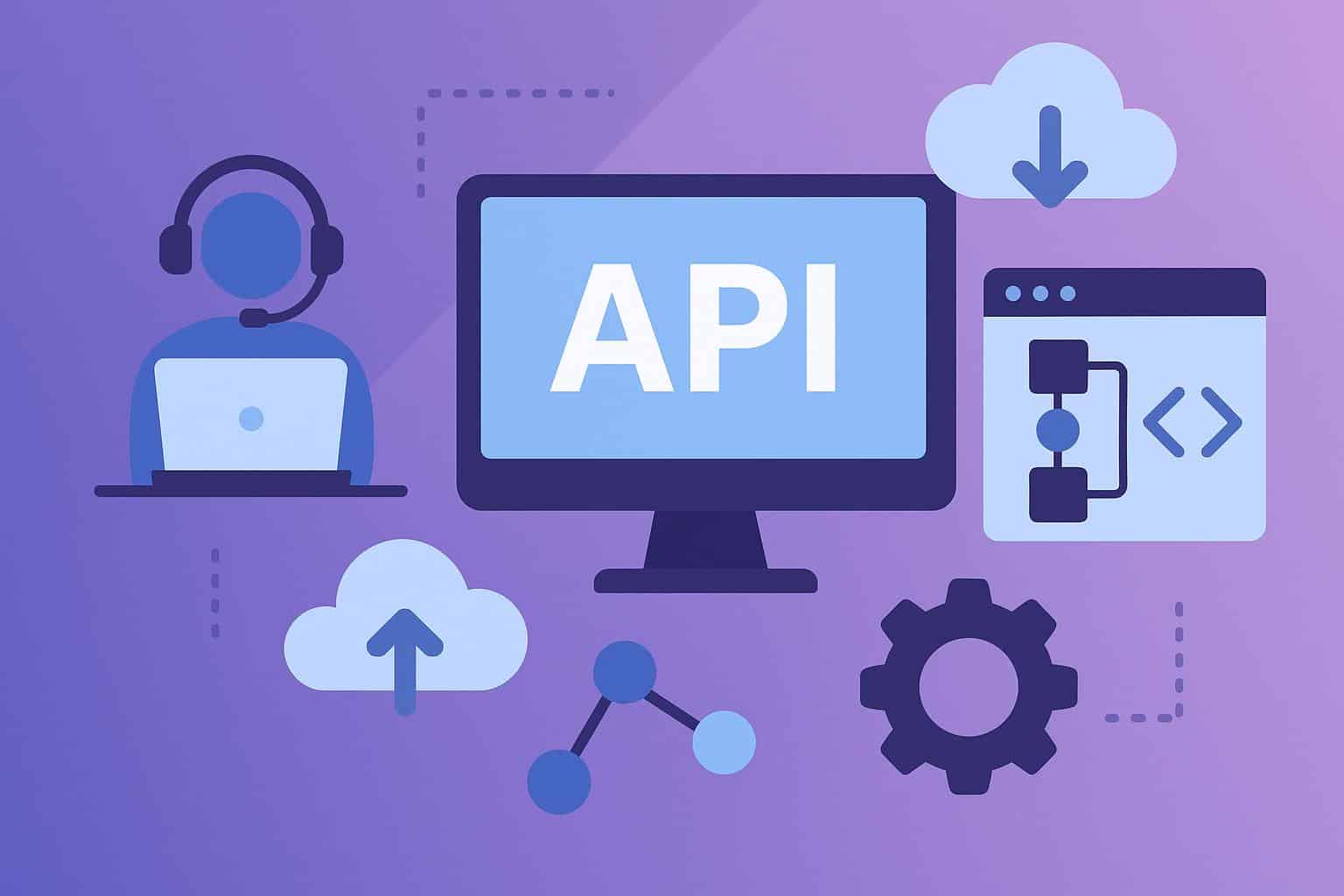
Traditional VAs are hired to handle calendars, travel bookings, and basic email filtering. While these tasks save time, they don’t solve the underlying structural inefficiencies of a growing SaaS company. A tech-savvy VA builds the digital bridges between your tech stack.
In a modern SaaS environment, you likely use a dozen different platforms: HubSpot for CRM, Stripe for payments, Intercom for support, and Slack for internal comms. If your CRM doesn’t talk to your billing platform, or your lead magnet isn’t automatically updating your email sequence, you are losing data and time.
A VA skilled in API integrations ensures that your “Best-of-Breed” software stack actually works as a single, unified organism. They don’t just enter data; they build the pipelines that move data automatically. They understand how to use Webhooks to trigger actions across platforms, ensuring that when a customer cancels in Stripe, their access is revoked in the app and a “win-back” email is triggered in Mailchimp—all without you lifting a finger.
2. The Power of “Low-Code” Leverage: The Internal Developer
In 2026, the cost of engineering talent is at an all-time high. You shouldn’t be bugging your expensive senior developers to build an internal dashboard or a simple customer onboarding flow. This is where the low-code VA shines.
By using tools like Zapier, Make, Airtable, or Retool, a technical VA can act as a “junior dev” for your operations. They can:
- Prototype Internal Tools: Need a way for your sales team to quickly check a user’s subscription status without giving them database access? A technical VA can build a custom CRUD (Create, Read, Update, Delete) app in Retool or Glide in a single afternoon.
- Automate Reporting: Instead of manually exporting CSVs, they can link Stripe, Google Analytics, and Slack to provide you with daily automated KPI digests.
- Ship Features Faster: They handle the “connective tissue” of your app—such as connecting your sign-up form to your CRM via webhooks—so your core developers can focus exclusively on your product’s intellectual property.
3. Scaling “Human-in-the-Loop” Automation
Total automation is a myth, especially in the nuanced world of B2B SaaS. Most processes require a “human in the loop”—someone to verify a high-value lead, moderate a community, or troubleshoot a failed API call.
A VA who understands the logic of your integrations can identify why a workflow broke. Instead of a “Zapier Error” email going to your inbox and causing panic, your VA sees the notification, realizes it was a temporary timeout or a mapping error, and fixes it without escalating it to the CTO. This creates a resilient operations layer that scales without adding to your developer’s ticket backlog.
4. Enhancing the Customer Experience (CX)
In the SaaS world, customer experience is the new marketing. If a customer has to wait 24 hours for a manual onboarding step, they are already looking at your competitor. A Technical VA can build automated onboarding sequences that feel personal but run on logic. They can set up triggers that notify your success team when a user hasn’t logged in for three days, or automatically generate custom “Year in Review” reports for your enterprise clients using data pulled via API. This level of sophistication used to require a dedicated CX team; now, it requires one smart VA with the right tools.
Why Every SaaS Founder is Turning to Ossisto
Finding a VA who is both reliable and technically proficient is a massive challenge. You can find “data entry” specialists easily, but finding someone who understands JSON, API documentation, and conditional logic is like finding a needle in a haystack.
Ossisto has bridged this gap by specializing in Technical Virtual Assistance tailored specifically for the startup ecosystem. We don’t just provide “help”; we provide technical partnership.
The Ossisto Advantage for SaaS Founders:
- Vetted Technical Expertise: Ossisto doesn’t just provide generalists. Our VAs are trained in modern software management, CRM architecture, and integration logic. Whether it’s setting up complex “paths” in Zapier or managing a HubSpot-to-Salesforce sync, they have the technical chops to handle it.
- Cost-Effective Innovation: Why hire a full-time operations manager or a junior dev at $100k+ when you can access the same technical capability through Ossisto’s flexible, scalable plans? It allows you to keep your “burn rate” low while keeping your “build rate” high—a critical balance for bootstrapped or VC-backed startups alike.
- 24/7 Global Agility: SaaS is a global, “always-on” business. Ossisto provides support across time zones, ensuring that your API monitors, server alerts, and customer success workflows are managed while you sleep. If an integration breaks at 3:00 AM your time, an Ossisto VA is there to catch it.
- Security-First Culture: For SaaS founders, data security is non-negotiable. Ossisto employs rigorous security protocols and NDAs, ensuring that your API keys, backend credentials, and sensitive customer data stay protected. We treat your data with the same level of care as your own engineering team.
- A Partner in Growth: Beyond just “doing tasks,” Ossisto VAs act as thought partners. Because they work with multiple tech companies, they often suggest better tools, more efficient workflows, and new ways to utilize low-code to outpace your competition.
The 2026 Competitive Edge
As we look toward the future of the SaaS industry, the “Solopreneur” or “Micro-SaaS” model is becoming increasingly viable—but only for those who embrace automation. A founder with a Technical Virtual Assistant from Ossisto is essentially a founder with a 10-person operations team.
You can launch new experiments faster. You can manage a larger customer base with fewer errors. You can pivot your strategy without needing to rewrite thousands of lines of code, because your “connective tissue” is built on flexible, low-code platforms managed by your VA.
Conclusion: Reclaim Your Genius Zone
The role of a SaaS founder is to innovate, lead, and sell. Every hour you spend debugging a Zap, manually exporting CSV files, or trying to figure out why a lead didn’t sync is an hour stolen from your product’s future.
By hiring a VA who understands the interconnected nature of the 2026 digital landscape, you aren’t just buying back your time—you are building a scalable machine. You are moving from being the “operator” of your business to the “architect” of your success.