
Event organizers invest significant resources into creating memorable experiences. Without precise attendance data, they’re essentially flying blind. Accurate tracking reveals which sessions resonate with audiences and which fall flat. It helps identify bottlenecks before they become problems.
Financial considerations also come into play. Sponsors want proof of foot traffic. Venues charge based on actual attendance. Insurance requirements often mandate precise headcounts. Beyond these practical concerns, attendance data directly impacts an event’s credibility and ability to attract future participants.
The Cost of Poor Tracking
Consider what happens when tracking fails. Sessions reach capacity, but organizers don’t know until frustrated attendees are turned away. CEU credits get disputed because the records are incomplete. Post-event reports lack the metrics needed to secure next year’s budget. These aren’t hypothetical scenarios; they happen at events that rely on outdated tracking methods.
Modern Tracking Methods
QR Code Technology
QR codes have become the backbone of modern attendance tracking. Attendees scan their unique codes at session entrances, creating instant digital records. This method eliminates manual data entry errors and provides real-time visibility into attendance patterns. The technology works equally well for in-person and hybrid events.
Mobile Check-In Systems
Self-service kiosks empower attendees to check themselves in. This reduces staffing requirements and moves people through entry points faster. The system captures timestamps automatically, creating an audit trail that satisfies compliance requirements for continuing education credits.
RFID and Beacon Technology
Radio-frequency identification takes passive tracking to another level. Attendees simply wear RFID-enabled badges, and the system logs their presence automatically. Beacon technology offers similar benefits, using Bluetooth to detect when attendees enter designated zones. These methods work best for large venues where manual scanning would create congestion.
Integration with Event Management Platforms
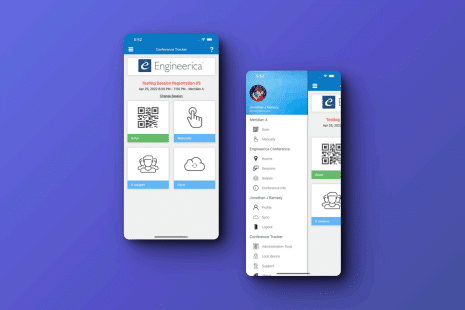
Standalone tracking tools create data silos. Smart organizers choose platforms that integrate attendance tracking with broader event management functions. An event attendance tracking app like Conference Tracker consolidates registration, scheduling, and analytics into a unified system. This approach eliminates redundant data entry and ensures consistency across all event touchpoints.
Conference Tracker stands out by offering real-time attendance monitoring alongside features like gamification, CEU credit management, and virtual session integration. The platform handles everything from badge printing to post-event analytics, making it ideal for organizers managing hybrid or multi-track conferences. Its drag-and-drop scheduling interface adapts quickly when last-minute changes occur, while automated alerts notify staff when sessions approach capacity.
Capturing Meaningful Data
Raw attendance numbers tell only part of the story. Duration tracking reveals whether attendees stayed for the entire session or left early. Entry and exit timestamps show traffic patterns throughout the venue. This granular data helps organizers optimize scheduling and identify sessions that truly engage audiences.
Engagement Metrics Beyond Headcount
Session popularity rankings emerge from comparing attendance across similar time slots. Social feed activity shows which topics generate buzz. Survey responses linked to attendance records create a complete picture of event success. These metrics transform attendance tracking from a compliance exercise into a strategic tool.
Handling Multiple Session Types
Virtual sessions demand different tracking approaches than in-person gatherings. Webinar platforms automatically capture login times and viewing duration. Hybrid events require coordination between physical check-ins and digital presence logs. The tracking system must reconcile these different data streams into coherent reports.
Privacy and Compliance Considerations
Attendance tracking involves collecting personal data. Regulations like GDPR require clear disclosure of what data gets collected and how it will be used. Attendees deserve to know whether their movements throughout the venue are being monitored. Transparent data practices build trust and reduce legal exposure.
Security measures protect sensitive information. Encrypted databases prevent unauthorized access. Role-based permissions ensure that staff see only data relevant to their responsibilities. Regular audits verify that systems comply with industry standards and contractual obligations.
Generating Actionable Reports
Attendance data becomes valuable when transformed into insights. Comparative reports show which sessions outperformed expectations. Historical trend analysis reveals patterns across multiple events. Financial dashboards connect attendance figures to revenue streams, demonstrating ROI to stakeholders.
Automated report generation saves hours of manual work. Customizable templates let organizers highlight metrics that matter most to their specific audiences. Visual presentations make complex data accessible to non-technical team members.
Conclusion
Effective attendance tracking serves multiple masters. It satisfies compliance requirements while generating insights that improve future events. The technology has matured beyond simple headcounts to encompass engagement metrics, real-time alerts, and predictive analytics.
Organizations that invest in robust tracking systems gain competitive advantages through better planning, enhanced attendee experiences, and data-driven decision-making. The question isn’t whether to track attendance, but how sophisticated that tracking should be.