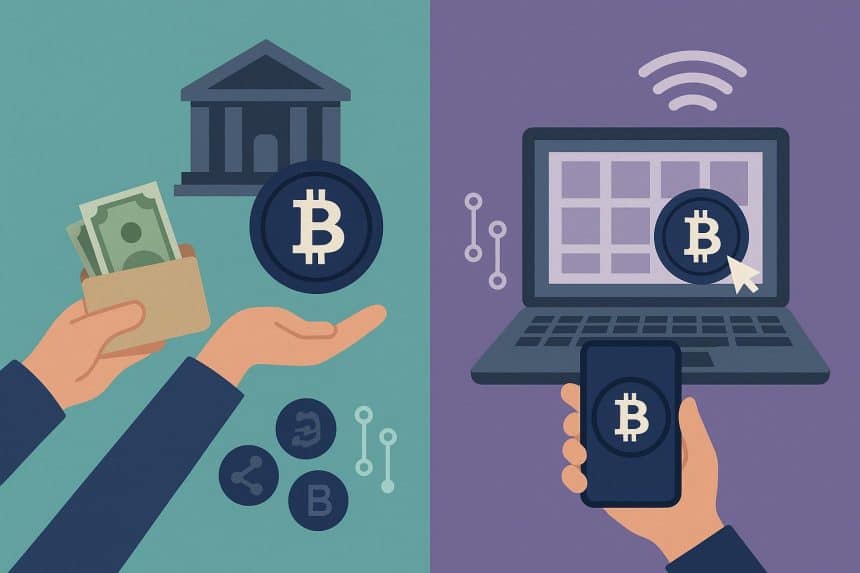
The world is becoming increasingly digital, which can bring new levels of convenience, but can also often be confusing and daunting. One of the most notable examples of this is buying cryptocurrency and how this can be done. In the US, it is possible to buy digital assets both in person at a kiosk and online, but it is important to be aware of the main differences so that you can work out which method is best for you. Keep reading to find out more.
Speed & Access vs Account Onboarding
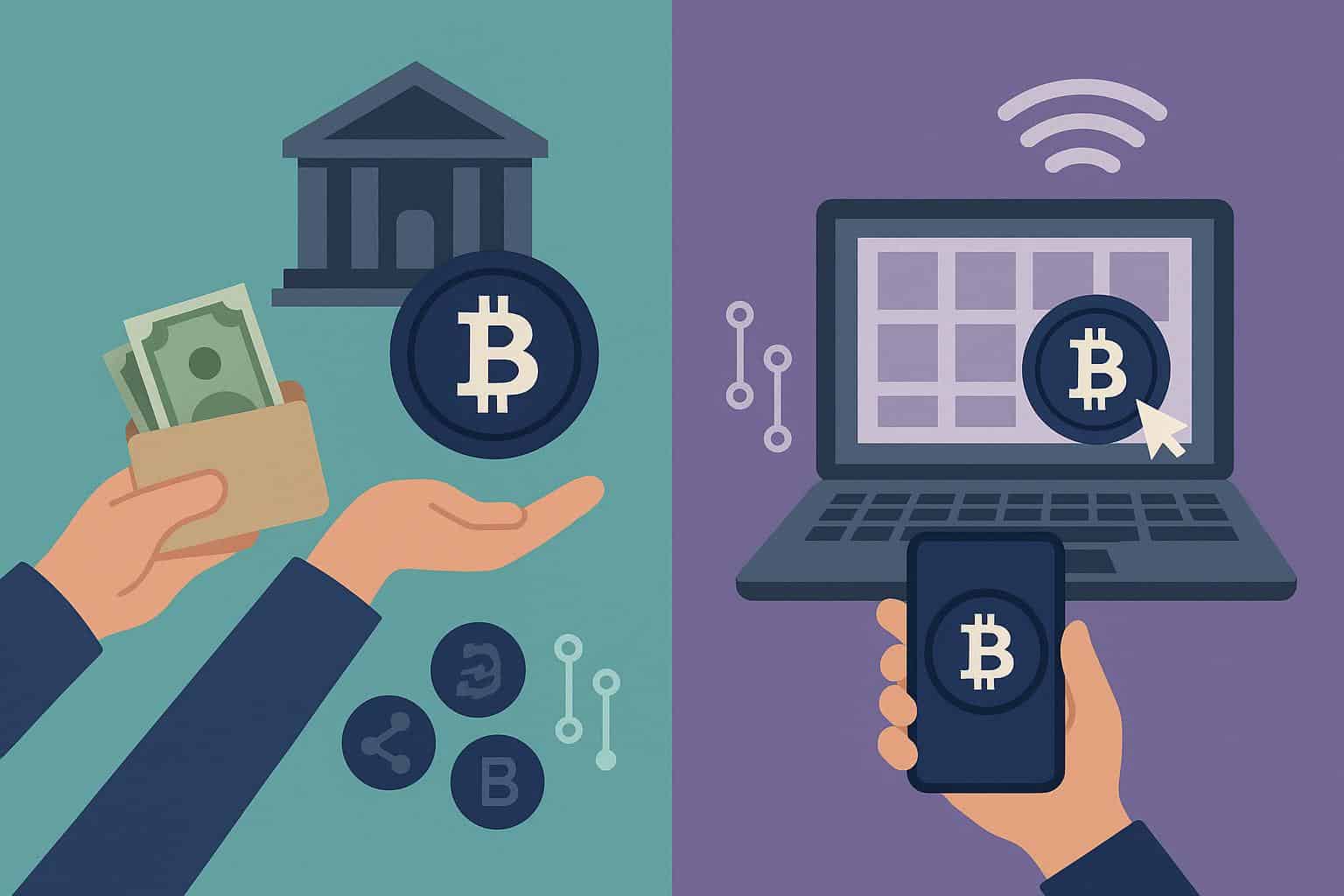
When you purchase cryptocurrency in person from a kiosk, you benefit from an immediate transaction. You simply follow the onscreen instructions, and the transaction will be completed in a matter of minutes. While online exchanges allow you the convenience of buying crypto online, you will find that the process can be lengthy when you factor in account onboarding, identity verification, and linking a bank account – transactions can also take a few days to settle. If you are looking for speed, kiosks are the way to go.
Payments & Limits
You can usually pay with cash or a debit card when buying from a kiosk, but there are limits, and these can vary by operator and state regulations – this is why it is always wise to look up a crypto ATM before leaving the house, paying close attention to the caps and ID checks. Online exchanges allow numerous payment methods, and limits often increase over time as you use your account more.
Privacy, Verification, & Receipts
In terms of privacy, kiosks tend to allow small purchases with minimal verification, but larger purchases will trigger KYC (Know Your Customer) steps, including phone number, ID scan, etc. As above, these can vary by state and federal regulations. Exchanges, meanwhile, normally require full KYC for transactions. Be sure to keep receipts, confirmations screens, and SMS records for all transactions.
Supported Assets & Fees
Kiosks are normally limited to the stablecoins, such as Bitcoin, Ethereum, and others, while exchanges have a much wider selection to choose from. Fees are usually shown as a spread or percentage at kiosks, while exchanges often have lower fees, but withdrawal or network costs may be added later.
Safety & Scam-Resistance
Safety is paramount, no matter what method you choose. Cybercrime is a growing threat, so you should only ever send crypto to your own wallet and be wary of third-party QR codes – “quishing” is a type of fraud that is becoming more prevalent.
Hopefully, the information in this post will give you a strong understanding of the difference between in-person crypto purchases and purchases made on an exchange. There are benefits and considerations for both methods, so you need to weigh these up and consider what the best option is for your specific needs and preferences.