
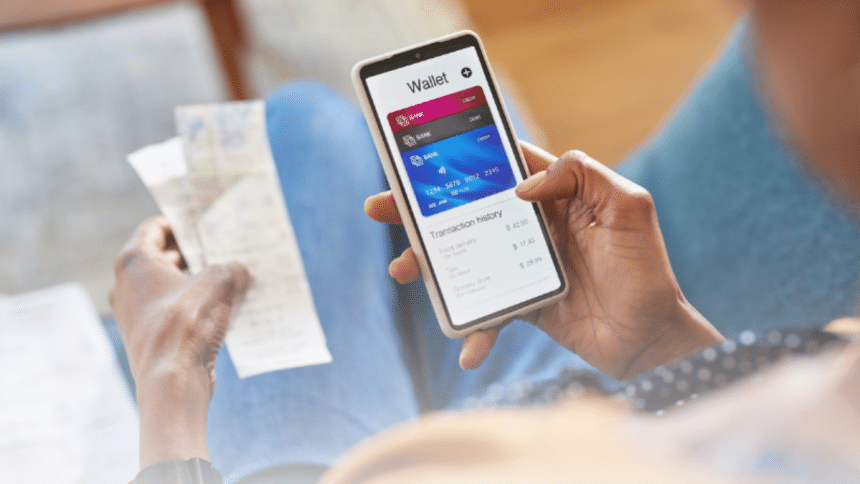
As operations with crypto assets become more commonplace in personal and business operations, consumers increasingly expect businesses to offer seamless and secure crypto and wallet functionality.
However, for many, building a secure digital wallet system from scratch can be a significant challenge, especially for businesses looking to build their platform around crypto services. That’s where Wallet-as-a-Service (WaaS) comes in.
What is a Digital Wallet?
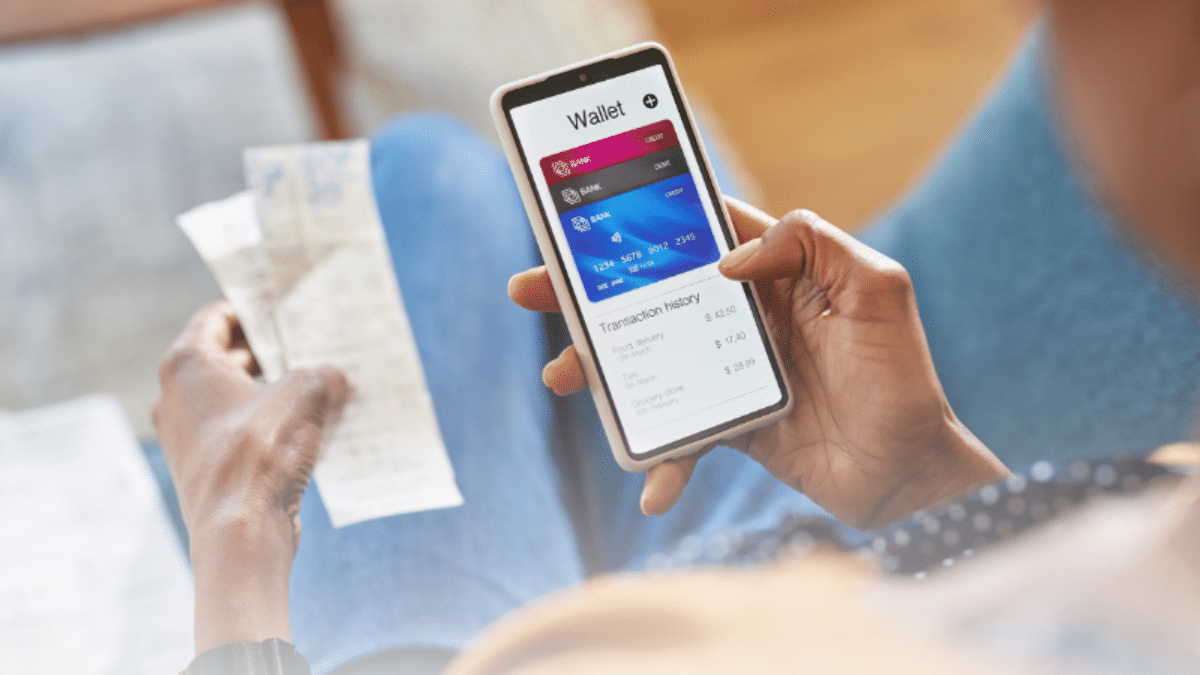
To begin with, let’s define a digital wallet. A digital wallet is software that stores your private and public keys, enabling you to interact with various blockchain networks. Essentially, it allows you to send, receive, and store digital assets like Bitcoin.
There are different types of digital wallets, each offering varying levels of usage simplicity and protection:
- Hot wallets are web-based, making them easy to use for everyday transactions but slightly more susceptible to hacking.
- Cold wallets are stored offline, offering more security but less convenience, and are often used for long-term storage of assets.
- Additionally, wallets can be custodial, meaning a third party controls your keys, or non-custodial, where you have full control of your assets.
What is Wallet-as-a-Service (WaaS)?
Now, let’s dive into Wallet-as-a-Service (WaaS). WaaS is a cloud-based or API-driven solution that allows businesses to integrate cryptocurrency wallet functionality into their platforms—without the need to build the underlying infrastructure themselves.
Imagine you’re a business owner who wants to allow customers to store digital assets like cryptocurrencies, NFTs, or even digital loyalty points. With WaaS, you don’t need to be a blockchain expert or hire a team of developers to create a wallet system from the ground up. Instead, you can leverage a service provider offering a complete infrastructure ready for seamless integration into your platform.
Here are some great features of WaaS:
- Plug-and-play wallet infrastructure: WaaS lets you set up wallets in no time, so you don’t have to worry about building or managing them yourself.
- Blockchain compatibility: Most WaaS solutions work with various blockchains and tokens, giving your customers plenty of options.
- Customization: Many providers allow you to tailor the wallet’s look and feel to fit your brand.
The benefits of using WaaS are clear: it’s a cost-effective and scalable solution, whether you’re a small startup or an established enterprise looking to adopt cryptocurrency.
Why is WaaS Important for Businesses?
For businesses, handling digital assets can be tricky—especially when it comes to ensuring security, compliance, and a seamless user experience. Wallet-as-a-Service takes the technical load off your shoulders, allowing you to focus on growing your company instead of worrying about infrastructure.
Here are a few reasons WaaS is a game-changer for businesses:
- Simplified digital asset management: WaaS helps you create and manage your own wallet systems. Partnering with an established provider saves you time, money, and effort.
- Enhancing customer experience: With WaaS, you can offer your customers a safe and user-friendly wallet for storing crypto, NFTs, and loyalty tokens.
- Security and compliance: Trusted WaaS providers follow strict security standards, including encryption and multi-factor authentication (2FA), while also meeting regulatory requirements. This cuts down on the risks of handling digital assets.
- Reducing liability: Using a WaaS provider effectively outsources the risks associated with storing and managing cryptocurrencies, letting you concentrate on your core services.
What Types of Businesses Can Leverage Wallet-as-a-Service?
WaaS isn’t just a back-end service; it opens the door to new business models and customer experiences. Let’s take a look at a few real-world use cases of Wallet-as-a-Service:
- E-commerce: Online retailers can integrate a digital wallet that allows customers to pay with cryptocurrencies or store digital loyalty points—all through a built-in wallet on the store’s platform.
- Fintech: Financial technology companies can implement digital wallet capabilities, assisting users to store and manage multiple types of digital currencies. With WaaS, fintech companies can offer a more comprehensive set of financial services.
- Crypto Exchanges: A cryptocurrency exchange can leverage WaaS to handle a high volume of transactions effectively.
- Gaming and NFTs: WaaS is a perfect fit for gaming platforms or NFT marketplaces. Gamers can use in-game tokens, while NFT collectors can securely store and trade their digital art or assets.
How to Choose the Right WaaS Provider?
With so many WaaS options available, how do you pick the right one? Here are a few things to consider:
- Ease of integration: A smooth API integration process is key to getting your wallet system up and running quickly.
- Blockchain compatibility: Ensure that the WaaS provider supports the cryptocurrencies and blockchains your business or users need.
- Security: Look for providers offering robust security measures like 2FA and advanced key management.
- Customization: Choose a provider that allows you to customize the wallet’s features to align with your needs.
- Pricing: Compare the pricing models of different providers. Some may charge per transaction, while others offer subscription plans or one-time fees.
Conclusion
WaaS could be a smart way for your business to step into the cryptocurrency world at a low risk, ensuring your customers enjoy a high-quality, secure wallet experience.