
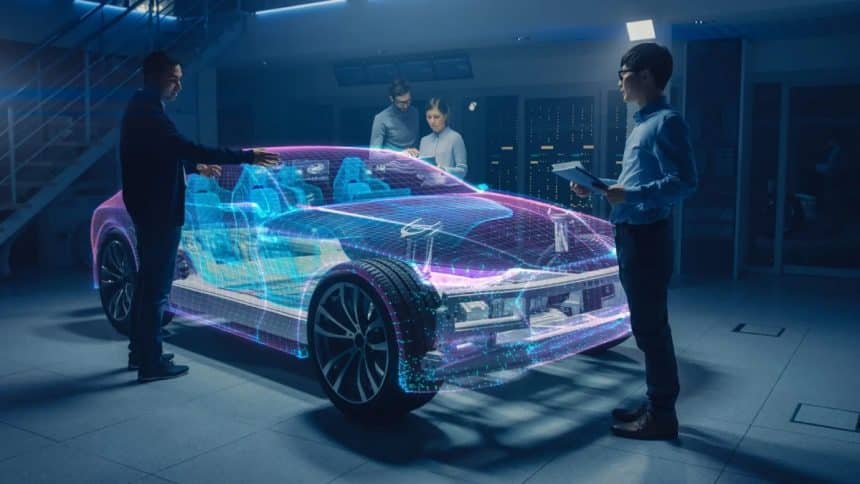
In the not-so-distant past, purchasing a vehicle meant visiting multiple dealerships, navigating through a sea of cars, and spending countless hours haggling over prices. But with the rise of virtual reality (VR) technology, the automotive industry is experiencing a seismic shift, redefining how consumers shop for cars. Welcome to the future—where auto enthusiasts, tech-savvy consumers, and business owners can explore a car’s features without leaving their couches. This blog post will take you on a thrilling ride through the world of virtual reality showrooms, highlighting their benefits, impact, and the emerging trends reshaping the auto sector. Buckle up!
Benefits of Virtual Showrooms for Consumers
Convenience at Your Fingertips
Imagine exploring an entire dealership from the comfort of your living room. Virtual showrooms offer unparalleled convenience, allowing you to browse various vehicles without battling traffic or weather conditions. No more coordinating with salespeople or feeling pressured in a crowded lot. With just a few clicks, you can explore every nook and cranny of your dream car.
Ensuring Safety First
Safety is a paramount concern for modern consumers. Virtual reality showrooms eliminate the need for physical interactions, making the car-buying process safer—particularly in an age where health concerns are at the forefront. Enjoy peace of mind as you tour cars in a sanitized, virtual environment, minimizing contact and enhancing your safety.
Enhanced Decision-Making
Gone are the days of relying solely on glossy brochures and sales pitches. Virtual showrooms empower you with detailed, interactive insights into every feature of a vehicle. From engine specs to interior amenities, you can make informed decisions based on firsthand experience without stepping foot in a dealership. This transparency fosters confidence and satisfaction in your purchase.
The Impact of Virtual Showrooms on the Automotive Industry
Revolutionizing Sales and Marketing Strategies
Virtual reality showrooms are not just a fancy gimmick; they are a game-changer in how automakers approach sales and marketing. By integrating VR technology, manufacturers can offer personalized experiences, showcasing their vehicles’ unique features directly to consumers. This targeted approach increases engagement and conversion rates, ultimately driving sales.
Fostering Customer Engagement
Engagement is key in today’s competitive market. Virtual showrooms create an immersive experience that captivates potential buyers, allowing them to visualize themselves behind the wheel. This emotional connection enhances brand loyalty and customer satisfaction, setting the stage for long-lasting relationships between consumers and manufacturers.
Driving Innovation in Car Design
Virtual reality technology isn’t just limited to showcasing cars; it’s also revolutionizing how vehicles are designed. Automakers can use virtual reality to simulate and test new models, ensuring every detail is perfect before bringing a car to market. This not only accelerates the production process but also results in higher-quality vehicles that align with consumer preferences.
Case Studies of Successful Virtual Showroom Implementations
Tesla’s Innovative Approach
Tesla, a pioneer in the automotive industry, has embraced virtual reality to provide potential buyers with an unparalleled experience. Through their virtual showrooms, customers can explore Tesla’s cutting-edge features, including autopilot capabilities and unique interior designs. This innovative approach has contributed to Tesla’s reputation as a forward-thinking brand.
BMW’s Virtual Reality Experience
BMW has taken customer engagement to the next level with its virtual reality showrooms. By offering immersive tours of their luxury vehicles, BMW enables customers to customize their cars in real-time, selecting everything from paint colors to interior finishes. This personalized experience has driven significant interest and increased conversions across global markets.
Audi’s Interactive Showroom
Audi has seamlessly integrated virtual reality into its sales strategy, allowing consumers to explore every detail of their vehicles. With virtual showrooms, Audi provides a comprehensive view of their cars’ features, from infotainment systems to safety technologies. This approach has enhanced customer satisfaction and positioned Audi as a leader in automotive innovation.
The Future of VR Technology in the Industry
Expanding Beyond Showrooms
The potential of virtual reality in the automotive industry extends far beyond showrooms. Automakers are exploring opportunities to incorporate VR into the entire customer journey, from virtual test drives to interactive maintenance guides. The future holds exciting possibilities for enhancing the ownership experience through technology.
Overcoming Challenges
While the benefits of virtual reality showrooms are significant, challenges remain. Ensuring widespread access to VR technology, addressing technical glitches, and overcoming initial costs are hurdles that the industry must address. However, with continued advancements, these challenges are likely to be mitigated, paving the way for broader adoption.
A Glimpse into Tomorrow
As virtual reality technology evolves, its integration into the automotive industry is set to become more seamless and sophisticated. Imagine a world where consumers can attend virtual car launches, explore digital showrooms with friends, and receive personalized recommendations based on preferences. The future is bright, and virtual reality is at the forefront of this transformation.
How Businesses and Consumers Can Access Virtual Showrooms
Simple Steps for Businesses
For businesses looking to leverage virtual reality showrooms, the process is straightforward. Partnering with technology providers specializing in VR solutions can streamline implementation and ensure a seamless experience for consumers. By integrating VR into sales strategies, businesses can differentiate themselves from competitors and attract tech-savvy customers.
Exploring Virtual Showrooms as a Consumer
If you’re a consumer eager to explore virtual showrooms, getting started is easier than you might think. Many automakers offer dedicated apps or online platforms that allow you to browse their virtual offerings. Simply download the app, put on a VR headset, and get ready to experience the future of car shopping.
Building a Community Around VR Showrooms
Virtual showrooms offer more than just a transactional experience; they provide a platform for building a community of like-minded enthusiasts. Engage with fellow consumers, share insights, and participate in virtual events hosted by automakers. This sense of community enhances the value of virtual reality showrooms and fosters a deeper connection to the brand.
Conclusion
Virtual reality showrooms are more than a passing trend; they are a fundamental shift in how we perceive and engage with the automotive industry. By providing convenience, safety, and enhanced decision-making capabilities, VR technology is redefining the car-buying process. As automakers continue to innovate and integrate VR into their strategies, the future promises exciting possibilities for consumers and businesses alike.
To learn more about how virtual reality is transforming the automotive landscape and to discover innovative solutions for selling and buying cars, visit Metro Car Removal and cash for cars. Explore the seamless world of car removal services and cash for cars, where technology meets convenience.
In a world driven by innovation, staying ahead of the curve is essential. Virtual reality showrooms offer a glimpse into the future of automotive retail, and by embracing this technology, you can drive your passion for cars into the 21st century.