
In the heart of bustling cities, a quiet revolution is taking place that promises to change how we grow and consume food. Vertical farming, a cutting-edge agricultural practice, reshapes urban landscapes and offers a sustainable solution to feeding the ever-growing global population. Victoria Gerrard La Crosse WI, will delve into the world of vertical farming, explore its benefits, and discuss how this innovative approach is revolutionizing urban agriculture as we know it.
The Rise of Vertical Farming
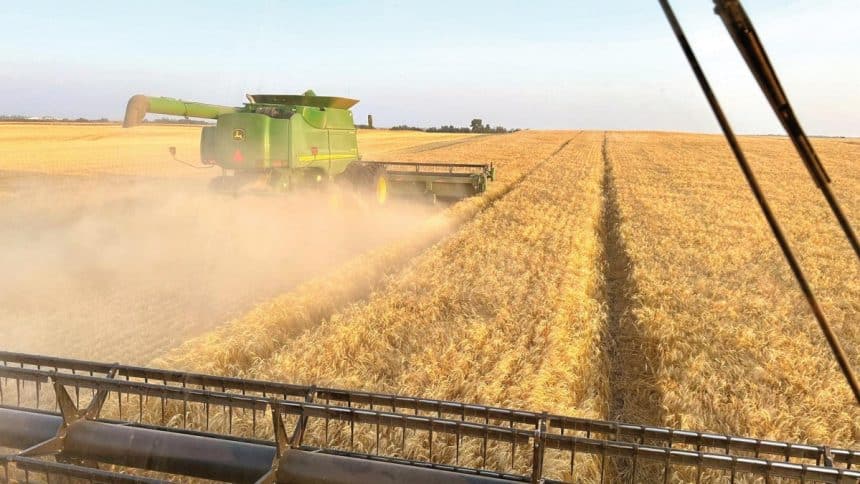
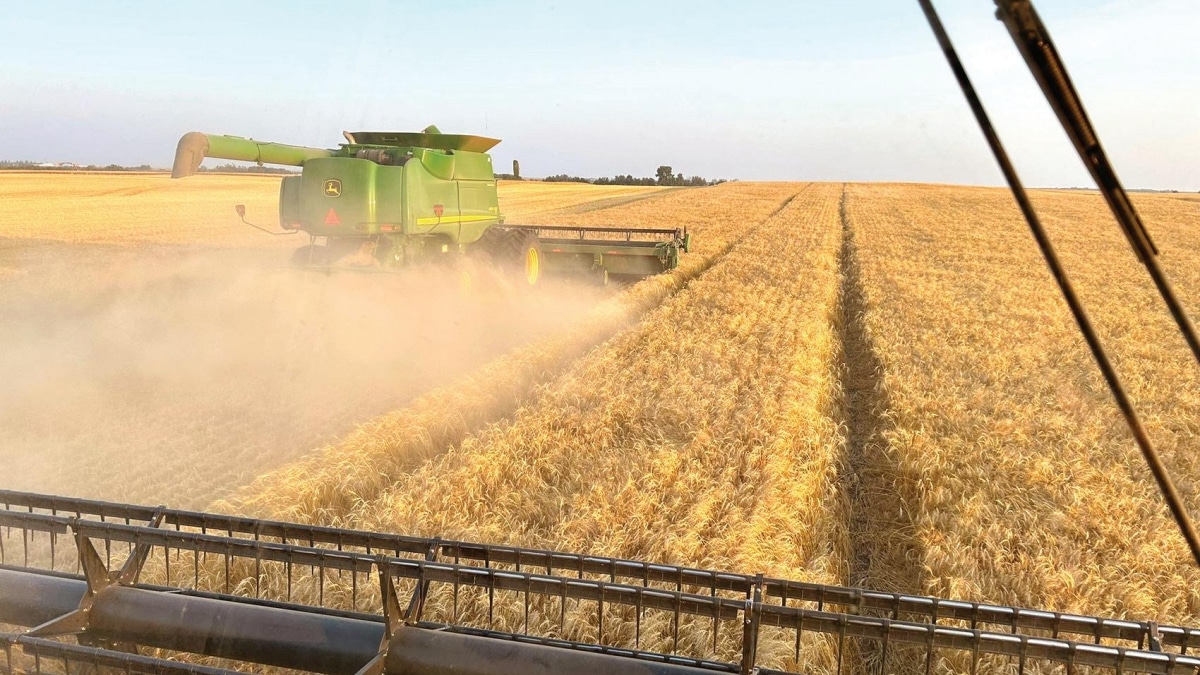
Traditional agriculture has long been the backbone of food production, but with rapid urbanization and limited arable land, the need for alternative farming methods has never been more pressing. This is where vertical farming comes into play.
Unlike conventional farming, which relies on vast expanses of land and favorable weather conditions, vertical farming is a soil-less technique that stacks crops vertically in controlled environments such as warehouses, skyscrapers, or shipping containers. Vertical farms can grow crops year-round, independent of external factors like climate or season, using hydroponic or aeroponic systems.
Tech-Powered Agriculture
Tech-powered agriculture, also known as precision agriculture, is revolutionizing the farming industry by integrating technology to optimize processes and increase efficiency. By utilizing tools such as drones, sensors, GPS technology, and data analytics, farmers can monitor crops, soil conditions, and weather patterns with unprecedented accuracy.
This data-driven approach enables farmers to make informed decisions quickly, leading to higher crop yields, reduced resource wastage, and sustainable farming practices. With the help of tech-powered agriculture, farmers can enhance productivity, minimize environmental impact, and meet the growing demands of a rapidly evolving world.
Benefits of Vertical Farming
The advantages of vertical farming are manifold and far-reaching. Firstly, vertical farms require significantly less land than traditional farming, making them ideal for densely populated urban areas with limited space. This also means that crops can be grown closer to the point of consumption, reducing the carbon footprint associated with transportation.
This innovative approach grows crops in vertically stacked layers in controlled environments such as warehouses or skyscrapers, maximizing space utilization and minimizing land requirements. One key advantage of vertical farming is its ability to produce significantly higher crop yields compared to traditional farming methods, thanks to optimized growing conditions and year-round cultivation.
Vertical farming uses up to 95% less water than conventional agriculture because water is recirculated within the system, making it a more sustainable option in water-scarce regions.
Moreover, Victoria Gerrard La Crosse considers that the controlled environment of vertical farms eliminates the need for pesticides and herbicides, resulting in cleaner, safer produce for consumers. Vertical farming represents a sustainable and efficient solution to the challenges of feeding a growing global population while conserving resources and reducing environmental impact.
Key Components of Vertical Farming
In vertical farming, several key components work together to create a highly efficient and productive system. The first essential component is the vertical structures, consisting of stacked growing units that can be tailored to various crops and growth stages.
Next, specialized LED lighting systems provide the optimal light spectrum for plant growth while conserving energy. Another vital component is hydroponic or aeroponic systems, which deliver nutrients directly to the plant roots without soil, maximizing space and resource efficiency. Climate control systems regulate temperature, humidity, and airflow to create the ideal plant growing conditions.
Monitoring and control systems use sensors and data analytics to track plant health, environmental conditions, and resource usage, enabling real-time adjustments for optimal growth. Lastly, automation technologies such as robotics assist in planting, harvesting, and maintenance tasks, streamlining operations and reducing labor costs. Together, these key components form a sophisticated ecosystem that drives the success of vertical farming in producing high-quality crops sustainably and efficiently.
Technology at the Core
At the heart of vertical farming is a synergy between agriculture and technology. Advanced sensors monitor and regulate environmental factors such as temperature, humidity, and light to create the optimal plant growing conditions. LED lighting systems mimic the sun’s spectrum, providing crops with the ideal light for photosynthesis.
Automation systems control irrigation, nutrient delivery, and harvesting, reducing the need for manual labor and increasing efficiency. Artificial intelligence algorithms analyze sensor data to fine-tune growing parameters, ensuring maximum crop yields and quality.
Challenges and Future Prospects
While vertical farming holds great promise, it is not without its challenges. The initial setup costs of vertical farms can be high, requiring investments in infrastructure, technology, and energy-efficient systems.
Energy consumption is another concern, as artificial lighting and climate control systems contribute significantly to operational costs. Scaling up vertical farming to meet the demands of a growing population also poses logistical challenges that need to be addressed.
However, ongoing research and development efforts aim to overcome these obstacles and make vertical farming a viable and sustainable solution for the future. Looking ahead, the future of urban agriculture seems bright, with vertical farming leading the way.
As technology evolves and innovations emerge, we can expect to see more efficient, cost-effective, and environmentally friendly vertical farming systems being implemented on a larger scale. By embracing this transformative approach to food production, we can feed our cities sustainably and pave the way for a greener and more food-secure future.
Final Thoughts
Victoria Gerrard La Crosse WI, understands that vertical farming is more than just a farming method; it symbolizes our commitment to reimagining agriculture in the face of changing landscapes and growing demands. With technology as its driving force, vertical farming transforms urban agriculture and reshapes our relationship with food and the environment. So, the next time you bite into a fresh, locally grown salad, remember that it might just be the product of a vertical farm soaring high above the city skyline, bringing nature closer to home in ways we never thought possible.