Key Takeaways for 2026 Weight Loss Health Apps
The landscape of weight loss tools has shifted dramatically. In 2026, the smartest digital apps combine psychology, nutrition tracking, movement monitoring, and recovery insights into unified systems that support sustainable weight loss rather than quick fixes.
- The best weight loss apps for 2026 include Noom (behavior-focused coaching), WW (flexible points system), Simple (intermittent fasting and habit tracking), and Calibrate (medication-supported metabolic health).
- Top nutrition apps like MyFitnessPal, Cronometer, and Lose It! help you count calories and track macros, while fitness apps like Strava, Strong, and the Fitbit app keep your physical activity on track.
- Simple focuses on mindful eating, flexible fasting, and habit tracking rather than strict dieting—making it a standout choice for people who want structure without obsessive food logging.
- Free and freemium options exist at every level, so budget constraints don’t have to block your weight loss journey.
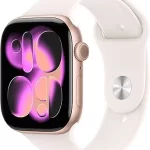
- Wearables like Apple Watch and Fitbit devices now integrate seamlessly with most apps, giving you real-time feedback on movement, heart rate, and sleep quality.
- This article covers both comprehensive weight loss programs and standalone apps, so you can mix and match tools to fit your health and fitness goals.
Why Digital Tools Matter for Weight Loss in 2026
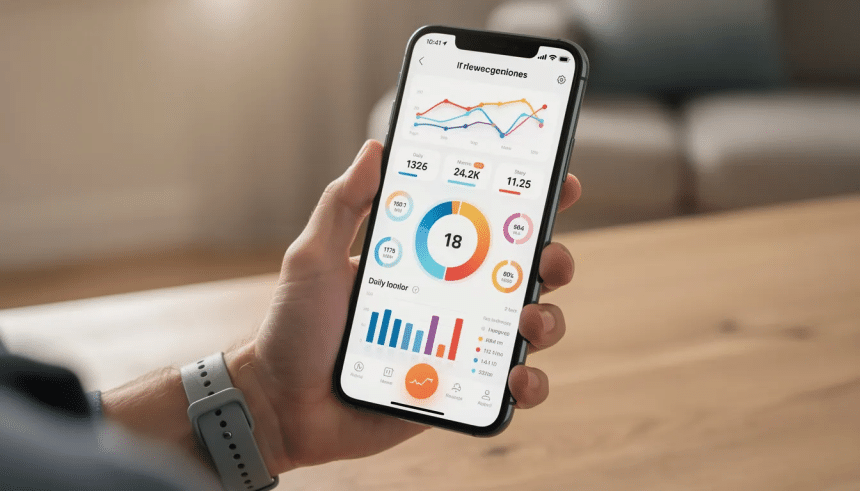
The days of basic calorie counting apps are over. In 2026, weight loss tools integrate wearable data, AI-powered coaching, and habit tracking to give you a complete picture of your daily life—from what you eat to how you sleep and manage stress levels.
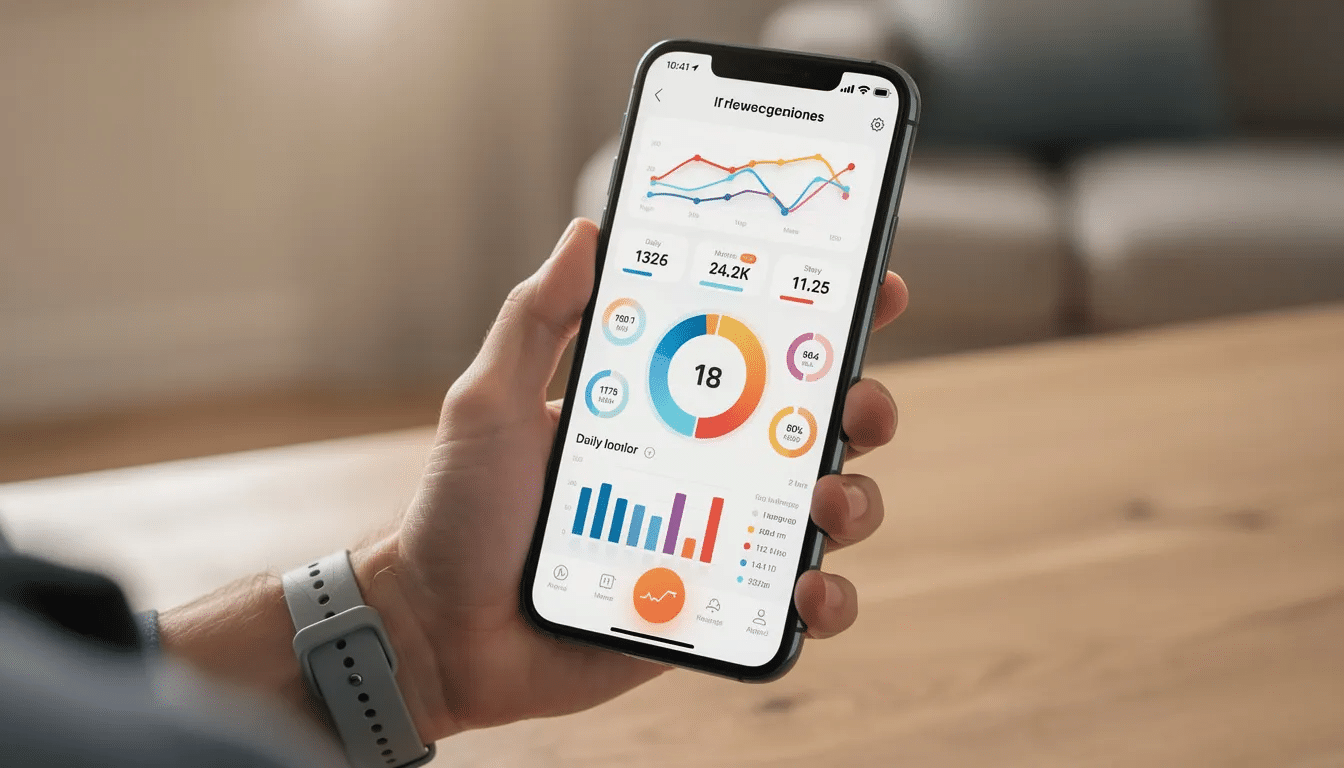
- Tracking food intake, movement, sleep quality, and stress reduces guesswork and exposes hidden patterns like late-night snacking, weekend overeating, or sedentary workdays that sabotage your progress.
- Research suggests that people using weight loss apps consistently lose more weight than those following programs without digital support, largely because self-monitoring creates awareness and accountability.
- Modern apps now support sustainable behavior change by addressing sleep, stress management, movement, and mindset—not just calorie restriction or rapid weight loss tactics.
- Privacy and data security are growing concerns in 2026, so this article will flag when apps require extensive personal data, display ads in free versions, or have significant paywalls.
- The shift toward mental health integration means many apps now include features for emotional resilience, food cravings management, and stress relief alongside traditional nutrition tracking.
Best Overall Weight Loss Apps for 2026
Weight loss apps differ from simple tracking apps because they offer complete ecosystems—education, coaching, community support, and structured meal plans. These are designed to change your eating habits and relationship with food over the long term.
Noom
- Best for people who want to understand the psychology behind their food choices and build healthy habits through daily lessons rooted in cognitive behavioral therapy.
- Integrates food tracking with color-coded food categories (green, yellow, red) based on calorie density and nutritional value, plus access to human coaches.
- Subscription starts around $17–70/month depending on plan length; Healthline gives it a 3.7/5 overall diet score for 2026.
WW (WeightWatchers)
- Best for people who prefer flexibility over rigid rules—the points system lets you eat almost anything while staying within your budget.
- Backed by multiple studies showing effectiveness for both short-term and long-term weight loss; integrates with Apple Health and most wearables.
- Pricing starts around $11.99/month after a 30-day free trial, making it one of the more affordable full weight loss apps.
- Best for people interested in intermittent fasting, mindful eating, and building sustainable routines without meticulous calorie tracking.
- Features fasting timers, personalized schedules, check-ins on energy and hunger, habit streaks, and science-based lessons on nutrition and metabolic health.
- Free to download with optional subscription for advanced insights and customized fasting plans—ideal for anyone who finds traditional dieting overwhelming.
Calibrate
- Best for people with obesity or metabolic conditions who may benefit from prescription weight loss drugs (like GLP-1 agonists) combined with lifestyle coaching.
- Pairs medical supervision with coaching on nutrition, sleep, exercise, and mental wellness for a whole-person approach to weight management.
- Starting cost around $146/month (medication costs often separate); requires medical evaluation and is not suitable for everyone.
Mayo Clinic Diet
- Best for people with diabetes or those seeking a medically backed, nutritious diet plan from a trusted institution.
- Emphasizes glycemic control, balanced diet principles, and evidence-based meal plans rather than trendy restrictions.
- Available as a digital app focused on structured meal planning with one-time or subscription pricing options.
Top Diet and Nutrition Tracking Apps for 2026
These apps specialize in logging food, tracking macros, and sometimes monitoring micronutrients down to individual vitamins and minerals. They pair well with any weight loss program and help you understand exactly what you’re putting in your body.

MyFitnessPal: Calorie and Macro Tracking Powerhouse
MyFitnessPal remains one of the most popular nutrition apps in 2026, with a massive food database and seamless integration with wearables and fitness trackers.
- Strengths include a huge user-generated food database, barcode scanner for packaged foods, restaurant meal entries, customizable macro goals, and syncing with Apple Health, Fitbit, and Strava.
- 2026 updates include more refined AI suggestions for meals and improved exercise tracking, though some advanced features like detailed macro breakdowns and custom goals now sit behind the premium paywall (around $8.49/month).
- Best for data-focused users following macro-based approaches like high-protein, low carb diet, or Mediterranean diet patterns.
- Drawbacks: ads in the free version, user-generated entries that occasionally contain inaccuracies, and potential for obsessive tracking if not used mindfully.
Cronometer: For Detailed Micronutrient Tracking
Cronometer fills a unique niche for people who care about more than just calories—it provides detailed breakdowns of vitamins, minerals, and overall nutrient density.
- Key features include a verified food database (less user-generated noise), comprehensive micronutrient tracking, and support for special diets like keto, vegan, and low-FODMAP.
- 2026 improvements include better recipe building, enhanced wearable integration, and updated RDAs reflecting current nutritional content research.
- Free version covers basic tracking; Gold subscription (around $5–10/month) unlocks advanced charts, biomarker tracking, and trend analysis.
- The interface can feel technical and data-heavy, making it better suited for intermediate to advanced trackers rather than complete beginners looking for a simple calorie counter.
Lose It!: Simple, Goal-Oriented Calorie Counting
Lose It! offers a clean, user-friendly interface for people who want straightforward calorie tracking without overwhelming data or complex features.
- Core features include goal-based planning for weight loss or maintenance, barcode scanner, photo-based food logging, and weekly progress reports.
- Free version includes ads and limited analytics; premium unlocks detailed trends, custom goals, and additional food tracking features.
- Limitations include occasional syncing problems with wearables and fewer community or social features compared with MyFitnessPal or Strava.
- Best for beginners who want a no-frills approach to tracking progress without getting lost in macros and micronutrients.
Simple: Intermittent Fasting and Mindful Eating Companion
Simple stands out in 2026 as an app that blends fasting protocols, habit tracking, and educational content for sustainable weight loss without strict calorie counting.
- Core features include customizable fasting timers, personalized fasting schedules (16:8, 18:6, and more), check-ins on energy and hunger levels, habit streaks, and short science-based lessons on nutrition and metabolism.
- The app structures your eating windows and supports mindful eating patterns.
- Best for people interested in flexible intermittent fasting, reducing late-night snacking, and building healthy habits without following a rigid weight loss plan.
- Free to download with optional subscription unlocking advanced insights, customized plans, and deeper coaching content.
- Users with complex medical conditions, pregnancy, or a history of binge eating should consult health professionals before adopting intermittent fasting protocols.
Pro tip: Choose one main nutrition app rather than juggling several—switching between tools creates confusion, inconsistent data, and burnout that undermines your weight loss journey.
Best Fitness and Activity Apps to Support Weight Loss
Weight loss becomes significantly easier when you track movement, strength training, and cardio alongside your food intake. Research consistently shows that combining dietary changes with regular physical activity leads to better body weight outcomes and improved metabolic health.
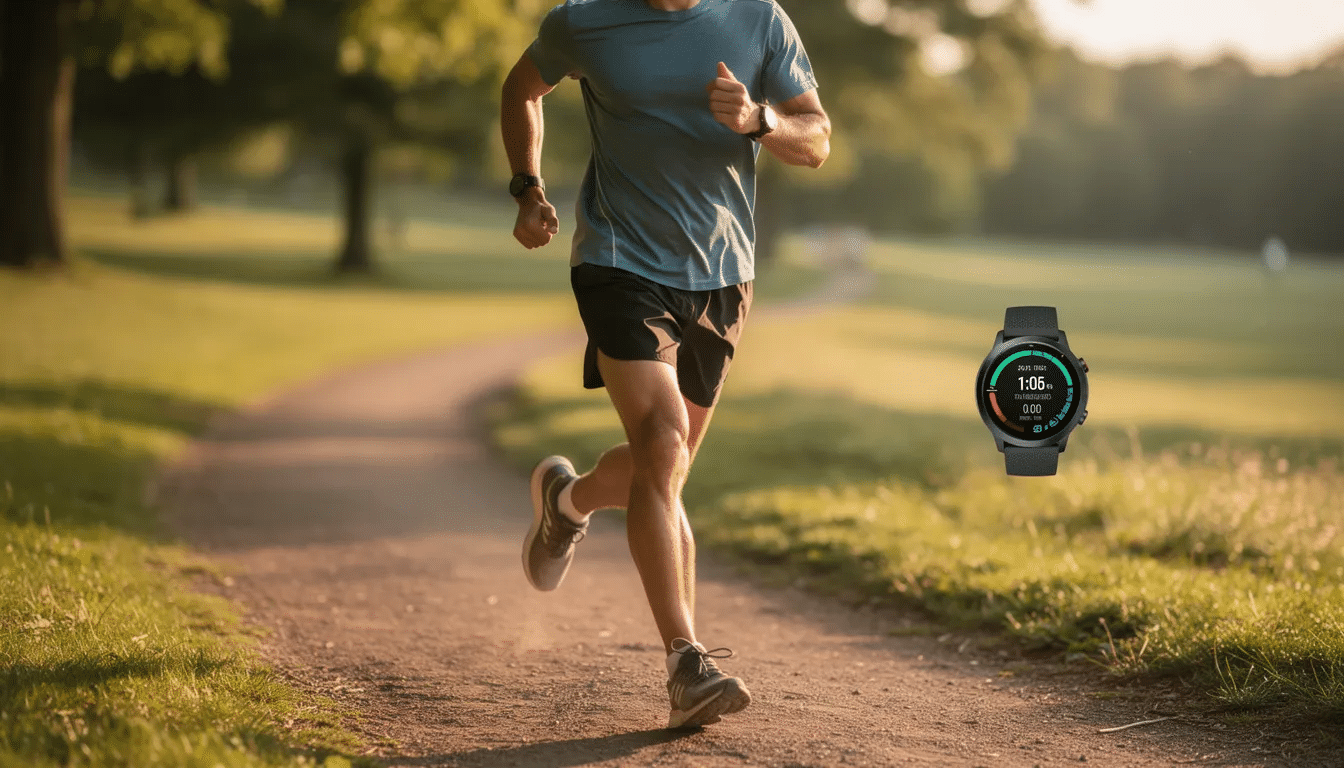
This section focuses on apps and platforms that track workouts, steps, heart rate, and overall physical fitness. The goal isn’t perfection—it’s building consistent daily movement habits that support your healthy lifestyle.
Fitbit App: Daily Movement and Health Metrics
The Fitbit app serves as a central hub for steps, heart rate, sleep stages, and workout tracking when paired with a Fitbit device in 2026.
- Features include daily step goals with hourly movement reminders, heart rate zones during exercise, sleep stage tracking, stress management prompts, and a cardio fitness score based on estimated VO2 max.
- Fitbit Premium subscription adds advanced analytics, guided workout programs, deeper sleep and stress insights, and health coaching content.
- Device cost and battery life vary by model; performance and accuracy depend on which Fitbit you’re using.
- Best for users who want an all-day fitness tracker that nudges them to move regularly and maintain a calorie deficit through consistent physical activity.
Strava: Social Cardio for Runners and Cyclists
Strava remains the go-to social fitness app for tracking runs, bike rides, and other cardio activities in 2026, with a strong emphasis on community and competition.
- Route tracking via GPS provides detailed pace, elevation, and distance stats; social features include kudos, clubs, challenges, and segment leaderboards.
- Free version covers basic tracking; Strava subscription unlocks advanced training metrics, route planning, segment analysis, and personalized training plans.
- Known issues include occasional GPS inaccuracies and privacy settings that should be configured carefully—location data concerns are more prominent in 2026.
- Best for people who stay motivated by competition, community engagement, and performance-based fitness goals rather than pure calorie tracking.
Strong: Strength Training Simplified
Strong offers a clean, intuitive interface for logging weightlifting sessions and tracking strength gains over time—essential for maintaining muscle mass during weight loss.
- Core features include sets/reps/weight tracking, customizable rest timers, one-rep max estimates, and progress graphs showing your strength improvements.
- Free tier available; advanced analytics, cloud backups, and unlimited custom routines may require a paid subscription.
- Best for people who train with free weights or machines and want an uncomplicated way to track resistance training that supports fat loss and muscle gain.
- Limitations include a relatively small exercise library compared to competitors and no in-depth form coaching or video demonstrations.
JEFIT: Structured Strength Programs
JEFIT provides more structure than Strong, offering pre-built workout routines for people who prefer following set programs rather than designing their own.
- Features include a large exercise library with animated demonstrations, body-part split programs, progress logs, and community-shared routines from other users.
- Free version contains ads; Elite subscription removes ads and adds advanced features like workout scheduling and detailed analytics.
- The structured approach can be motivating but may feel rigid or complex for those who prefer simple, flexible strength training sessions.
- Best for users who like gym-style bodybuilding, powerbuilding, or functional training programs to complement their fat-loss goals.
How Wearables and Smartwatches Elevate Your Weight Loss Journey
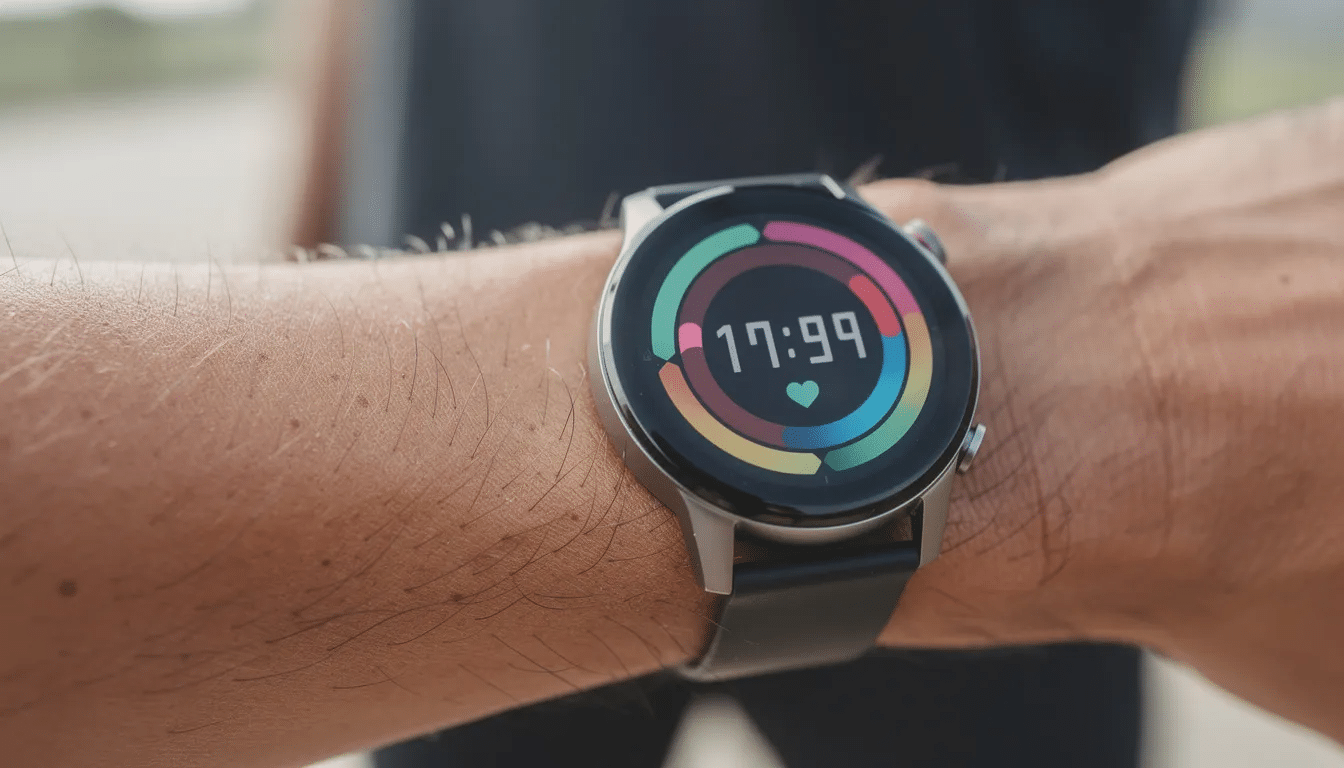
Wearables like Apple Watch, Fitbit devices, and Garmin watches have become essential companions for anyone serious about weight management in 2026. They sync with your favorite apps to provide real-time data on movement, heart rate, recovery, and even blood pressure on some models.
- More accurate calorie burn estimates come from continuous heart rate monitoring, helping you understand your true energy expenditure beyond basic step counting.
- Movement reminders and activity rings create daily accountability—closing those rings becomes a powerful motivator for many users.
- Sleep tracking helps optimize recovery and manage appetite hormones like ghrelin and leptin, which directly affect food cravings and hunger.
- Apple Watch integrates seamlessly with Apple Health, MyFitnessPal, Strava, Simple, and most other popular fitness apps for unified data tracking.
- Fitbit devices sync with the Fitbit app and connect to hundreds of third-party nutrition apps for comprehensive food and activity tracking.
- Downsides include upfront device costs ($150–$800+ depending on model), the risk of becoming too fixated on numbers, and occasional battery life limitations.
Building a Sustainable 2026 Weight Loss Plan with Apps
Real success in 2026 comes from combining the right digital tools with realistic goals and healthy routines—not chasing quick fixes or extreme restrictions that lead to rebound weight gain. The best weight loss plan is one you can maintain for years, not weeks.
A simple framework for getting started:
- Choose one primary nutrition app based on your preferences: Simple for fasting and habits, MyFitnessPal for detailed calorie tracking, Lose It! for simplicity, or Cronometer for micronutrient focus.
- Add one activity or fitness app to track movement: Fitbit app for all-day activity, Strava for cardio, Strong or JEFIT for strength training.
- Set small, specific weekly goals—number of meals logged, steps taken, workouts completed—rather than vague intentions like “eat healthier.”
- Review your tracking progress every 1–2 weeks and adjust your calorie targets, physical activity levels, or fasting windows based on real results.
- Prioritize sleep quality, stress management, and enjoyable movement alongside your calorie deficit—this aligns with 2026’s holistic approach to health and fitness.
Important considerations:
- If you have chronic conditions, are pregnant, or have a history of disordered eating or binge eating, consult health professionals before making significant diet changes or starting intermittent fasting protocols.
- Remember that sustainable weight loss typically means losing 0.5–1% of body weight per week—anything faster often sacrifices muscle mass and mental wellness.
- The fitness industry pushes rapid weight loss solutions, but research suggests slower approaches lead to better long-term maintenance of a healthy weight.
Your 2026 Toolkit for Success
Apps like Simple, MyFitnessPal, Cronometer, Fitbit, and Strava can be combined to create a personalized, flexible system supporting long-term weight loss and overall well being. The key is choosing tools that fit your food preferences, fitness journey, and daily life rather than forcing yourself into a well known diet program that doesn’t match your lifestyle.
The best app is the one you’ll actually use consistently. Start with one tool, build the habit of tracking progress, and add more as needed. Your health and fitness goals in 2026 deserve an approach that’s sustainable, evidence-based, and—most importantly—something you can stick with for the long haul.