In the past, businesses relied heavily on intuition in decision-making, but this has changed over the years. Today, data offers a more objective lens through which leaders can assess options and take a strategic approach, uncovering valuable patterns and insights. According to research, making data-driven decisions increases your chances of acquiring and retaining customers, which, in turn, boosts profitability.
One of the biggest benefits of effective data collection is the ability to better understand customers, enabling you to create personalized experiences that foster loyalty. Take Netflix, for instance, which leverages algorithms based on extensive data to make highly personalized content recommendations for its users. This approach keeps users engaged and boosts satisfaction, which is key to the company’s growth in a competitive market. Ultimately, data collection is a driver of innovation because it enables companies to prioritize developments aligned with market demands, helping them stay ahead of competitors. Below, we explore the latest 5 data collection methods that will help you gather better insights in 2026, so read on!
AI-powered surveys to personalize interactions and automate time-consuming tasks
Conventional surveys are outdated today because they suffer from vague answers, low engagement, and lengthy delays between data collection and analysis. Not only can responders feel disengaged, but insights teams can also face challenges with manual coding and report cycles. That’s where AI comes into play, removing these roadblocks. Surveys powered by AI leverage natural language processing (NLP), along with machine learning and LLMs (large language models), to generate questions dynamically, analyze text responses, and offer valuable insights. Compared to static surveys that use predefined options and post-survey analysis, AI tools are designed to adapt during the survey, with interpretation automated afterward.
Forward-thinking businesses like yours can make the most of this method to ensure more reliable, accurate customer data collection. For example, We are Clariti has an AI-powered, end-to-end survey platform which delivers faster, deeper results, enabling businesses to spend less time processing data and more time on strategic decision-making.
Transaction tracking to spot patterns and preferences in buying behavior
Before the digitization of transactions, when there were no advanced technologies to leverage, companies were left in the dark about customers’ spending habits. Unsurprisingly, they chose reactive rather than proactive strategies, with seasonal promotions and pricing based on gut feelings rather than data-backed insights. With the advent of the internet, however, a new era of data collection emerged, enabling companies to uncover patterns previously invisible.
Transaction tracking has emerged as a modern, reliable method that involves collecting data from e-commerce websites and payment systems to gain insight into how often customers buy, what they purchase, and exactly how much they spend on these products. Leveraging this data can help your business identify the best customers, forecast future purchases, enhance inventory management, and design targeted marketing campaigns based on current buying behavior.
Web analytics to convert raw website activity into actionable insights
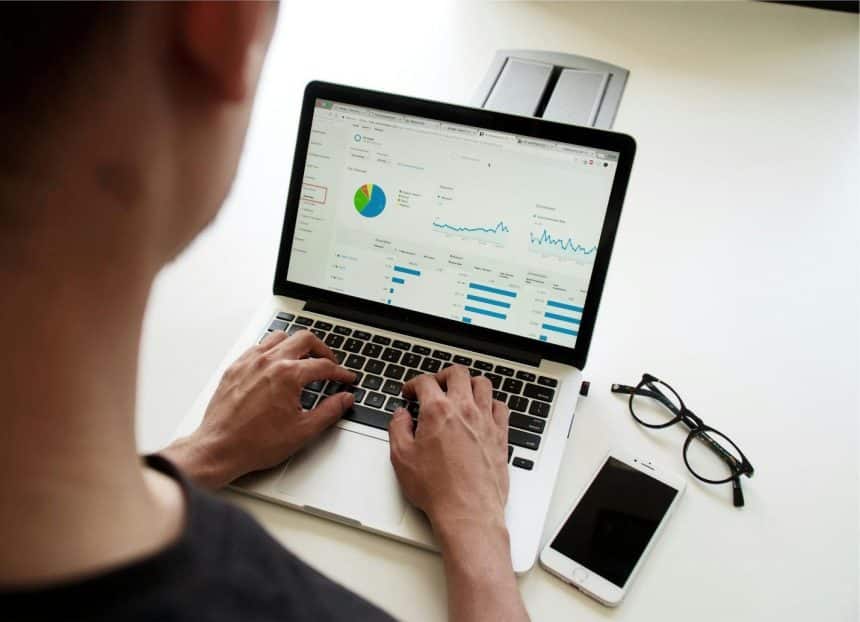
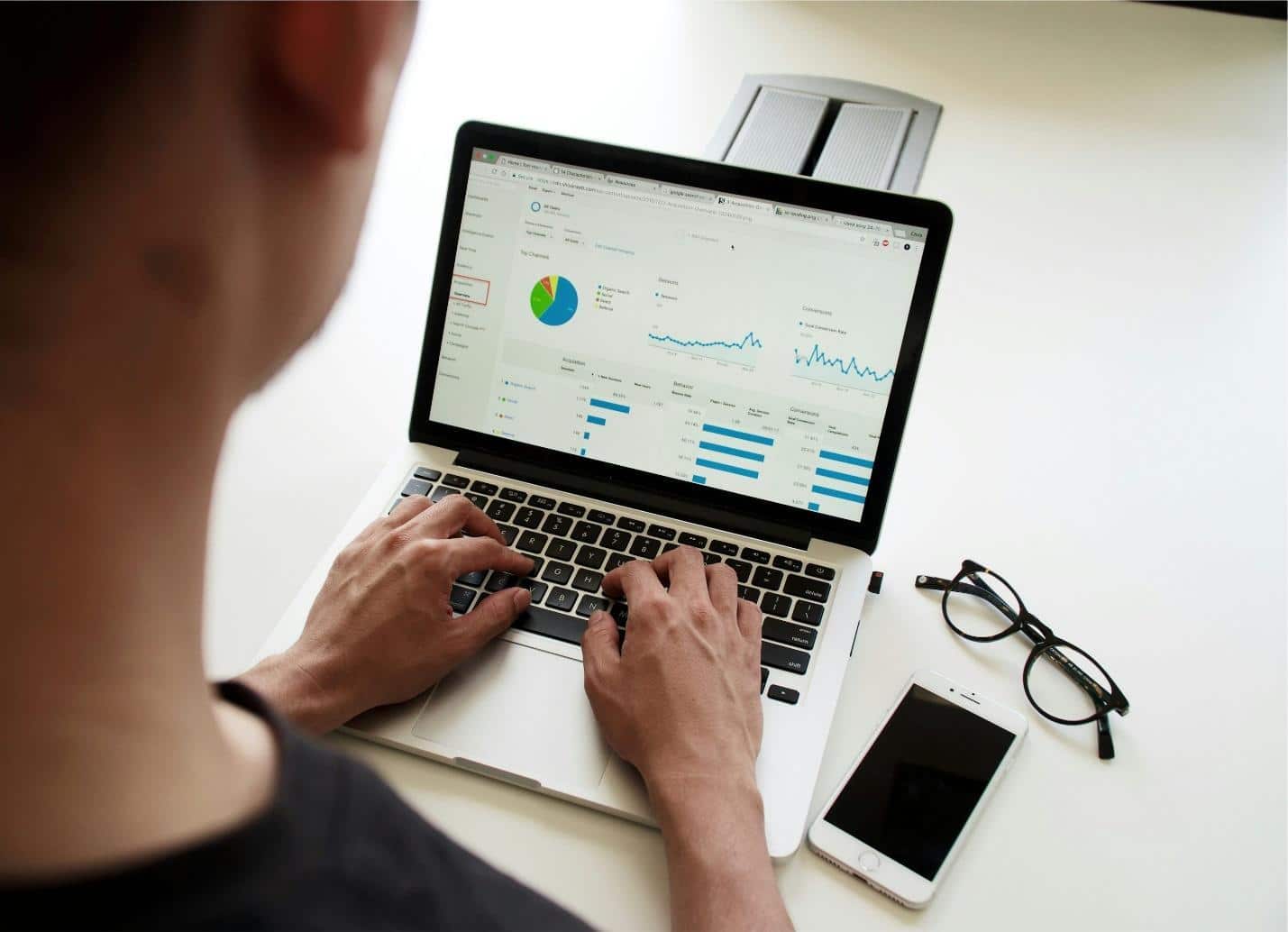
Web analytics is the process of collecting, analyzing, and reporting data about your website’s behavior and performance, as well as your visitors. This method is effective because it provides valuable insights into how people find your site, how they interact with your offers and content, and what they do on your website specifically. Thanks to this information, you can segment visitors based on criteria such as location, demographics, device, browser, and more, and create personas (fictional representations of your ideal customers) to create content that’s personalized and relevant to people, thus boosting conversion rates.
Web analytics ultimately allows you to provide better customer experience by gathering feedback and ratings from previous buyers, through testimonials, reviews, and so on, and understanding their expectations, pain points, and suggestions.
Web scraping to turn arduous manual effort into effective operations
Data exists on the wide expanse of the internet, and while it’s publicly visible, it’s also hidden behind innumerable sites. Collecting data from all these sources is a sluggish and resource-intensive process, which is why businesses need to rely on modern methods such as web scraping to achieve more efficient results.
Web scraping serves as a powerful research tool as it enables companies to monitor competitor pricing to ensure their own offerings remain attractive, stay up-to-date with the latest promotions of their competitors so that they can plan their own campaigns strategically, and gain a detailed view of their competitors’ products to spot market gaps and opportunities alike. But web scraping goes beyond tracking competitor actions: it also enables comprehensive analysis of consumer opinions by gathering comments and reviews from various online sources, offering invaluable insights into product shortcomings, customer preferences, and more to help your business maintain a competitive edge in the industry.
Social media monitoring to capture unfiltered customer feedback
Did you know that people collectively spend 11.5 billion hours on social media platforms each day? That means more time than it took to build the Great Wall of China throughout the centuries, which is quite telling. If you have an online presence, chances are people will talk about your brand on these platforms and share how they feel about your products or services. But do you know what they’re saying? Luckily, there’s a way to find out: social media monitoring, which essentially tracks mentions, shares, conversations, and engagement across platforms such as Instagram, X, and Facebook. By using social media monitoring, you can identify brand advocates, respond quickly to complaints, spot competitive threats, and determine which content truly resonates with your target audience.
Plus, think of it as proactive customer service. Rather than relying solely on traditional channels like email and phone, customers often prefer to ask questions, provide feedback, or share their concerns on social media, so using this method lets you stay ahead of these conversations and provide timely, efficient responses. This approach not only enhances but also supports brand reputation management, allowing you to exemplify customer centricity in a world of self-serving brands.
The bottom line
If you aren’t using data to uncover insights that will guide your company into the future, you will fall behind, that’s for sure. Without it, you cannot know who your customers are, if they like your products, or whether your marketing efforts are effective. This is why you need to leverage the right methods, as the ones discussed above, to collect and interpret data accurately, so you can ultimately improve your performance. Early adoption will set you on the path to success, so are you ready to embrace these methods in 2026?