
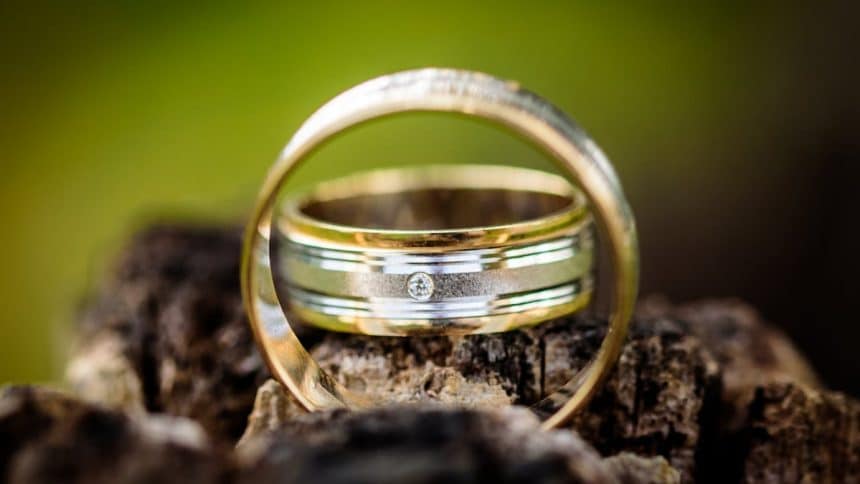
The jewelry industry, long dominated by traditional mining and natural diamonds, is transforming remarkably. Technological advancements have made lab-grown diamonds a sustainable and ethical alternative to mined diamonds. As consumers become more conscious of their purchasing choices, the demand for lab-grown diamonds grows.
These diamonds are visually identical to their mined counterparts and offer a range of benefits that are changing the way people view diamond jewelry. For those looking for high-quality diamonds with transparency and ethics in mind, companies like Diamonds On Richmond are at the forefront of this revolution.
Understanding Lab-Grown Diamonds
Artificial diamonds, also known as synthetic or cultivated diamonds, are manufactured in a laboratory setting. They have the same physical, chemical, and optical properties as natural diamonds and cannot be distinguished by a loupe. Two main methods are used to create these diamonds: High-Pressure, High-Temperature (HPHT), and Chemical Vapor Deposition (CVD).
HPHT replicates the conditions found at the core of the mantle by putting pressure on carbon and heating it to transform it into a diamond. The CVD method, on the other hand, entails the use of a diamond seed placed in a chamber containing carbon gases. These gases dissociate and enable individual carbon atoms to adhere to the seed and build a diamond layer by layer. Both processes produce synthetic diamonds that are indistinguishable from natural diamonds, and most gemologists cannot tell the difference.
It is important to note that the technology used in the creation of lab-grown diamonds has improved in the recent past. Whereas this was once a laborious and costly affair, it has become faster and easier to produce more of these diamonds, thus lowering their prices and making them available to the public. This, combined with the rising awareness of the environmental and ethical issues associated with the conventional method of mining diamonds, has increased lab-grown diamonds.
Sustainability and ethics as the focus of innovation
The other factor that has made consumers shift towards lab-grown diamonds is sustainability. Conventional diamond mining is well known to have deleterious effects on the environment, ranging from deforestation and soil erosion to disruption of ecosystems. Furthermore, ethical issues such as human rights abuses and conflict diamonds have remained rife in the mining industry.
Synthetic diamonds are more environmentally friendly and do not finance wars. By eliminating the need to mine, they significantly decrease the negative impact on the environment. Creating a diamond in a laboratory is far less damaging to the environment than mining for it in the ground. Certain companies in the lab-grown diamond industry have even embraced the use of renewable energy to reduce their carbon footprint further, making lab-grown diamonds a sustainable option for consumers sensitive to the environment.
From an ethical perspective, lab-grown diamonds are much more beneficial. Since they are grown in laboratories, there are no issues of unethical labor practices and human exploitation. This has been due to increased awareness by consumers of the social and environmental cost of the products they use. This change in the consumption pattern has, therefore, been instrumental in the growing demand for synthetic diamonds.
How Technology is Changing the Face of Jewelry
Following the introduction of lab-grown diamonds, new technologies have been adopted across the jewelry industry. One major innovation is the use of technology in the purchase of diamonds. Now, consumers can see diamonds in 3D, even zooming in to check their clarity, cut, and color from home. Due to online consultancy and customization features, it has become straightforward to shop for diamonds online, which is possible only in physical stores.
In addition, blockchain technology is slowly being introduced into the diamond industry to enable customers to track their diamonds from the laboratory to the store. This transparency enhances the level of trust and makes consumers aware of what they are paying for. For the buyer, this technology ensures that they get a product grown in a laboratory and is, therefore, free from the ethical issues found with mined diamonds.
Even jewelry designers are not leaving lab-grown diamonds behind because of their versatility. These diamonds are consistent and easily accessible, which makes them suitable for intricate designs that the availability of natural diamonds would have otherwise restricted. This freedom enables designers to be creative and create beautiful yet sustainable art and designs.
The Future of Diamonds
The future of the diamond industry will lean more towards artificial diamonds as the technology in their production becomes better, cheaper, and more environmentally friendly. It is interesting to note that the current generation is slowly warming up to lab-grown diamonds and no longer considers them as fake or imitation diamonds but rather as a new generation of diamonds that are as good as mined diamonds minus the nasty attributes they come with.
Thus, despite the fact that cultured diamonds are less popular than traditional ones, the demand for the latter is expected to increase. Given that more consumers are adopting the technological advancements that make lab-grown diamonds possible, it is safe to say that these diamonds are not a fad but the future of the jewelry sector.
Conclusion
Lab-grown diamonds are not only changing the appearance of jewels but also impacting the jewelry market in various ways. This is where the need for technology in the diamond industry is identified, which will meet the needs of consumers who are looking for diamonds that are sustainable, ethical, and cheap.
Diamonds On Richmond is one such company that is leading the change and giving consumers to be a part of this change by buying diamonds that shine as bright as traditional diamonds but are friendlier to the environment. As innovation continues to define how diamonds are made and marketed, it can be established that lab-grown diamonds are not only a fashionable innovation but an industry that represents the future of fine jewelry.