
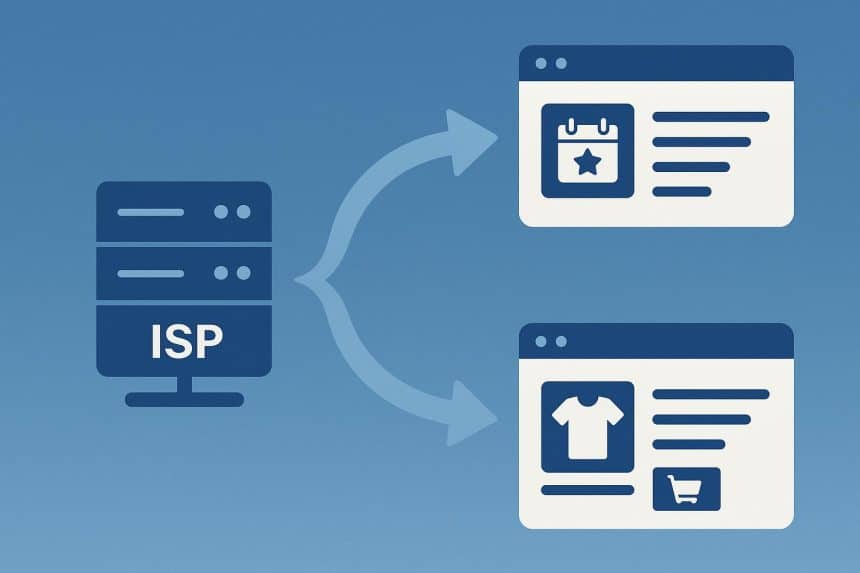
In an era where limited-edition products sell out in seconds and ticketing portals crash under demand, milliseconds matter. Businesses in event ticketing and eCommerce operate in high-pressure environments where automation, speed, and stealth are non-negotiable. At the heart of this digital arms race lies a quietly dominant force: ISP proxies.
These specialized tools are quickly becoming foundational for organizations seeking reliable access to data and elevated performance in online markets. From price monitoring to scalping prevention, ISP proxies for events & eCommerce are redefining what real-time agility means in the digital age.
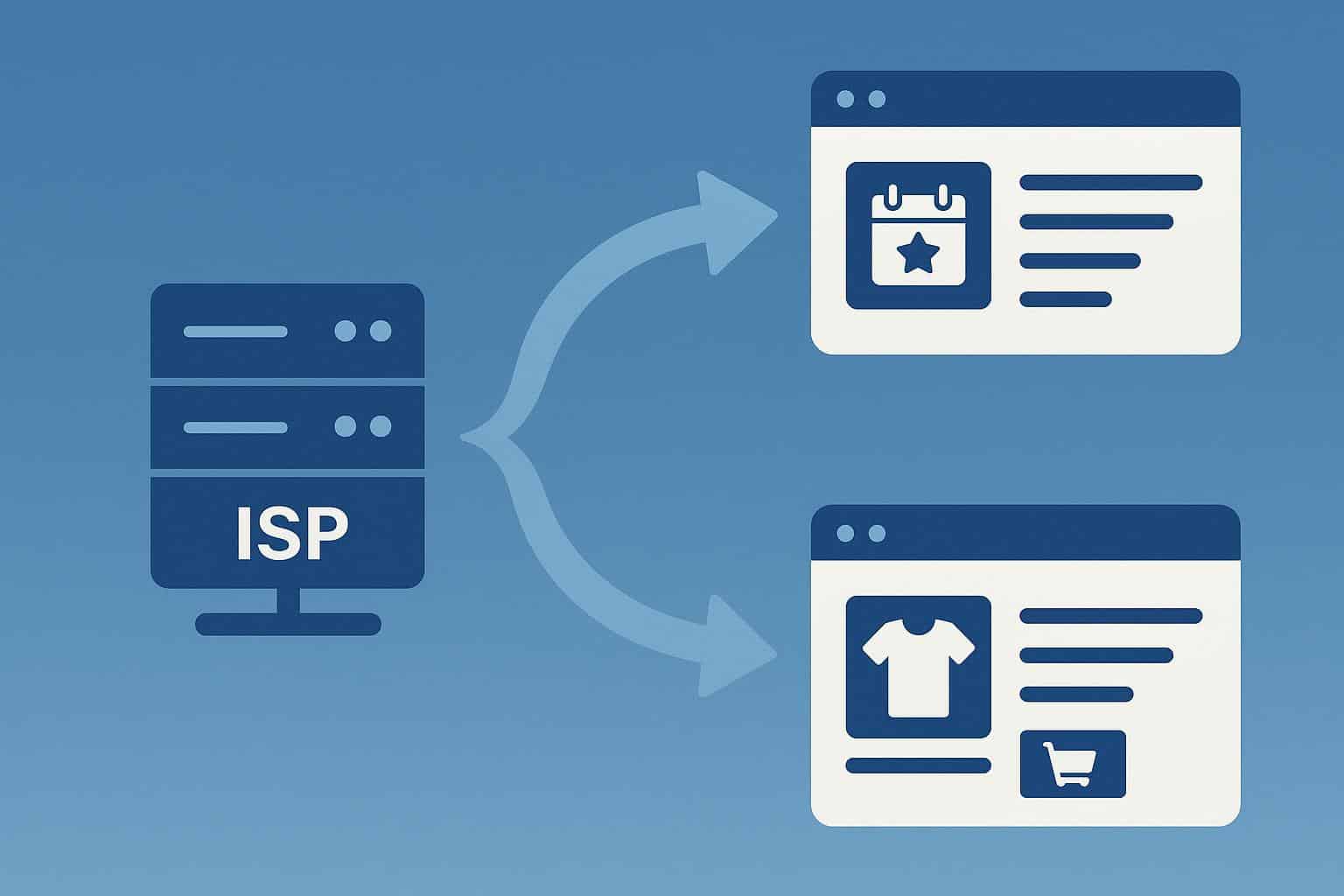
What Exactly Are ISP Proxies?
ISP proxies, or Internet Service Provider proxies, are unique in their structure. They consist of IP addresses assigned by real residential ISPs but hosted on robust datacenter-grade infrastructure. This combination provides the authenticity of residential proxies—making traffic appear human—while maintaining the speed and uptime of datacenter proxies.
That stealth-performance combo allows users to bypass the increasingly advanced anti-bot systems governing platforms like Ticketmaster and Amazon. These platforms deploy detection tools from providers like Akamai and Cloudflare, designed to block automated behavior. However, traffic routed through ISP proxies appears legitimate to such systems, enabling users to operate at scale without triggering alarms.
Why eCommerce and Events Depend on ISP Proxies
In sectors where flash sales, limited releases, and dynamic pricing dominate, up-to-the-second data is gold. ISP proxies have proven vital for tasks such as automated purchasing during high-demand drops (e.g., sneakers, concert tickets), high-frequency product page refreshing to track inventory or pricing changes, and real-time enforcement and monitoring of Minimum Advertised Pricing (MAP) violations.
In early 2023, during a major sneaker release, a client of Smartproxy shifted from residential to ISP proxies and recorded a 30% uplift in carting success. In sneaker reselling—where competition is brutal and seconds matter—that kind of boost is transformational.
Similarly, eCommerce intelligence platforms and retailers rely on ISP proxies to stay a step ahead of competitors by harvesting up-to-the-minute pricing data. According to an eMarketer study in 2023, over 65% of surveyed global retailers reported using proxies in their operations for exactly these purposes.
The Growing Market for Proxy Solutions
The rise in global digitization and cross-border commerce has rapidly accelerated the demand for proxy infrastructure. The global proxy market reached a valuation of $1.2 billion in 2022, and proxies tailored to eCommerce and event-based use cases alone accounted for an estimated 28% of that, per data from Oxylabs and Bright Data.
Forecasts indicate continued momentum. Market projections suggest a compound annual growth rate (CAGR) of 21.3% through 2028 in the dedicated proxy services space, which includes ISP proxies. Notably, Proxyway’s 2023 benchmarking report saw a year-over-year increase of 38% in ISP proxy use specifically for automation-heavy drops like NFTs and limited-run sneakers.
With latency rates often under 50 milliseconds and automation success rates over 90%, the ROI from high-performance proxies is difficult to ignore.
Advancements and Ethical Considerations
This evolving sector isn’t just about faster connections. High-end proxy providers now offer granular geo-targeting options—sometimes down to the specific city or even local ISP level. This empowers brands to test ad placements, search rankings, and pricing considerations at near-microlocal scales.
Additionally, data-as-a-service vendors like Bright Data have bundled ISP proxies into plug-and-play APIs, transforming them into full-fledged data gathering engines. These integrations are enabling rapid deployment in large-scale scraping and monitoring tasks without requiring deep technical customization.
But with power comes responsibility. Sophisticated AI-driven bot detection is evolving just as quickly as the tools used to bypass them. Legal risks persist for companies engaging in unauthorized scraping or disregarding fair-use policies. Ethics and compliance frameworks remain central to sustainable proxy usage, especially as regulators grow more aware of digital data practices.
Challenges and Costs
ISP proxies provide performance but at a cost. Pricing typically ranges between $3 to $5 per IP per month—meaning they’re often two to three times more expensive than datacenter proxies. Additionally, the size of ISP IP pools tends to be limited due to formal agreements with service providers, posing scalability concerns for operations requiring thousands of concurrent requests.
There’s also emerging evidence that some large platforms are beginning to fingerprint overused ISP IP blocks, leading to occasional blocks or throttling. In short, even the best tools need to be used strategically to retain effectiveness over time.
The Road Ahead: Why ISP Proxies Are Here to Stay
With global eCommerce sales expected to reach $8 trillion by 2027, and event ticketing moving increasingly online, the demand for tools that combine speed, stealth, and scalability is destined to rise further.
ISP proxies aren’t a temporary workaround—they’re forging a long-term role in how businesses acquire data, compete fairly, and drive precision marketing. For companies with high-frequency needs, from retailers to event automation teams, the potential return is massive: higher success rates, real-time monitoring, and reduced risk of detection.
As anti-bot systems become more effective, so too must the strategies designed to navigate them. And in that landscape, ISP proxies stand out not just as a tool, but as a strategic infrastructure built for the urgency and complexity of modern digital commerce.