
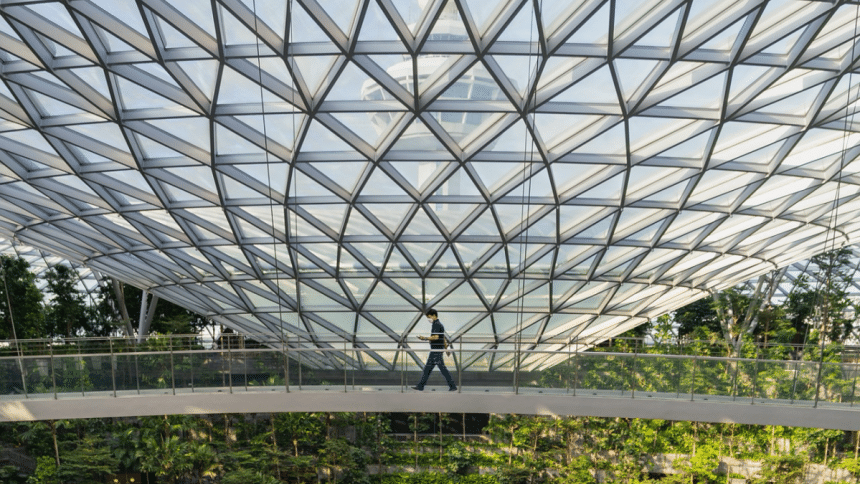
Many of you may be wondering how green building technologies are transforming Singapore’s approach to sustainable real estate development. As urbanization accelerates and environmental concerns mount, the integration of eco-friendly practices in construction and design has never been more vital. This blog post will guide you through the various innovative technologies and strategies adopted in Singapore, demonstrating how they contribute not only to reducing environmental impact but also to enhancing the quality of life in your community. Explore the significant opportunities that green building presents for both developers and residents alike.
Overview of Green Building Technologies
Your understanding of green building technologies is important in navigating Singapore’s sustainable real estate development landscape. These innovations aim to improve energy efficiency, reduce environmental impact, and promote the health and well-being of residents. By adopting such technologies, developers contribute to a more sustainable future while enhancing property value.
Definition and Key Features
Building green involves utilizing sustainable resources and innovative practices to create structures that are environmentally responsible. Key features of green building technologies include:
- Energy efficiency optimization
- Water conservation systems
- Sustainable material use
- Indoor environmental quality enhancement
- Building lifecycle analysis
This holistic approach not only minimizes waste and resource consumption but also promotes healthier living environments.
Types of Green Building Technologies
Many types of green building technologies exist, each playing a role in sustainable development. Key types include:
- Solar energy systems
- Green roofs and walls
- Energy-efficient HVAC systems
- Rainwater harvesting systems
- Smart building technology
Any of these technologies can greatly enhance the sustainability of your property and contribute to Singapore’s green ambitions.
| Type of Technology | Description |
| Solar Energy Systems | Utilizes solar panels to convert sunlight into electricity, reducing reliance on non-renewable energy. |
| Green Roofs and Walls | Incorporates vegetation into building surfaces, improving insulation and reducing stormwater runoff. |
| Energy-efficient HVAC Systems | Employs advanced technology to regulate indoor climate efficiently, minimizing energy consumption. |
| Rainwater Harvesting Systems | Collects and stores rainwater for non-potable usage, decreasing water scarcity. |
| Smart Building Technology | Integrates digital solutions for monitoring and controlling building operations for maximum efficiency. |
In addition, understanding how these technologies interlink can empower you to enhance your projects further. For instance, combining solar panels with smart building systems can create significant energy savings. Other types you might consider include:
- Geothermal heating and cooling systems
- LED lighting solutions
- Low-VOC materials
- Building information modeling (BIM)
- Adaptive reuse practices
Any combination of these technologies not only drives sustainability but also increases your property’s market appeal and operational efficiency.
Current Trends in Singapore’s Real Estate Development
If you are looking at Singapore’s real estate landscape, you’ll notice a growing emphasis on sustainability. Developers are increasingly incorporating green building technologies into their projects to meet the demands of eco-conscious investors and residents. This trend reflects a broader shift towards creating healthier, energy-efficient environments that align with Singapore’s vision of a sustainable city.
Market Demand for Sustainable Solutions
Singapore’s real estate market is experiencing a surge in demand for sustainable solutions. Buyers and investors are now prioritizing properties that minimize environmental impact, showcasing a clear preference for developments that integrate green technologies. This shift is reshaping how developers approach new projects, focusing on energy efficiency and environmentally friendly materials.
Government Policies and Initiatives
Development trends in Singapore are heavily influenced by government policies aimed at promoting sustainability in real estate. The government has introduced various initiatives that encourage developers to adopt green building standards, providing incentives such as grants and certifications for environmentally friendly projects.
In fact, the Singapore Green Building Masterplan outlines ambitious objectives for reducing the nation’s carbon footprint through green building initiatives. By implementing stringent regulations and offering support for green building certifications, the government fosters a robust environment for sustainable development. You can expect these policies to not only benefit the environment but also enhance property values and appeal to a new generation of environmentally aware consumers.
Benefits of Green Building Technologies
It is important to acknowledge that green building technologies provide numerous advantages, enhancing both the environment and your living experience. These technologies significantly reduce resource consumption, lower operating costs, and promote healthier indoor environments. By adopting these practices, you not only contribute to sustainability but also increase the long-term value of your property, making it an appealing option for potential buyers or tenants.
Environmental Impact
One of the most significant benefits of green building technologies is their positive impact on the environment. By minimizing energy and water usage, you help to conserve natural resources and reduce greenhouse gas emissions. This eco-friendly approach not only helps combat climate change but also fosters a healthier ecosystem, leading to biodiversity preservation and improved air and water quality.
Economic Advantages
Among the many benefits, economic advantages stand out, especially as sustainability becomes increasingly important in real estate development. Implementing green technologies often leads to substantial savings on utility bills and maintenance costs, which directly benefits your financial bottom line over time.
To further illustrate, green buildings often command higher market values due to their energy-efficient features and reduced operating costs. Additionally, many governments and organizations offer incentives, such as tax breaks or grants, to promote sustainable construction practices. You might find that these initiatives greatly enhance the profitability of your investment while fostering a more sustainable real estate market in Singapore.
Challenges in Implementing Green Building Practices
Unlike traditional construction methods, green building practices face a multitude of challenges in Singapore. You may encounter issues such as a lack of public awareness, limited availability of sustainable materials, and the necessity for advanced technical knowledge. These challenges can complicate your projects and slow down the adoption of eco-friendly alternatives among developers and contractors.
Financial Barriers
Beside the technical challenges, financial barriers frequently impede your efforts to implement green building technologies. The initial costs of sustainable materials and technologies can be significantly higher than conventional options. You may also find that securing financing for green projects can be more complicated, creating hesitance among developers to fully commit to eco-friendly practices.
Stakeholder Engagement
At the same time, engaging various stakeholders effectively presents another challenge. Building sustainable real estate requires aligning the interests and motivations of diverse parties, including developers, contractors, government agencies, and the community. Creating a unified vision for sustainability that resonates with all stakeholders can be daunting and often involves extensive negotiation and compromise.
Implementing a successful stakeholder engagement strategy is necessary for your green building projects. You need to identify all relevant parties early in the planning process and actively involve them in discussions about sustainable goals and practices. Regular communication, education about the benefits of green building, and collaborative decision-making help foster a sense of shared responsibility. By encouraging involvement and gathering insights from various stakeholders, you can build consensus and facilitate smoother project execution, ensuring that sustainability becomes a collective priority.
Case Studies of Successful Green Buildings in Singapore
Once again, Singapore has set a global benchmark with its green building initiatives. Several remarkable projects showcase the city-state’s commitment to sustainable design:
- Marina Bay Sands: Achieved a BCA Green Mark Platinum rating, featuring a sky park and extensive greenery.
- LEE Kuan Yew School of Public Policy: Designed for energy efficiency, it includes solar panels and rainwater harvesting systems.
- Changi Airport Terminal 4: Incorporates smart building technology and energy-efficient systems, reducing energy use by 20%.
- Parkroyal on Pickering: Integrates lush garden terraces, reducing water consumption by 40% and earning a Green Mark Platinum rating.
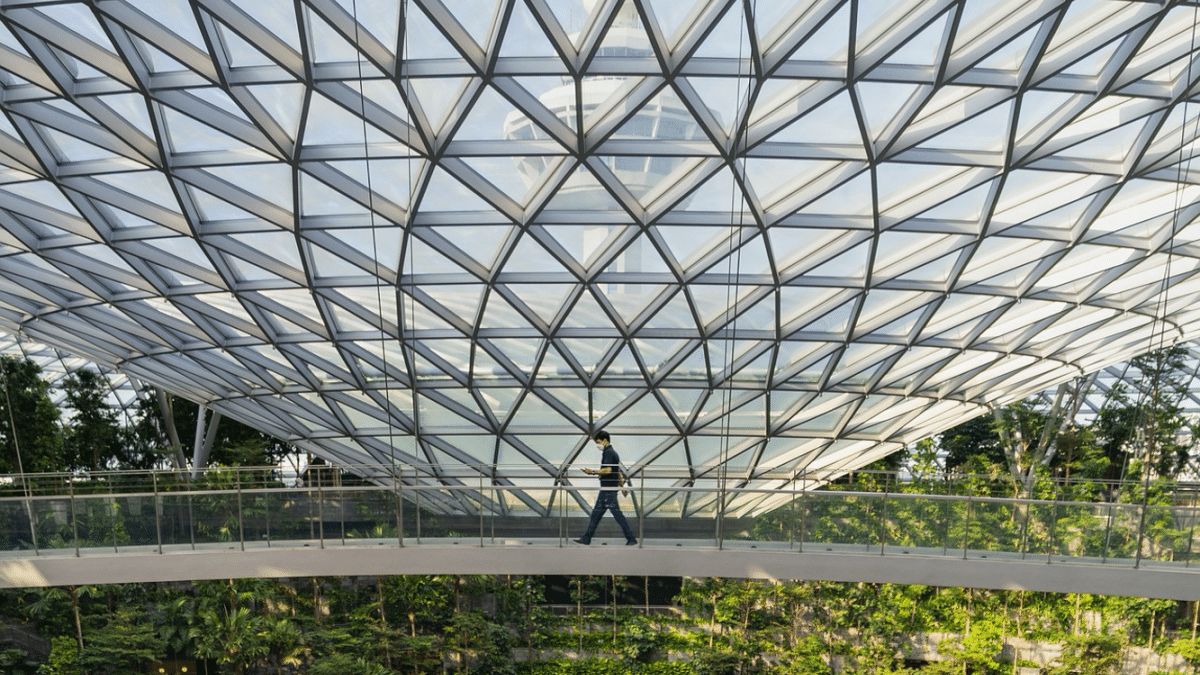
- Jewel Changi Airport: Features a stunning indoor waterfall and sustainable landscape with rainwater collection systems.
Iconic Projects
Between the dazzling Marina Bay Sands and the lush Parkroyal on Pickering, Singapore’s iconic projects represent a harmonious blend of architecture and sustainability. Each building not only enhances the skyline but also reduces the ecological footprint, demonstrating how innovative design can align with sustainable practices. These structures are not just landmarks; they symbolize Singapore’s commitment to creating an environmentally-friendly urban environment.
Lessons Learned
Around these successful projects, valuable lessons emerge about integrating green technologies into real estate development. Observing how these buildings function and their impact on communities provides insights into best practices for future projects. This knowledge is instrumental in formulating strategies that can be applied across various developments, maximizing environmental benefits while also enhancing user experience.
This approach leads to a broader understanding of effective partnerships, advanced technologies, and innovative design choices that can transform ordinary buildings into sustainable landmarks. By analyzing the successes and challenges faced by these iconic structures, you gain perspective on the importance of collaboration between architects, developers, and the community, ensuring that your future projects can reap similar rewards. Further evaluating how local regulations and incentives play into these successes can also guide your endeavors toward sustainable real estate development in Singapore.
Future Directions for Sustainable Real Estate Development
Despite the challenges currently facing sustainable real estate development, future directions indicate a growing integration of innovative practices and policies. As investors and developers increasingly value eco-friendly initiatives, you can expect enhanced regulatory frameworks, fostering an environment conducive to sustainable projects. With a concerted effort from the government and private sectors, there’s potential for Singapore to set a global benchmark in sustainable urban development at Nava Grove.
Innovations in Green Building Technologies
With advancements in green building technologies, sustainable real estate is evolving rapidly. You can leverage cutting-edge solutions such as smart building systems, renewable energy sources, and eco-friendly materials. These innovations not only enhance energy efficiency but also lower operational costs, making them an attractive investment for your future projects.
The Role of Community and Stakeholders
Innovations in sustainable real estate development depend significantly on community engagement and stakeholder collaboration. You have a vital role in shaping sustainable living environments by actively participating in discussions and initiatives that encourage greener practices. Your involvement ensures that development meets both ecological standards and the needs of the community at Chuan Park.
Understanding the importance of community and stakeholder participation is key to successful sustainable real estate development. By engaging with local residents, businesses, and governmental bodies, you foster a sense of shared responsibility and collective vision for a sustainable future. Your insights contribute to tailoring projects that reflect community interests while achieving sustainability goals. Furthermore, collaboration often leads to innovative solutions that you may not have considered on your own, enriching the overall development process.
Conclusion
On the whole, embracing green building technologies in Singapore’s real estate development not only supports environmental sustainability but also enhances your property’s marketability and value. By integrating innovative solutions such as energy-efficient systems and sustainable materials, you contribute to a healthier living environment while potentially lowering operational costs. As you navigate the evolving landscape of sustainable development, your commitment to these practices positions you ahead of the curve in a competitive market that increasingly prioritizes eco-conscious initiatives.