

Video has become one of the most dominant forms of digital communication, entertainment, and education, but user expectations around how video should work have evolved just as quickly as the technology itself. Today’s audiences no longer think in terms of devices or file formats. They expect video to load instantly, play smoothly, and transition effortlessly across phones, tablets, laptops, and TVs, without friction or disruption.
This shift is especially visible across Apple ecosystems, where continuity between devices is a core design principle. Behind the scenes, many companies rely on a modern video platform approach to support these expectations, enabling adaptive streaming, performance optimisation, and consistent playback across different Apple environments. While consumers may not notice the infrastructure directly, the experience it creates has become the baseline for what “good video” means today.
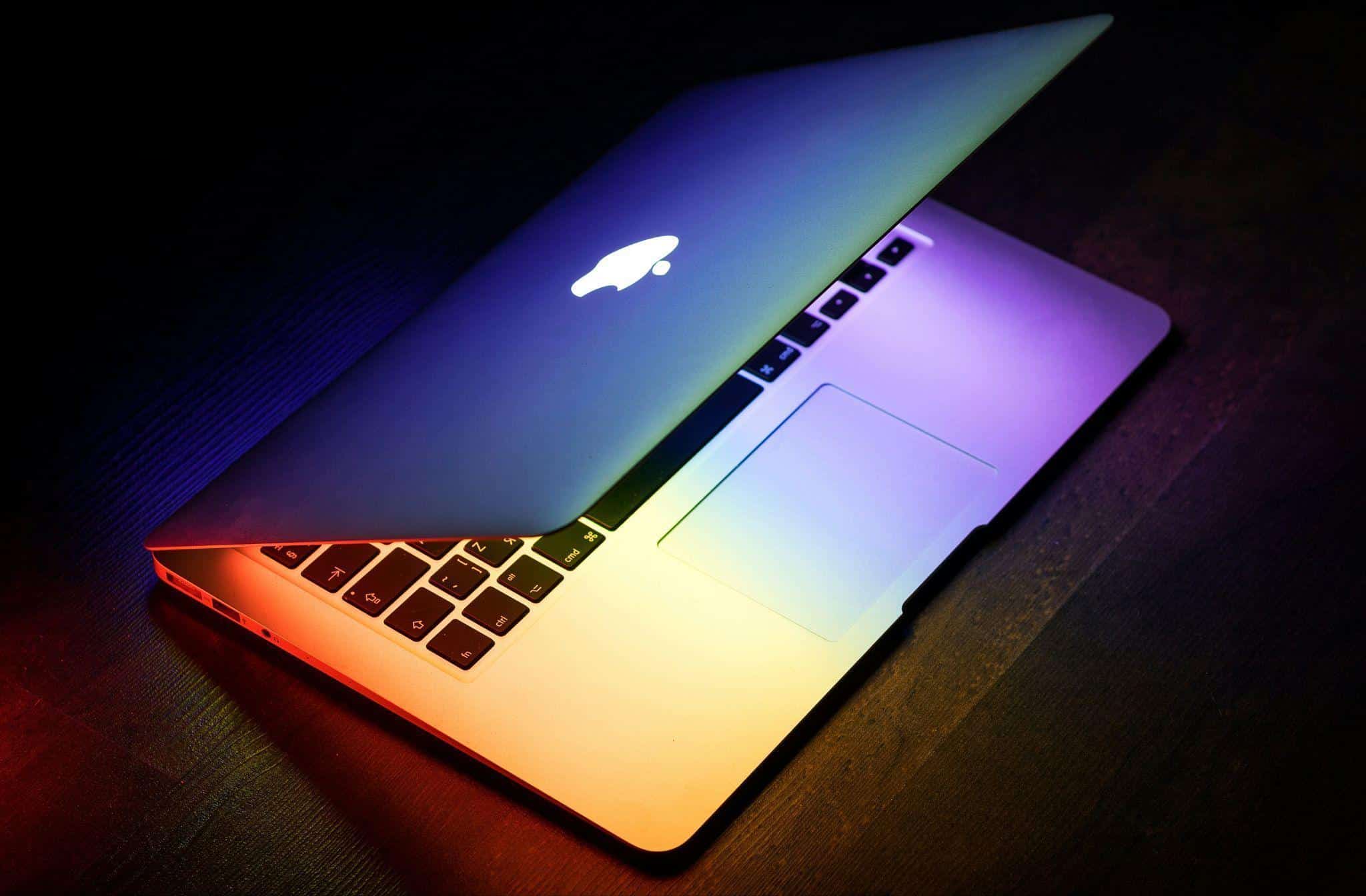
Understanding why seamless video matters, and how Apple ecosystems have helped raise the bar, offers insight into broader trends shaping digital product design.
Why Seamless Video Has Become the New Standard
A decade ago, users tolerated buffering, inconsistent playback, and platform-specific limitations. Today, those same issues often result in immediate drop-off. Research consistently shows that even small delays in video load time significantly reduce engagement and completion rates, particularly on mobile devices.
The expectation of seamlessness is not limited to entertainment platforms. Video is now embedded into productivity tools, education platforms, healthcare portals, e-commerce experiences, and internal company systems. Users may start watching a video on an iPhone, continue on a MacBook, and finish on an Apple TV, all without consciously thinking about the transition.
Apple’s ecosystem has played a central role in shaping these expectations by emphasizing continuity, hardware-software integration, and performance consistency. This has influenced how developers, platforms, and infrastructure providers think about video delivery at scale.
Apple Ecosystems and the Continuity Effect
One of Apple’s most influential contributions to digital experience design is the idea of continuity. Features like AirPlay, Handoff, iCloud sync, and shared media frameworks encourage users to move fluidly between devices without interruption.
For video, this means playback must be:
Stable across different screen sizes and resolutions
Adaptive to changing network conditions
Consistent in quality regardless of entry point
Optimised for Apple-specific codecs and hardware acceleration
When these conditions are met, video feels less like a “feature” and more like a natural extension of the operating system itself. When they aren’t, the experience feels broken, especially to users accustomed to Apple’s high standards.
This is why backend video infrastructure has become just as important as front-end design.
The Role of Adaptive Streaming and Smart Encoding
Seamless video experiences depend heavily on adaptive streaming technologies that dynamically adjust quality based on device capability and network conditions. Apple environments, in particular, rely on formats such as HLS (HTTP Live Streaming), which allows video to be delivered in small segments that adapt in real time.
Without adaptive streaming, users on mobile networks would experience constant buffering, while users on high-resolution displays would receive sub-optimal quality. Smart encoding ensures that each Apple device receives the best possible version of a video without unnecessary data transfer or performance strain.
This technical layer is invisible to the end user, but it is foundational to the smoothness they expect.
Performance as a Design Requirement, Not an Optimization

One of the biggest shifts in video delivery is the recognition that performance is no longer something teams “optimize later.” It is now a core design requirement from the earliest stages of product development.
Apple’s ecosystem reinforces this mindset because poorly optimized video stands out immediately. Devices with high-resolution Retina displays and powerful chips make flaws more noticeable, not less. Dropped frames, delayed audio, or mismatched resolutions are far more obvious on premium hardware.
As a result, digital teams increasingly treat video performance as part of the product experience itself, not a technical afterthought. This includes considerations around load prioritization, compression efficiency, caching strategies, and delivery proximity.
Cross-Device Consistency and User Trust
Consistency plays a major role in user trust. When a video behaves differently on an iPhone than it does on an iPad or Mac, users subconsciously perceive the product as unreliable.
Apple’s ecosystem sets a high bar here. Users expect the same interaction patterns, playback controls, and visual quality across devices. Meeting those expectations requires platforms to abstract complexity away from individual devices and manage it centrally.
This is one reason centralized video delivery models have gained traction. By managing transformations, formats, and delivery logic in one place, teams can ensure consistent outcomes across Apple hardware without maintaining separate workflows for each device.
Accessibility and Inclusive Video Experiences
Seamless video delivery is not only about performance, it’s also about accessibility. Apple has been a strong advocate for inclusive design, offering system-level support for captions, screen readers, audio descriptions, and adaptive playback controls.
For video to integrate properly into Apple ecosystems, it must support these accessibility features reliably. Captions need to sync correctly. Controls must remain usable across input methods. Playback must respect system preferences.
When video platforms align with these standards, they help create more inclusive digital experiences without requiring custom implementations for every accessibility need.
Global Audiences and Local Performance
Another factor driving seamless video experiences is the global nature of modern audiences. A video may be created in one country but consumed across dozens of regions, on different networks, and under varying bandwidth conditions.
Apple devices are used worldwide, which means video delivery must perform consistently regardless of geography. Latency, buffering, and quality degradation all undermine the continuity users expect.
This has pushed video delivery strategies toward global distribution models that reduce distance between content and viewer, ensuring Apple users in different regions receive the same smooth experience.
Authority Perspective on Video Experience Expectations
Industry research reinforces the importance of seamless video delivery. According to Apple’s own developer documentation, efficient media delivery and adaptive streaming are critical for maintaining performance and battery efficiency across iOS, macOS, and tvOS environments, especially as video usage continues to grow.
This highlights how deeply video experience is tied to platform-level performance expectations, not just application-level decisions.
Why This Trend Extends Beyond Apple
While Apple ecosystems are a major driver of seamless video expectations, the impact extends far beyond Apple users. Once audiences experience frictionless video in one context, they expect it everywhere.
This creates a ripple effect across industries. Educational platforms, SaaS tools, media companies, and enterprise applications increasingly adopt the same delivery principles to meet rising standards, regardless of device brand.
Apple’s influence, in this sense, has helped redefine what “acceptable” video experience looks like across the entire digital landscape.