There was a time, not so long ago, when moving to a new city meant one of your first errands was finding a local bank branch. You had to walk in, meet a teller, and establish a physical presence in that community just to manage your own money. If you moved across the country, you often had to close your accounts and start over. It was a tether that kept us anchored to specific zip codes. Today, that tether has been cut, and the transition happened so quietly that we almost forgot how revolutionary it actually is.
The internet has fundamentally changed our relationship with geography. We can work from a coffee shop in Lisbon or a cabin in the mountains, and our financial lives follow us without a hiccup. This shift toward location-independent banking is more than just a convenience. It is a fundamental reconfiguration of personal freedom.
The Death of the Local Branch Requirement
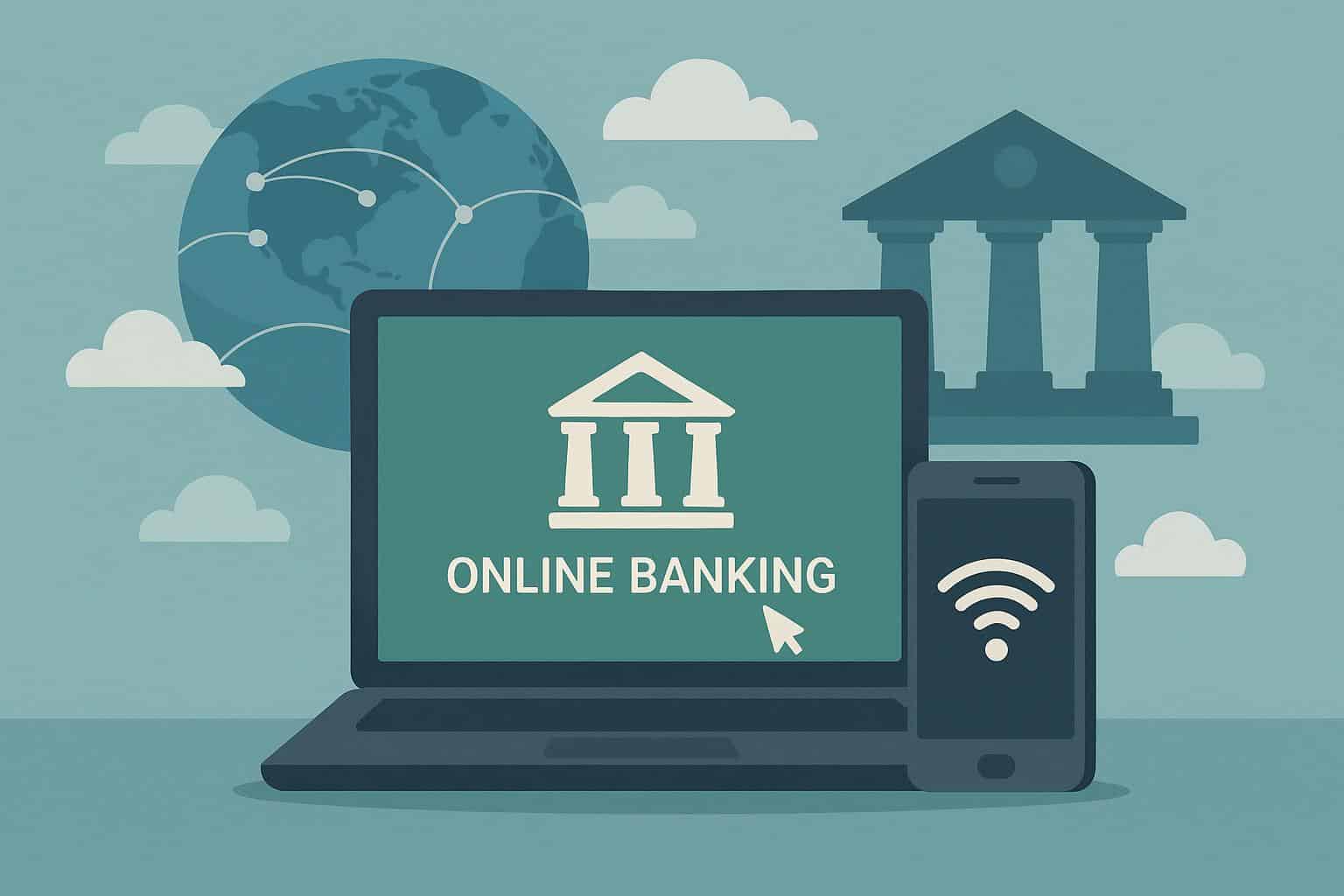
For decades, the physical bank branch was the gatekeeper of financial services. If you wanted a loan, you went to the building on the corner. If you needed to deposit a check, you waited in line. The internet dismantled this brick and mortar requirement by digitizing the trust that once required a face to face handshake.
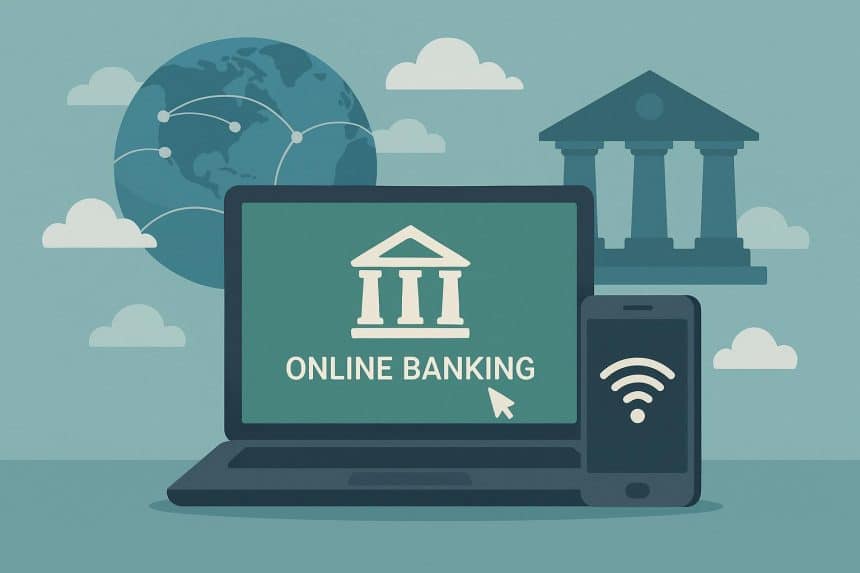
Now, the “where” of your bank matters significantly less than the “how” of its interface. Digital platforms allow for every traditional service to happen in the palm of your hand. We no longer look for the nearest ATM as our primary point of contact. Instead, we look for stable Wi-Fi. This has allowed a new generation of people to live more mobile lives, whether they are digital nomads or simply families who do not want to change banks every time they move for a new job.
Empowerment Through Personal Banking
When conversations turn to technology and money, they often focus on abstract ideas like global markets or emerging financial systems. Yet the most meaningful change happens at a much more practical level — in everyday personal banking and how it fits into daily life. Being able to manage savings, pay bills, and monitor transactions through a single digital platform removes much of the friction that once made banking feel rigid and time-consuming.
This shift gives people a greater sense of control over their finances. Instead of relying on branch hours or physical locations, online-first services allow personal banking to happen wherever life does. SoFi personal banking platform reflects this evolution by combining checking and savings into a streamlined, digital experience designed for long-term use rather than short-term convenience.
That continuity matters. When your banking setup isn’t tied to a specific address or branch, it becomes easier to maintain financial stability through life changes. Rather than constantly opening and closing accounts, people can focus on building habits, growing savings, and managing money with confidence over time.
The Technology Behind the Seamless Transition
Several key technological shifts made this location independence possible. The first was the rise of secure mobile applications. Once encryption and biometric security became standard, the risk of banking on the go dropped significantly. People began to trust their phones as much as they trusted a vault.
The second shift was the automation of traditional banking tasks. Features like mobile check deposit and instant peer-to-peer transfers removed the final reasons to visit a physical location. When you can scan a check with a camera and send money to a friend with a tap, the walls of the bank branch effectively disappear.
The third shift is the cloud. By moving data away from local servers and into the cloud, financial institutions can provide real-time updates to users anywhere on the planet. This ensures that whether you are checking your balance in New York or New Delhi, the information is accurate and immediate.
A New Way of Living
This shift has enabled a lifestyle that was once reserved for the ultra-wealthy. Today, anyone with a remote job and a digital bank account can choose where they want to live based on quality of life rather than proximity to a corporate office or a specific bank branch.
We are seeing a rise in “geographic arbitrage,” where people earn money in one economy and spend it in another where the cost of living is lower. None of this would be possible without a banking system that functions perfectly across borders and time zones. The internet didn't just give us social media and email; it gave us the ability to carry our entire financial infrastructure in our pockets.
The Future of Boundaryless Finance
As we look ahead, the lines between different types of financial services will continue to blur. We are moving toward a world where your location is completely irrelevant to your financial potential. The internet has acted as a great equalizer, giving people in rural areas the same access to sophisticated financial tools as those living in major financial hubs.
The quiet revolution of location-independent banking is finished. We have arrived at a point where our money is as mobile as we are. It is a quiet freedom, but it is one that has changed the way we view our careers, our homes, and our futures.