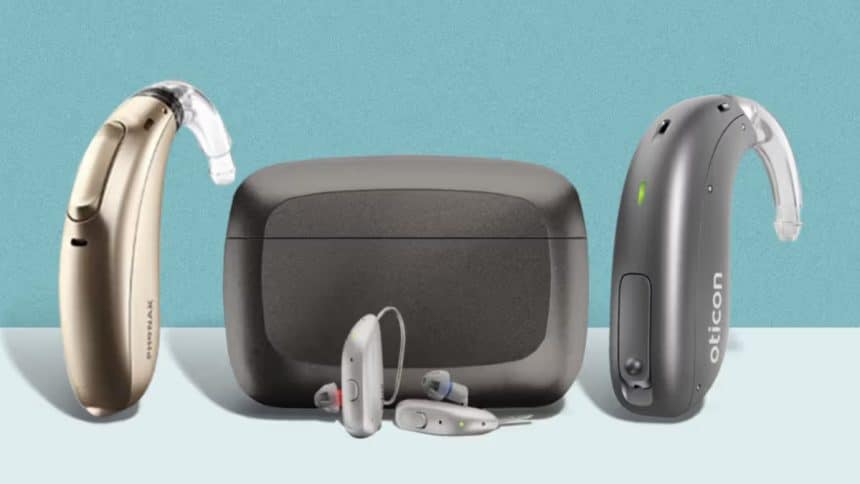
The hearing aid industry has seen significant advancements in recent years and is now poised to usher in a new era of innovation. Many of these developments focus not only on improving hearing experience but also about ensuring that these devices are discrete, multi-functional and integrate seamlessly into the user’s lives. From AI-driven personalization and better noise management to improved battery life and more eco-friendly models – we can expect 2024 to be a landmark year for hearing aid technology.
The Latest Innovations in Hearing Aid Technology
1. Enhanced Sound Quality
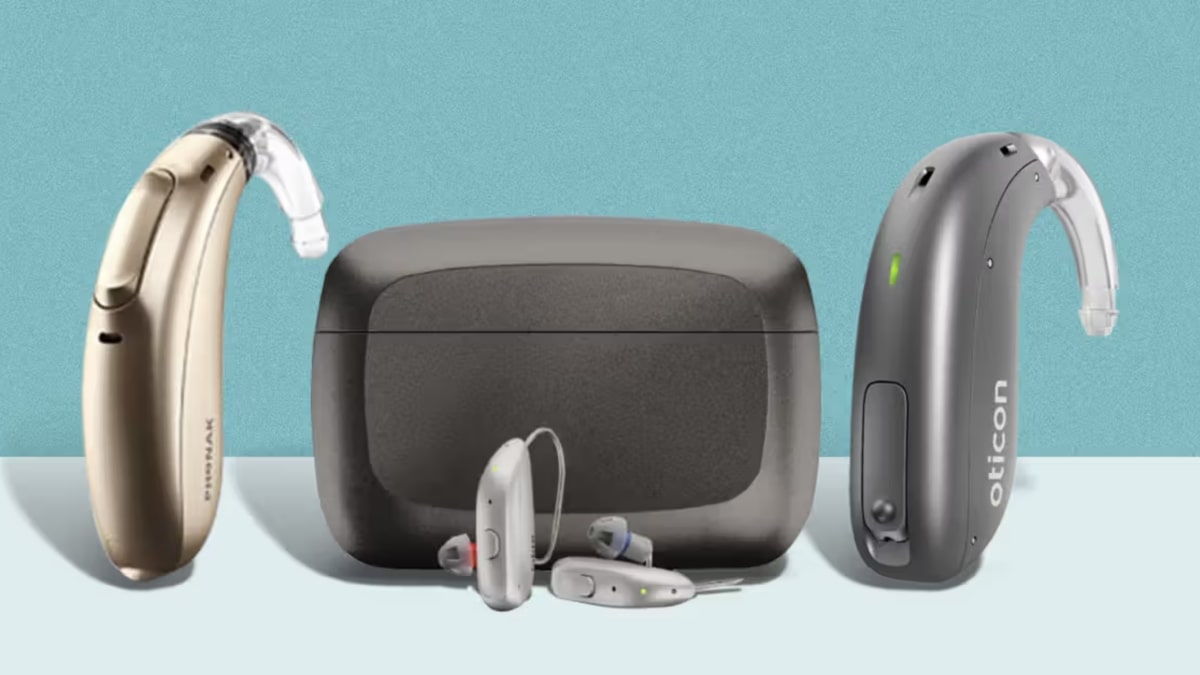
In 2022, OTC (over-the-counter) hearing aids were introduced to the market so that consumers could buy them directly without the need for a prescription. There’s no doubt that prescription hearing aids offer better sound quality but they also come with a hefty price tag. For example, prescription Oticon Own costs about $7000 for a pair while the OTC Audien Atom Pro costs less than $250. However, both OTC and prescription brands have been working on enhancing sound quality so you can expect good quality sound even from some OTC hearing aids. You can compare the best hearing aids both prescription and OTC to see which of the newer models offer the best sound quality within your budget.
2. AI-Powered Personalization
The term “hearing loss” is an umbrella term that covers different types of hearing loss. Each person is different from the cause and extent of hearing loss to the frequencies. Artificial intelligence is changing the way hearing aids operate as they automatically adjust to different environments without the user needing to constantly change the settings on these devices. For instance, if a user is in a restaurant, their hearing aids automatically reduce background noise and improve the sound clarity of the voices of their dinner companions. This is possible through something called a Deep Neural Network (DNN) which mimics the way the human brain learns. In 2024, we will see more sophisticated DNN models that learn your preferences and are able to balance sounds better and prioritize the ones that are important to you.
3. Enhanced Connectivity with Bluetooth Low Energy Audio
Bluetooth technology revolutionized hearing aids by enhancing their functionality, connectivity, and user experience. Bluetooth-enabled hearing aids allow you to directly stream calls, music and other media from smartphones, tablets, TVs and other devices. However, Bluetooth usage increases battery drain which is where Bluetooth Low Energy Audio enters. Bluetooth Low Energy Audio has lower power consumption and better sound quality compared to “classic” Bluetooth. In 2024, we can expect to see more hearing aid models that utilize this technology for better connectivity with multiple devices while conserving battery life.
4. Health Monitoring Features
Hearing aids are now being equipped with sensors that monitor various vital health parameters. Some measure heart rate which can detect irregularities while others can help track activity just like a regular fitness tracker. Hearing aids will also be able to pair with other wearable healthcare technology which can assess health over time to make it a more comprehensive health management device. Currently, only a few hearing aid models come equipped with fall detection technology which can alert emergency contacts in case of a fall but we are likely to see an increased use of this technology in 2024.
5. Improved Battery Life
Earlier, most hearing aids required disposable batteries. The batteries come in different sizes that are color-coded to make it easier for buyers to identify the ones they require. The smallest size is the size 10 which is yellow and lasts just three to seven days while the largest is the 675 which is blue and lasts up to 20 days. The problem with disposable batteries is that people with dexterity issues can have trouble changing their batteries, they are not eco-friendly, and they can land up costing a lot more over time. In 2024, there’s been a surge in models that offer both the disposable battery and rechargeable option. Rechargeable hearing aid batteries draw from NASA research and they are known for their durability and capacity. Some of them last up to 24 hours of continuous use on a single charge. The recharge time has also decreased significantly which makes it easier to recharge them. Most can also be connected to power banks so that even if there’s a power outage, you will still be able to recharge your hearing aids.