

URL shorteners are small but powerful tools in the world of digital communication. They take long and cumbersome URLs and transform them into concise, easy-to-share links. While they are popular for simplifying web addresses, the impact of URL shorteners on user experience and engagement goes beyond just shortening a link. In this article, we explore how URL shorteners affect both users and content creators, delving into their benefits, potential drawbacks, and best practices for their effective use.
What Are URL Shorteners?
A URL shortener is a tool that converts a long URL into a shorter version without losing its functionality. By using a short URL, it becomes easier to share links across different platforms like social media, emails, and websites. The shortened URL is typically more manageable, allowing users to quickly type, share, or embed it.

For example, instead of sending a long URL like:
https://www.example.com/blog/2024/december/impact-of-url-shorteners-on-user-experience-and-engagement
You might send:
https://short.ly/xyz123
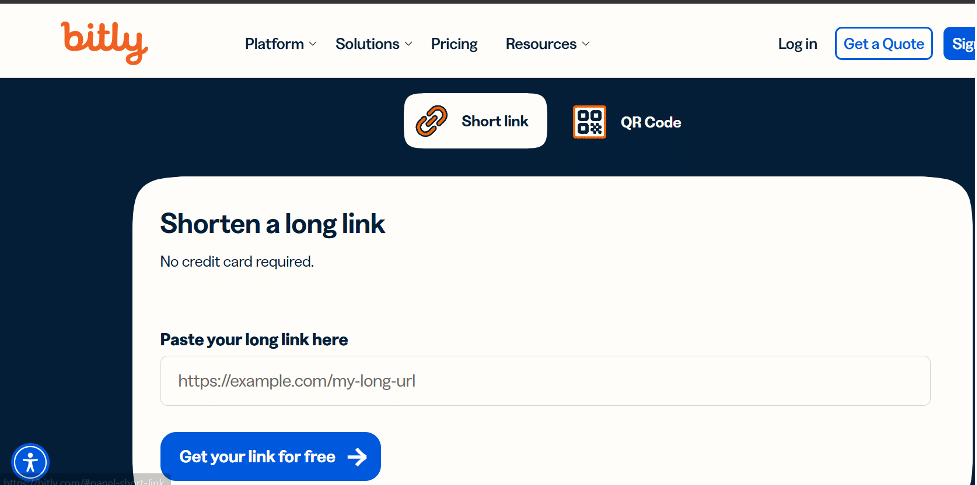
This is just one instance of how URL shorteners work. There are several URL shortening services, such as Bitly, TinyURL, and Google URL Shortener, each offering slightly different features, but all of them provide the same basic function—shortening a link for ease of use and sharing.
The Benefits of URL Shorteners
1. Enhanced User Experience
One of the most significant advantages of URL shorteners is their ability to enhance the user experience. Long URLs can be visually overwhelming, especially when shared on platforms like social media or email. A short URL, on the other hand, looks cleaner and more approachable.
Shortened links are particularly useful on platforms with character limits, such as Twitter, where every character counts. With limited space, a short URL allows more room for additional text, making the message clearer and more concise.
Additionally, long URLs are often prone to formatting errors, especially in printed materials or when included in emails. They may break across lines, leading to broken links. Short URLs are easier to manage and less likely to cause these issues, which improves the overall experience for users.
2. Increased Engagement
Short URLs have been shown to encourage higher engagement, primarily because they are visually appealing and easier to share. When users see a clean, short link, they are more likely to click on it. This is especially true for mobile users, where small screens can make long URLs cumbersome to navigate.
Moreover, shortened URLs can be branded. Many URL shortening services, like Bitly, offer users the ability to create custom short links with their branding. This branded link not only makes the URL more recognizable but also increases trust, as users are more likely to engage with a link from a brand they know and trust.
3. Improved Tracking and Analytics
URL shorteners provide valuable tracking and analytics that can improve both user engagement and overall strategy. With a URL shortener, you can monitor how often a link is clicked, where the clicks are coming from, and which devices are being used. This information allows content creators and marketers to assess the effectiveness of their campaigns and make data-driven decisions.
For instance, if a particular campaign URL gets significant clicks from a certain region or demographic, this insight can inform future strategies. By understanding user behavior, businesses can create more targeted content and refine their marketing efforts.
4. Increased Click-Through Rates (CTR)
Studies have shown that shortened URLs tend to have higher click-through rates (CTR) compared to longer ones. This is because users often feel more confident clicking on a URL that is clean and simple. A short URL reduces any concerns about whether the link is trustworthy, especially when paired with a recognizable brand name.
Additionally, short links can be more memorable, making it easier for users to remember and return to specific pages later. This increase in user interaction ultimately boosts engagement and can lead to a higher level of user retention.
The Potential Drawbacks of URL Shorteners
1. Loss of Context
While URL shorteners make links easier to share and manage, they can also obscure important information that could be valuable to the user. When a URL is shortened, users no longer know where the link will take them at a glance. This can potentially lower trust, as users are less likely to click on a link if they don’t know what to expect.
This is a particularly significant concern when using shortened URLs in emails or on social media. A URL that leads to a well-known, reputable site might be trusted, but a link with an unfamiliar domain could raise suspicion. As a result, users might avoid clicking altogether, which can decrease engagement.
2. Link Expiry and Unreliability
Another potential drawback of URL shorteners is that the links they generate may expire after a certain period. While this isn’t always the case, many URL-shortening services have policies that limit the lifespan of a shortened link. This means that a once usable link might no longer work after a few months or years.
Additionally, the reliability of URL shorteners can be questionable. If a shortener service experiences downtime or shuts down entirely, all links created using that service could break. This can be frustrating for users and can negatively affect the user experience, especially if the link was shared in a marketing campaign or on high-traffic platforms.
3. Security Concerns
Shortened URLs can potentially be used for malicious purposes. Since users can’t see the full URL, they might be more susceptible to phishing attempts, malware, or other cyberattacks. Attackers can disguise harmful websites behind seemingly harmless shortened links.
To mitigate this risk, users should be cautious when clicking on shortened URLs, particularly if they come from unknown or suspicious sources. Some services offer the ability to preview shortened URLs before clicking, which can help mitigate this risk. However, not all services provide this feature, so users must remain vigilant.
4. SEO Implications
From an SEO perspective, URL shorteners can have mixed effects. While a short URL itself doesn’t directly affect search engine rankings, it can influence user behavior and indirectly affect SEO.
For example, a link that receives more clicks may signal to search engines that the content is valuable, potentially improving rankings. However, if the URL shortener service is not well-optimized for SEO, it could negatively impact how search engines perceive the link. In particular, using generic shortening services like Bitly may prevent the full URL from being indexed, limiting the visibility of the original content.
Best Practices for Using URL Shorteners
To maximize the benefits of URL shorteners while minimizing potential drawbacks, consider the following best practices:
1. Choose a Reliable Service
Select a URL shortening service that is reliable, has good uptime, and offers robust analytics. Services like Bitly, TinyURL, and Rebrandly are popular choices, offering both free and paid plans, depending on your needs.
When choosing a service, look for one that provides tracking tools, branded URLs, and preview features to enhance security and improve user engagement.
2. Use Custom, Branded Links
Whenever possible, create custom short links that incorporate your brand name. A branded URL adds credibility and can help build trust with users, increasing the likelihood they will engage with your content.
For example, instead of using a generic shortened link like https://bit.ly/xyz123, use something more specific like https://mybrand.co/special-offer. This makes the URL more recognizable and reinforces your branding.
3. Avoid Overuse of URL Shorteners
While URL shorteners are useful, it’s important not to overuse them, especially when sharing links to content that users are likely to want to revisit. If your link is shared repeatedly over a long period of time, consider using a more permanent link structure.
Short URLs are great for social media posts or temporary campaigns, but for long-term content, a clean, descriptive URL may be more appropriate.
4. Preview Your Links
Encourage users to preview your shortened URLs before clicking, especially in emails or on social media. Providing a link preview ensures that users feel confident in clicking the link, knowing where it will lead. Many shortening services offer a preview feature that allows users to see the destination URL before they actually visit the site.
5. Monitor Analytics
Utilize the analytics provided by your URL shortening service to track engagement and optimize future campaigns. By monitoring how often your links are clicked, where the traffic is coming from, and what devices users are using, you can gain valuable insights into your audience and adjust your marketing strategy accordingly.
FAQs
Q: Are URL shorteners safe to use?
A: URL shorteners are generally safe, but there are security risks involved, especially if the links come from unknown sources. To stay safe, only click on links from trusted providers, and use services that offer a preview feature to see where the link will lead before you click.
Q: Do URL shorteners affect SEO rankings?
A: URL shorteners themselves do not directly impact SEO rankings, but they can influence user behavior. Links that are clicked more often can indirectly improve search rankings by signaling value to search engines.
Q: How can I track the performance of my short URLs?
A: Most URL shortening services provide tracking tools that allow you to see how many clicks a link has received, where the clicks are coming from, and what devices are being used. This information is valuable for assessing the effectiveness of your marketing campaigns.
Conclusion
URL shorteners are a powerful tool for improving user experience and increasing engagement. They offer several benefits, including cleaner, easier-to-share links, better tracking, and higher click-through rates. However, they also come with potential drawbacks, such as security concerns and the loss of context. By using URL shorteners wisely—choosing reliable services, customizing links, and monitoring performance—you can harness their benefits while minimizing their risks. Ultimately, when used correctly, URL shorteners can enhance your digital presence, improve user engagement, and support your marketing efforts.