In today’s fast-paced manufacturing world, delivering flawless products is more than a goal — it’s a necessity. Companies are now leaning on advanced automation for production quality to catch defects before they leave the production line. By integrating IoT sensors into their processes, manufacturers gain real-time insights that drive efficiency and accuracy. This technology, combined with AI solutions like those offered by Lincode, is revolutionizing how industries approach quality control.
What Are IoT Sensors and How Do They Work?
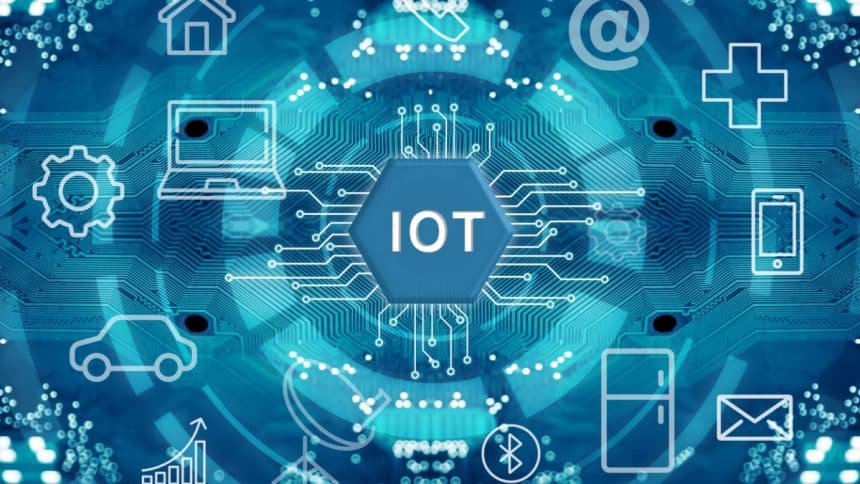
IoT (Internet of Things) sensors are smart devices embedded in machines and production lines that collect and transmit data. These sensors continuously monitor variables such as temperature, pressure, vibration, and even visual data, feeding this information into a centralized system. Paired with AI algorithms, this real-time data helps identify abnormalities or defects instantly — long before human inspectors can spot them.
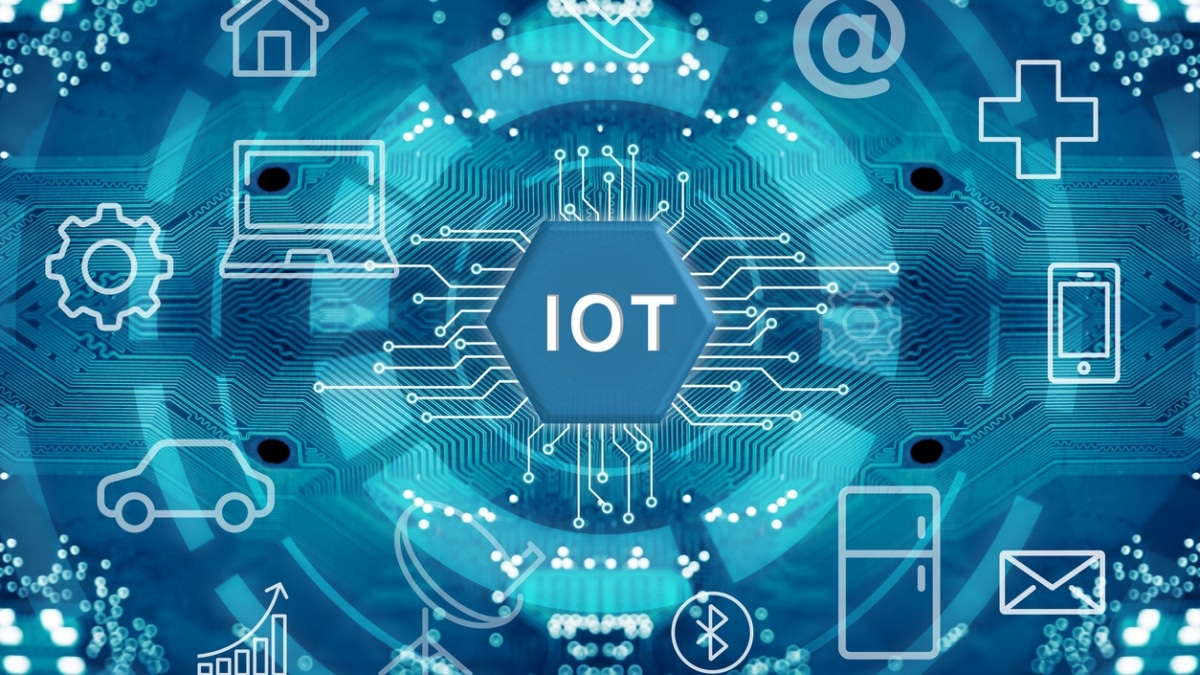
Imagine a conveyor belt producing thousands of components per hour. IoT sensors can capture micro-level defects, like tiny surface cracks or irregular shapes, sending alerts to operators and triggering automatic corrections.
Real-Time Defect Detection: Why It Matters
Real-time defect detection is crucial because traditional manual quality control methods are slow and prone to human error. By the time a flaw is noticed, entire batches might already be compromised. With IoT sensors, manufacturers can detect issues the moment they occur, preventing defective products from moving further down the line. This not only reduces waste by catching flaws early but also boosts customer satisfaction by ensuring high-quality products reach the market. The ability to respond instantly minimizes product recalls, cuts downtime, and streamlines production processes.
How IoT Sensors Enhance AI for Manufacturing Quality Control
IoT sensors work hand-in-hand with AI for manufacturing quality control to elevate accuracy and efficiency. AI systems process the constant stream of data from sensors and identify patterns or anomalies that humans might miss. For example, AI algorithms can recognize minuscule variations in product size or color, analyze historical data to predict when defects are most likely to occur, and suggest preventive actions such as recalibrating machines or adjusting temperatures. This combination of AI and IoT sensors not only detect flaws but also helps prevent them from happening in the first place.
Advanced Automation for Production Quality: A Game-Changer
The integration of IoT sensors into advanced automation for production quality is transforming manufacturing in profound ways. Automated systems use sensor data to make split-second decisions, ensuring products meet exact specifications without human intervention. In a smart factory, machines can automatically adjust their settings the moment a sensor detects a deviation. This level of precision means fewer defects, faster production cycles, and a stronger bottom line. Companies leveraging these automated solutions gain a competitive edge by delivering consistent, high-quality products with minimal downtime.
Real-World Applications of IoT-Driven Quality Control
Industries across the board are adopting IoT-driven quality control strategies. In the automotive industry, sensors track the exact dimensions of car parts, ensuring perfect alignment and preventing defects that could lead to safety issues. The food and beverage sector uses IoT sensors to monitor temperature, humidity, and contamination risks in real-time, guaranteeing product safety and compliance with health standards. In electronics manufacturing, tiny sensors detect circuit board defects, stopping malfunctioning devices from reaching consumers.
According to a recent study, IoT applications in manufacturing could generate up to $3.7 trillion in value by 2025, largely driven by quality improvements and predictive maintenance. Similarly, Deloitte highlights how smart factories using IoT and AI can achieve up to 20% higher production output and 30% improved labor productivity by optimizing real-time defect detection processes.
Overcoming Challenges in Implementing IoT Sensors
Integrating IoT sensors into manufacturing isn’t without its challenges. Companies may face high initial costs as investing in new technology can be expensive, but the long-term savings often outweigh the upfront price. Data overload is another hurdle, as managing the massive amount of information IoT devices produce requires robust infrastructure and AI systems. Cybersecurity risks must also be considered, as protecting sensor data from hacks is crucial to maintaining operational security. Despite these challenges, the benefits — faster defect detection, reduced waste, and enhanced product quality — make the investment worthwhile.
Final Thoughts
The future of manufacturing lies in the seamless combination of IoT sensors and advanced automation for production quality. Real-time defect detection not only minimizes errors but also streamlines operations and boosts customer confidence. As AI and IoT technologies continue to evolve, companies that embrace these innovations will set the standard for efficiency and excellence.
Want to explore how AI-powered solutions can elevate your quality control processes? Discover cutting-edge automation tools at Lincode. By leveraging IoT sensors and AI, the path to flawless production has never been clearer.