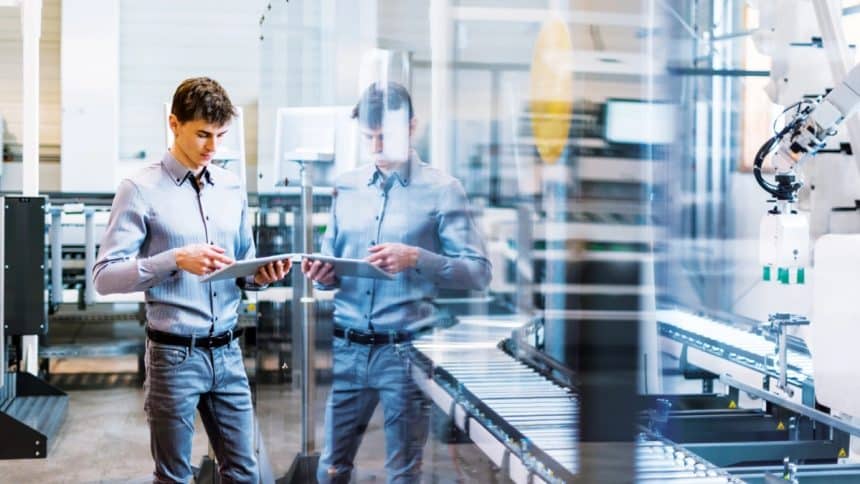
The manufacturing of televisions, a cornerstone of the consumer electronics industry, has dramatically evolved from manual assembly lines to highly automated and technologically advanced production processes. Industrial automation, especially the integration of servo drive controllers, has played a pivotal role in transforming TV manufacturing into a realm of precision, efficiency, and innovation. This article explores the integration of industrial automation in TV manufacturing, highlighting its benefits, challenges, and the critical role of servo drive controllers in modern production lines.
The Evolution of TV Manufacturing
Historically, TV manufacturing involved significant human labor, with manual assembly dominating the process. As technology progressed, the industry saw a shift towards automation to meet increasing consumer demands for higher quality and more reliably produced televisions at lower costs. The introduction of automation in electronics manufacturing began with simple mechanized systems for component insertion and has advanced to fully automated systems capable of handling intricate tasks across the entire production line.
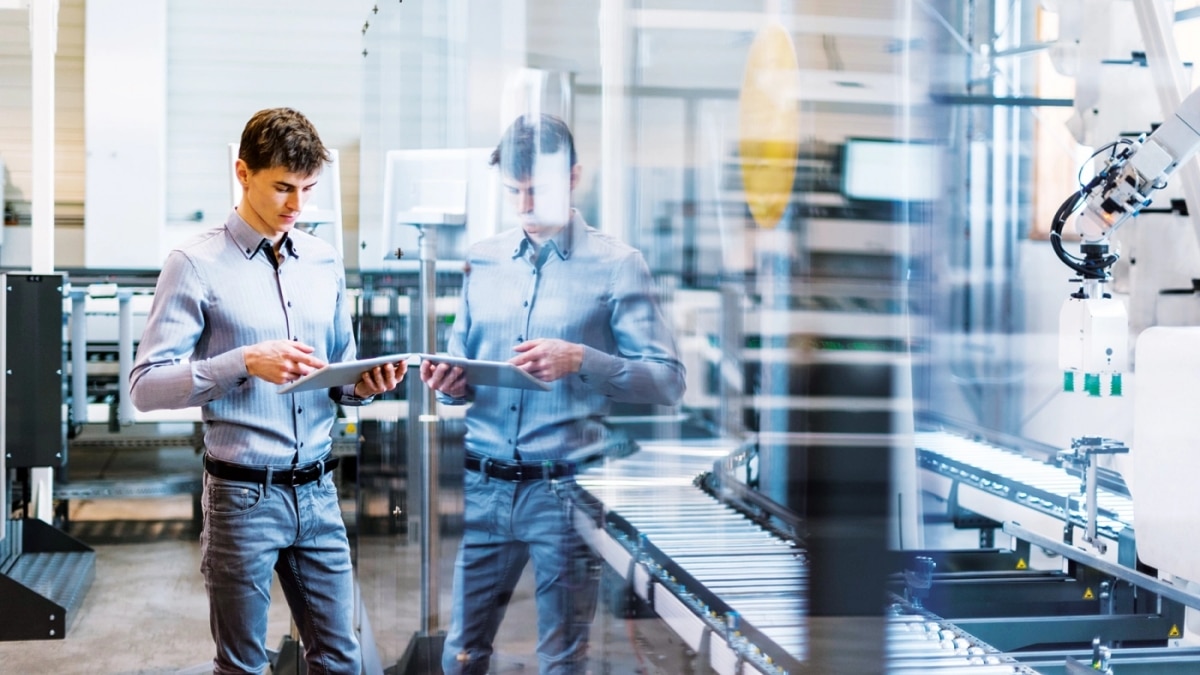
Key Stages of Automated TV Manufacturing
1. Component Placement and Soldering: In the initial stages of TV manufacturing, various electronic components such as resistors, capacitors, and integrated circuits must be accurately placed on printed circuit boards (PCBs). This task is performed by automated pick-and-place machines, which are controlled by servo drive controllers. These controllers ensure that each component is placed with high precision and consistency, essential for the functional integrity of the television.
2. Soldering: After placement, components are soldered to the PCBs using automated soldering processes such as reflow or wave soldering. Servo drives control the movement and speed of the conveyor systems that pass the PCBs through the soldering equipment, ensuring that each board is exposed to optimal temperatures for the correct amount of time to create strong, reliable solder joints.
3. Screen Assembly: The assembly of the television screen, whether LCD, LED, or OLED, involves layering various materials and components including backlights, diffusers, and liquid crystal panels. Automation systems, guided by servo drive controllers, manage the precise alignment and assembly of these layers, critical for achieving the best visual quality and performance.
4. Testing and Quality Control: Automated testing stations equipped with cameras and sensors assess each television for functional and aesthetic defects. Tasks include checking for dead pixels, color accuracy, and input functionality. Servo drives are used to adjust the positions of testing equipment and the TVs themselves, facilitating comprehensive and efficient quality assessments.
5. Packaging: Finally, the finished TVs are packaged in an automated process where boxes are assembled, and units are securely placed with protective packaging. Servo drive controllers manage the machinery responsible for lifting, moving, and packaging the TVs, ensuring they are ready for shipping without damage.
Benefits of Automation in TV Manufacturing
1. Enhanced Productivity: Automation allows for the continuous and efficient production of televisions, significantly increasing output compared to manual processes. This is crucial in an industry characterized by high consumer demand and rapid product turnover.
2. Improved Quality and Consistency: The precision provided by servo drive controllers such as the DKC02.3-100-7-FW in automated systems ensures that every television meets strict quality standards. This uniformity is essential for maintaining brand reputation and customer satisfaction.
3. Cost Reduction: While the initial investment in automated systems can be substantial, the long-term savings on labor costs and the reductions in waste lead to significant financial advantages.
4. Safety: Automation reduces the need for human workers to perform repetitive or potentially hazardous tasks, thereby decreasing the risk of workplace injuries.
Challenges of Automation in TV Manufacturing
Despite its many benefits, the shift towards full automation in TV manufacturing presents several challenges:
1. High Initial Investment: The cost of implementing state-of-the-art automated systems, including those powered by advanced servo drive controllers, can be prohibitive, especially for smaller manufacturers.
2. Technical Complexity: The operation and maintenance of automated systems require a skilled workforce trained in both the mechanical and software aspects of modern manufacturing technology.
3. Dependence on Technology: With increased automation, manufacturers become more dependent on the reliability of their machines and control systems. This can pose risks if there are failures in the automation infrastructure, leading to potential downtime and productivity losses.
Future Outlook
As technology continues to evolve, TV manufacturing is likely to see further advancements in automation. The integration of artificial intelligence and machine learning could lead to even smarter manufacturing systems that can predict maintenance needs, adapt to changes in production requirements, and optimize energy consumption.
Conclusion
Industrial automation, particularly through the use of servo drive controllers, has reshaped the landscape of TV manufacturing. This evolution from manual assembly to automated precision drives not only the efficiency and quality of television production but also sets the stage for future innovations. As manufacturers continue to harness the power of advanced automation technologies, the potential for further enhancing productivity and reducing costs remains vast, promising a dynamic future for the television manufacturing industry.