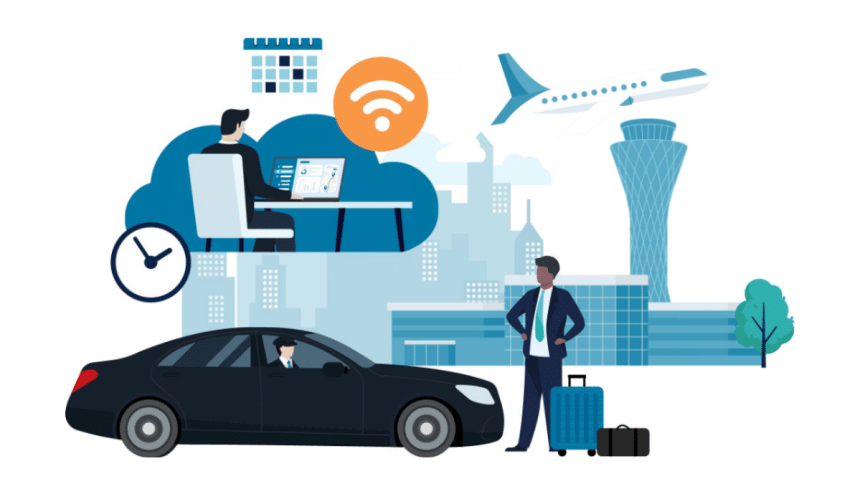
The chauffeur service industry, long synonymous with luxury and exclusivity, is undergoing a profound transformation driven by digital technology. This shift is not just about integrating the latest gadgets but fundamentally redefining how services are delivered and experienced. Digital transformation empowers service providers enhancing operational efficiency, elevating customer experiences, and setting new standards for service providers worldwide.
Streamlined Booking and Dispatch Systems
One of the most significant impacts of digital shift is on booking and dispatch systems. Traditionally, booking a chauffeur service required phone calls, emails, or in-person arrangements. Today, advanced online booking platforms such as mehditravelservices.com have revolutionised this process, making it seamless and user-friendly. Customers can now book rides instantly through apps or websites, specifying their preferences and requirements with just a few clicks. These digital platforms often come with real-time tracking features, allowing clients to monitor their chauffeur’s location and estimated arrival time, enhancing convenience and reliability.
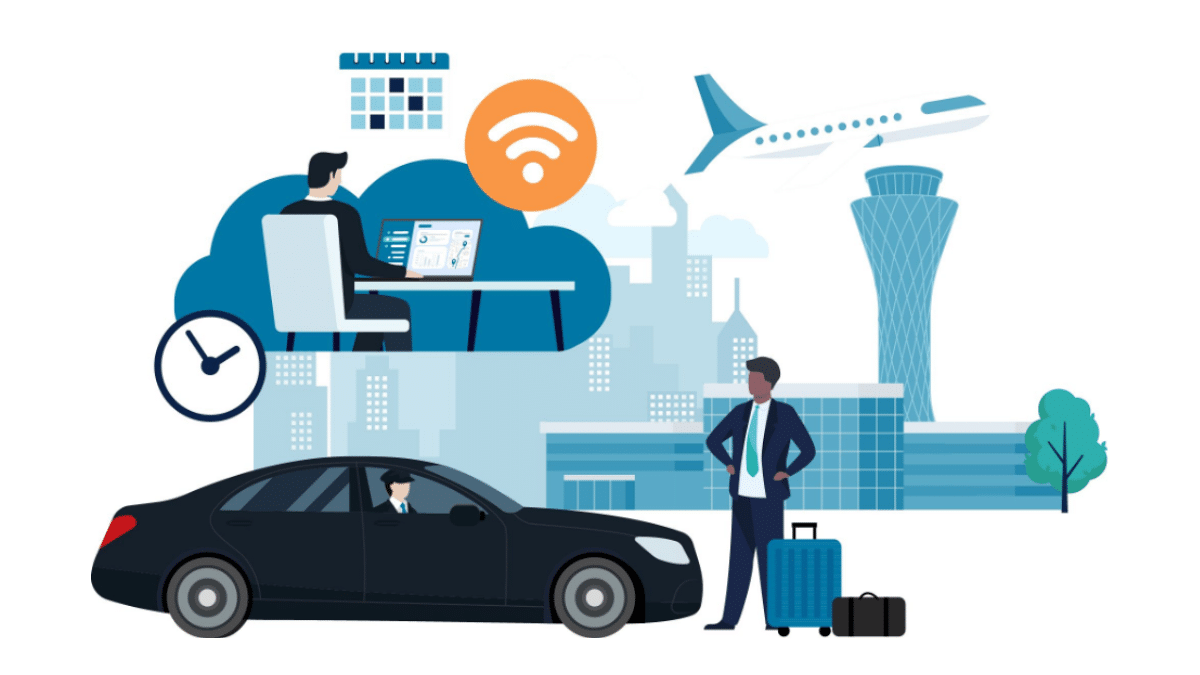
For service providers, digital dispatch systems optimise resource allocation by efficiently matching chauffeurs and vehicles to customer requests. Algorithms consider proximity, traffic conditions, and vehicle availability, ensuring timely and cost-effective service. This reduces idle times and operational costs, ultimately improving profitability.
Enhanced Customer Experience
Digital transformation significantly enhances the customer experience, offering personalisation and convenience previously unattainable. In-car technology, such as Wi-Fi, entertainment systems, and climate control, allows passengers to tailor their environment and stay connected. Moreover, mobile apps enable customers to manage their bookings, make changes, and communicate with their chauffeur in real time, demonstrating the industry’s commitment to their needs.
Personalisation is a crucial benefit of digital transformation. Advanced data analytics enable service providers to gather insights into customer preferences and behaviour. This data can be used to offer executive recommendations, anticipate needs, and ensure that every journey is tailored to the client’s expectations. For instance, a regular client might prefer a specific type of music or beverage, which can be arranged in advance, enhancing the overall travel experience.
Safety and Security Enhancements
Integrating digital technology has also brought significant improvements in safety and security. Modern chauffeur vehicles have advanced safety features such as collision avoidance systems, lane departure warnings, and 360-degree cameras. These technologies not only ensure a safer journey but also provide peace of mind to clients.
Furthermore, digital systems enhance security by enabling thorough background checks and continuous monitoring of chauffeurs. GPS tracking and real-time communication tools allow service providers to ensure drivers adhere to designated routes and schedules while providing passengers an added layer of security.
Operational Efficiency and Cost Reduction
Digital transformation streamlines operations, leading to increased efficiency and reduced costs. According to a recent study, service providers that have adopted digital technologies have seen a 23% increase in efficiency and a 32% reduction in costs. Automation is crucial in handling scheduling, billing, and customer communications tasks. By reducing the reliance on manual processes, service providers can minimise errors, lower administrative costs, and improve service delivery speed.
Advanced fleet management systems enable real-time vehicle performance, maintenance needs, and fuel consumption monitoring. Predictive maintenance algorithms can forecast potential issues before they become serious problems, reducing downtime and extending vehicle lifespans. This proactive approach ensures reliable service and optimises the overall cost of fleet management.
Sustainable Practices
Digital transformation also promotes sustainability within the chauffeur service industry. Electric and hybrid chauffeur-driven hire cars are becoming increasingly popular as service providers seek to reduce their environmental footprint. Digital fleet management tools help optimise routes and reduce unnecessary mileage, contributing to lower emissions.
Furthermore, digital booking and payment systems reduce the need for paper, aligning with broader sustainability goals. By adopting these technologies, chauffeur service providers can enhance their green credentials and appeal to environmentally conscious customers.
Future Prospects
The future of chauffeur service providers is brimming with possibilities. Arising technologies like artificial intelligence (AI) and machine knowledge will further enhance personalisation and operational efficiency. AI-powered chatbots can handle customer inquiries, provide instant support, and assist with bookings. At the same time, machine learning algorithms can predict customer preferences and optimise service delivery, paving the way for an exciting future.
The integration of autonomous vehicles represents a potential revolution in the industry. While fully autonomous chauffeur services may still be a few years away, semi-autonomous features can assist human drivers, improving safety and efficiency.
Conclusion
The digital transformation of chauffeur service providers is reshaping the industry, offering unprecedented levels of luxury, efficiency, and personalisation. By embracing advanced technologies, these providers enhance the customer experience, improve operational efficiency, and adopt sustainable practices. As digital innovation continues to evolve, the chauffeur service industry is set to reach new heights, offering clients an unparalleled blend of traditional luxury and modern convenience.