
Every game has its economy, but CS2 turned it into something that feels alive. Not just because of the numbers or the drops, but because of what those things mean to people. If you spend any time watching how players trade, you start to realize: this isn’t just commerce—it’s culture.
The CS2 marketplace might look like a regular digital exchange on the surface, but that’s missing the point. It’s more like a street bazaar where every booth tells a story. People don’t just buy CSGO skins or sell CS2 skins to profit—they do it to express taste, nostalgia, and sometimes, ego.
Underneath it all, there’s a rhythm—a quiet, human one—that money alone can’t explain.
Trading as a Kind of Self-Portrait
There’s something funny about how the word “market” doesn’t quite capture what happens here.
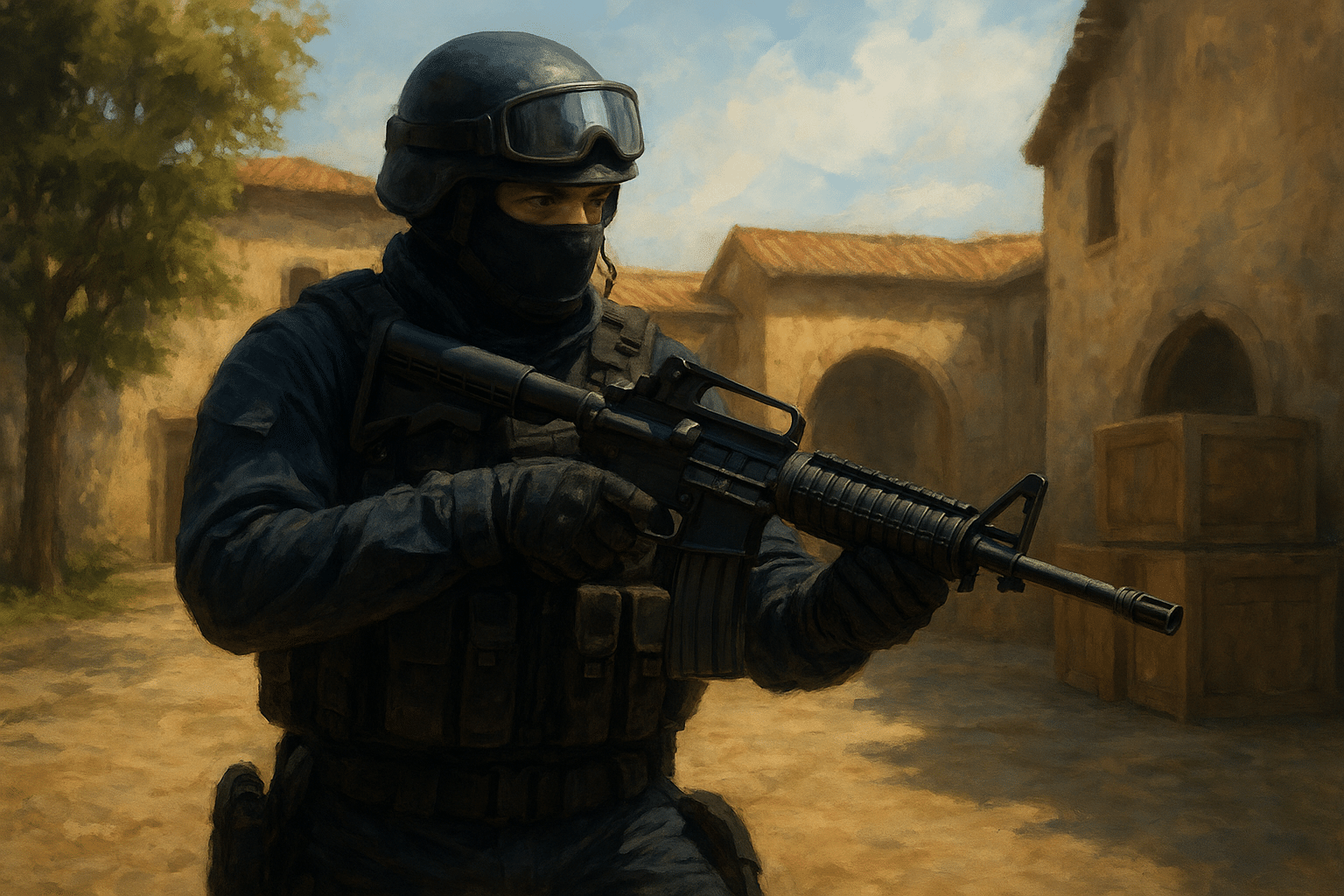
When players sell CSGO skins, it’s rarely just about cashing out. It’s about editing their in-game identity, reshaping how they show up on the battlefield. Someone swapping a fiery red M4 for a cold, metallic USP isn’t optimizing—they’re reinventing.
Every choice—every sale, every swap—comes from a feeling. That’s what makes Market CSGO skins and Market CSGO items more like creative platforms than trading posts.
A player might get tired of their loadout and flip everything overnight, chasing a “fresh start.” Another hoards limited skins from 2015 like they’re family heirlooms. There’s no formula for it, which is exactly why it works.
The Ceremony of the Spin
Then there’s the ritual we all know too well: the CSGO case opening.
It’s a kind of theater, really. The click, the whir, the blur of colors—you lean forward, heart ticking faster, as if your luck somehow owes you this one. You tell yourself it’s just for fun, but deep down, you’re already imagining the pull.
And when you don’t hit that rare knife? You sigh, maybe laugh, maybe swear, and then do it again. That loop is where culture happens.
Whole communities have sprouted around it—CSGO case opening simulators, stream compilations, reaction clips. It’s no longer just about gambling; it’s about the moment. The ceremony.
Ask around, and most players will admit: the best CSGO cases are tied to memories, not odds. The first case you ever opened. The skin that made you stay up all night trading. Every flick of that digital wheel carries a trace of who you were when it spun.
Scarcity: The Beautiful Illusion
Here’s the trick—scarcity in CS2 isn’t physical. These aren’t tangible goods. Skins don’t rust, fade, or crumble. But tell a crowd something’s rare, and you’ll watch desire bloom instantly.
That’s the heartbeat of the CS2 skins market. The illusion of rarity creates the real thing. People chase float values, pattern IDs, or those tiny, nearly invisible color differences as if they were precious metals.
And honestly, that obsession makes sense. In a world where everything can be copied, owning something that feels unique—however artificial that uniqueness may be—becomes a kind of power.
You can track CS2 case prices all day, but what drives them isn’t the math. It’s mood. It’s story. It’s collective imagination.
Patterns in Player Behavior
The CSGO skins for sale market is like a mirror—if you know what you’re looking at, it reflects us perfectly.
Every time prices rise or fall, there’s usually something human behind it. A major tournament happens and suddenly the AWP used by a top player doubles in price. A new update hits, and overnight, some forgotten pistol skin from 2016 becomes the “must-have” piece again.
It’s fascinating how quickly emotion translates into economy.
Even Reddit memes and Discord jokes can move CSGO skin prices faster than any algorithm. You’ll see traders rush in, flipping items not because they need to, but because it feels like everyone else is doing it.
That’s how the market breathes—through collective impulse.
When Trading Becomes Memory
Beneath all the speculation, there’s something tender about how people treat their inventories.
Old CSGO cases—the ones with outdated drops or discontinued knives—start gaining this sentimental glow. It’s not just rarity; it’s attachment. They remind players of earlier years, different metas, maybe even different versions of themselves.
Selling a piece from that era can feel weirdly personal. When someone decides to sell CSGO skins they’ve owned forever, it’s not just another trade—it’s a small goodbye. A symbolic closing of a chapter most people outside the community would never understand.
That’s the thing about this economy: it’s emotional before it’s logical.
The Split Between Market and Meaning
Economists like to simplify value. Rarity plus demand equals price. But that doesn’t really hold up here.
Take something like the AK-47 Redline. It’s not rare, not expensive, yet it’s cultural. Everyone recognizes it. It became the unofficial “everyman’s AK.” Its worth lives in memory, not scarcity.
That’s what makes CSGO culture unique. Market value and cultural value rarely move in sync. A skin can lose price but never lose respect. Some items stay iconic no matter how cheap they get, and that’s something no stock exchange can model.
Identity, Perception, and Play
What started as an in-game feature has turned into a form of digital fashion.
In CS2, every trade—every decision to buy CSGO skins or sell CS2 skins—becomes an act of curation. Players choose how they look, how they feel, how they’re seen.
A minimalist loadout says “I’m here to focus.”
A flashy, animated skin says “I’m here to be noticed.”
Neither is right or wrong—it’s just personality, rendered in pixels.
Communities talk about inventories like wardrobes. They share screenshots, debate float values, praise rare patterns. The CS2 marketplace has become a living mood board for digital identity.
The Real Value Isn’t Marketed
In the end, the CSGO and CS2 trading scenes aren’t about wealth or luck. They’re about people weaving meaning into the mundane.
The items themselves are just assets. What gives them power is the story—the memories of wins, the streaks of losses, the nights spent hunting a specific drop.
Scroll through Market CSGO skins sometime. You’ll see more than listings—you’ll see habits, hopes, and echoes of players building a shared world through value they made up together.
It’s a strange, beautiful economy. One where pixels become artifacts, and where culture—not price tags—decides what’s truly worth keeping.