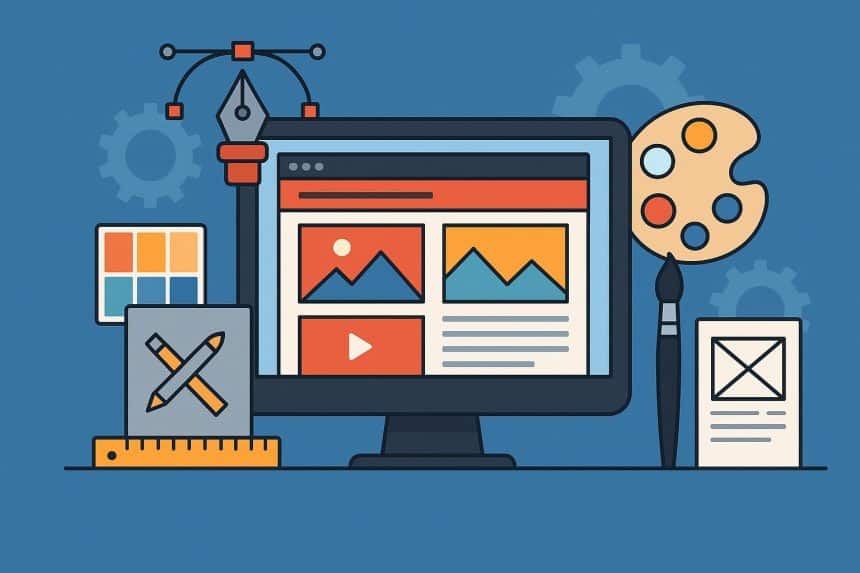
Your website is your online storefront. You could be selling artisanal purses or travel insurance. Either way, you need to build a website that translates your brand identity, clearly communicates what you do and offers an exceptional user experience. Creating a quality page takes a lot of work, but these days, it can be done a lot more smoothly with the help of website design services.
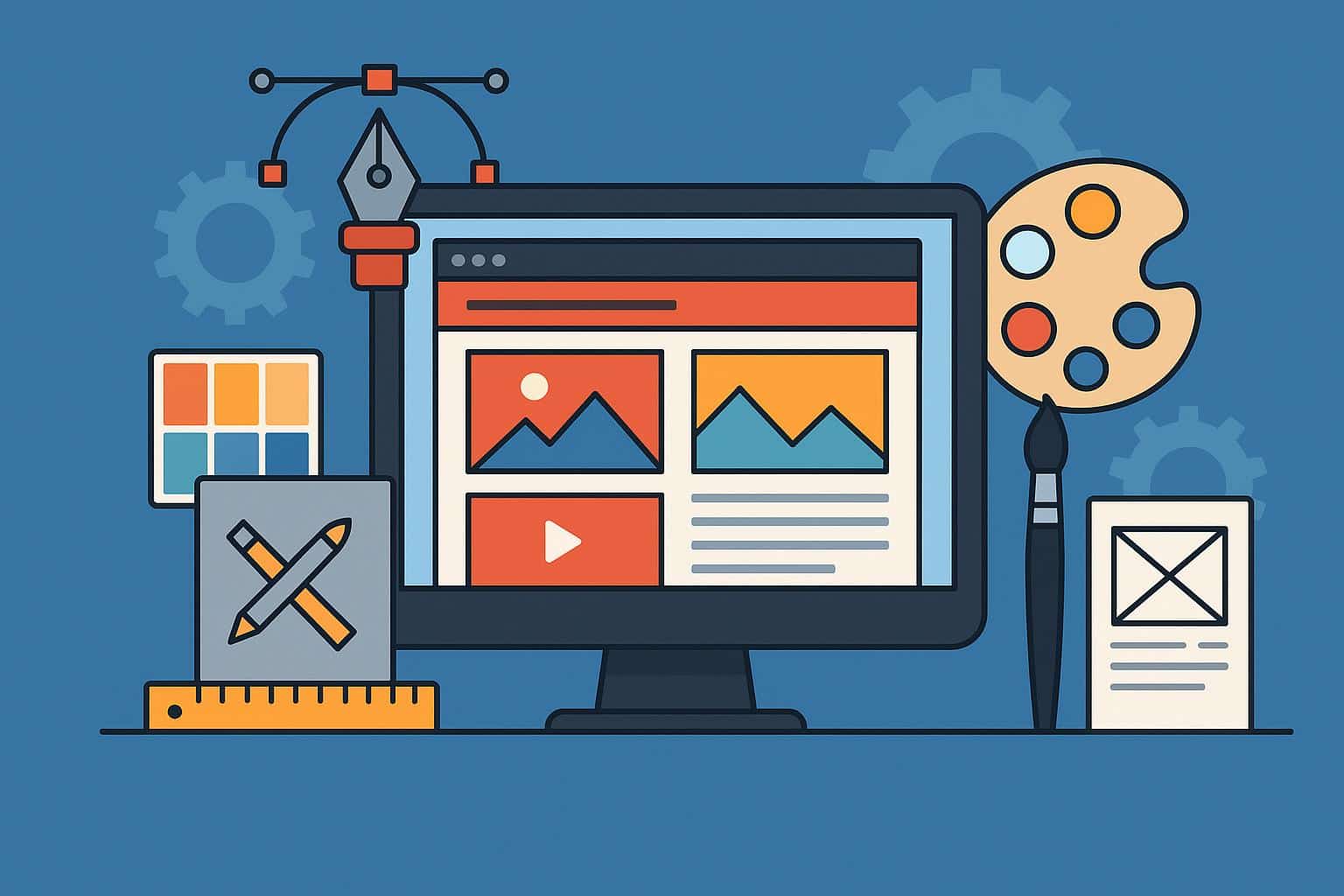
Website design services are platforms and engines that offer templates and formatting tools, so you can create your online base faster and more efficiently, rather than having to create the architecture from the ground up. Even a premium performance digital marketing agency might use them for clients, depending on their needs. This article will highlight seven of the best options, so you can build your perfect website.
All-in-one website builder SaaS platforms
This category of website designer platforms allow companies and individuals to create fully functional websites without the need for coding skills or hosting, along with offering security and maintenance features.
Squarespace
Squarespace is renowned for its stunning visuals, offering aesthetically pleasing templates that creative industries love for small business website design. It’s become one of the world’s leading platforms. It’s got a range of plans, spanning affordable options and more premium packages.
Shopify
Shopify is an eCommerce website design platform, perfect for sales-focused pages. It’s the go-to for many looking to build an online store, especially in the direct-to-consumer space, known for making the design function very easy.
Wix
Wix is popular for its user-friendliness, with the Wix Editor giving creators the ability to simply drag and drop design elements without any coding knowledge. It can also be specialised with a wide variety of apps, ideal for a range of small business website designers.
Content management systems (CMS)
These platforms aren’t quite as comprehensive, offering some web design elements, without the hosting and technical input totally managed. They’re generally a more popular voice for larger sites with complex functions and serious content.
Webflow
Webflow is a popular option that bridges the gap between all-in-one and full CMS systems. It offers the ability for business owners to create visual websites and produce semantic code side by side, offering developers extra control over drag-and-drop providers.
WordPress
WordPress is the world’s leading CMS and website design platform, powering around 40% of the sites on the web. It offers free versions, connected to the .org address, while also offering unlimited flexibility and a vast ecosystem of plugins. This allows businesses to truly create the website they need, whatever their requirements.
Professional design tools
For some people, website design services aren’t enough for the design assets and visual elements they need for their website, which is where these platforms come in. The assets can be crafted on these, then developed further on a CMS.
Figma
Figma is the industry standard for UX/UI design. It’s a cloud-based, highly collaborative tool that’s based entirely on the cloud, allowing teams to work together on mock-ups and prototypes. Most custom site design starts here.
Adobe Creative Suite
Adobe Creative Suite, such as Photoshop and Illustrator, are both visual design tools that many people use before populating their websites. It’s a great tool for custom graphics, icons, logos and icons.
Hiring web design services
Even with these design services available, it can still be pretty complicated and time-consuming to build a website. To get a properly functional, SEO-optimised website up and running takes a lot of time and manpower, especially if you’re using a CMS. That’s where professional digital marketing services can come in handy, ensuring you can spend the time on more pressing work matters.
With these design tools and guidelines, you should be well on your way to building a website that represents your business effectively.