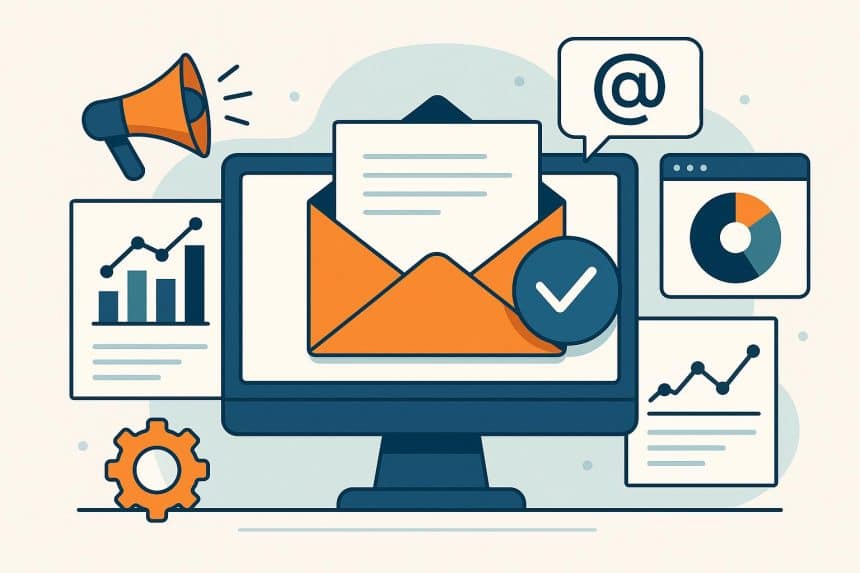
Email marketing remains one of the most effective ways to connect with customers, nurture leads, and build brand loyalty. Despite the rise of social media and instant messaging apps, email still offers unmatched personalization and direct communication.
In 2026, email marketing platforms are smarter than ever: with automation, AI-powered personalization, and analytics tools that help businesses of all sizes craft campaigns that convert.
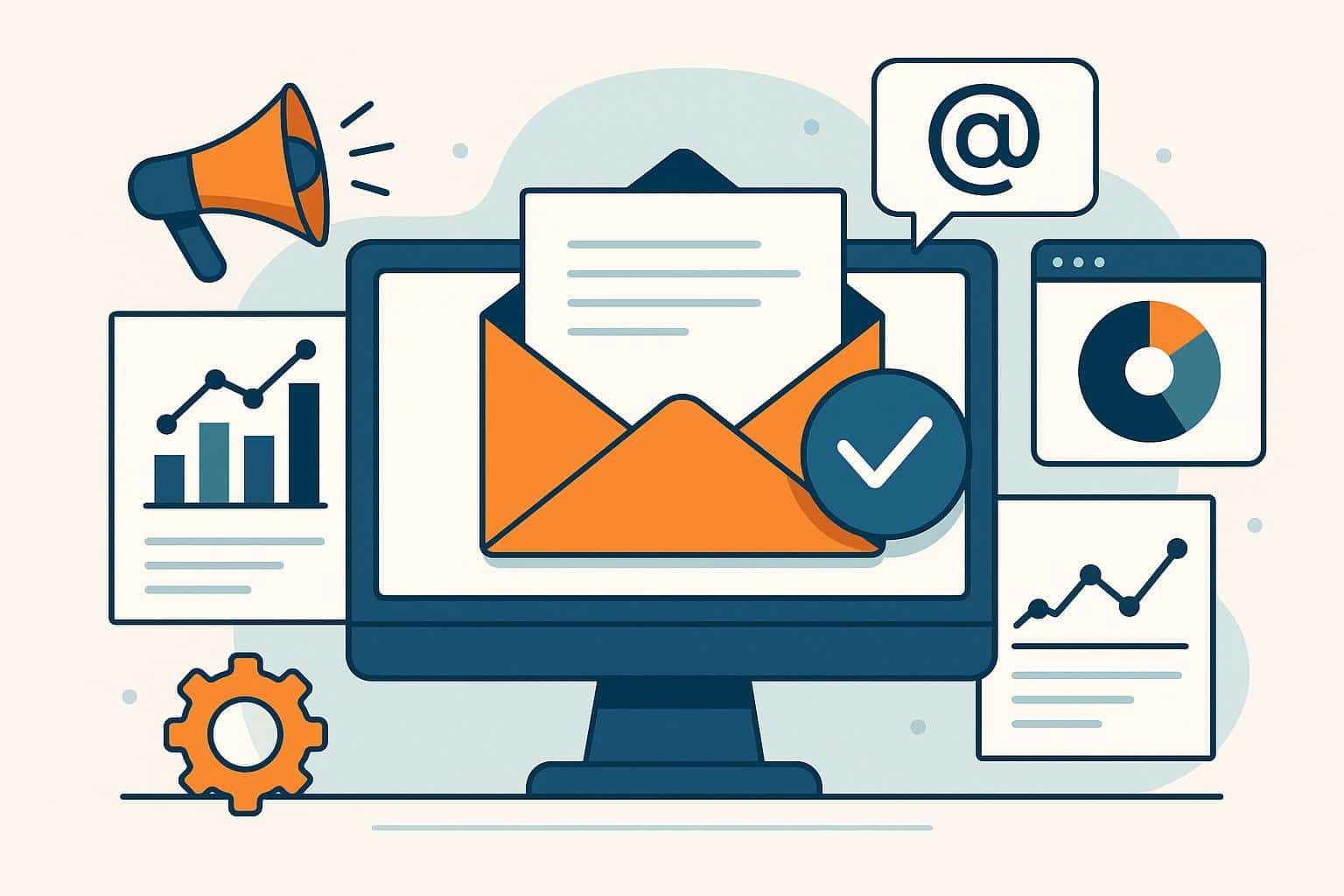
Here are five of the best email marketing tools you can use in 2026 to elevate your digital strategy.
Emailchef
Emailchef is an email marketing platform built for small and medium-sized businesses that want a balance of simplicity, compliance, and advanced features.
It offers professional tools such as automation workflows, advanced segmentation, and branding options, making it easy to create campaigns that convert. One of its strongest points is GDPR compliance and list protection, ensuring that your contacts stay safe and your campaigns remain legally sound. Emailchef also provides high deliverability rates thanks to its optimized SMTP infrastructure, which helps financial services, startups, and agencies reach inboxes more reliably. With affordable pricing and scalable plans, it’s a strong alternative to well-known providers.
2. Brevo (formerly Sendinblue)
Brevo has evolved into a full customer relationship platform, integrating email marketing, SMS, and live chat in one place. Its drag-and-drop editor makes designing emails simple, and its automation builder lets you create sequences based on user behavior, perfect for onboarding, nurturing, or reactivation campaigns.
One of Brevo’s best features is its CRM integration, which allows you to manage your contacts and sales pipeline alongside your campaigns. The platform also includes transactional email support and strong deliverability, making it a great fit for e-commerce and SaaS businesses.
3. ConvertKit
Originally built for creators, ConvertKit has become a go-to email marketing tool for bloggers, coaches, and digital entrepreneurs. It focuses on simplicity and automation, allowing users to tag and segment subscribers easily and send highly targeted messages.
In 2026, ConvertKit’s strength lies in its Creator Network, a built-in growth feature that lets users promote each other’s newsletters and grow audiences organically. With excellent form builders and integration with leading platforms like Shopify, Notion, and Gumroad, it’s ideal for content-driven brands.
4. Moosend
Moosend continues to impress with its balance of affordability and advanced marketing features. It offers AI-powered recommendations, A/B testing, and a robust automation engine that lets you trigger campaigns based on customer actions and preferences.
The built-in landing page editor and template designer make it easy to create complete campaigns without external tools. Moosend’s analytics dashboard gives you a clear view of opens, clicks, and conversions, helping you fine-tune performance. Small teams love it for its flexibility and value.
5. ActiveCampaign
ActiveCampaign remains a powerhouse for marketers who want deep automation and CRM capabilities. It’s built for businesses ready to scale and includes advanced tools like predictive sending, lead scoring, and behavioral automation.
Its visual workflow builder is one of the best on the market, allowing you to create multi-step journeys that react to customer engagement in real time. With thousands of integrations and detailed reporting, ActiveCampaign helps you turn your email list into a conversion engine.
Final Thoughts
Email marketing in 2026 is about precision, compliance, and personalization. Whether you choose Emailchef for its reliability, Brevo for its CRM power, or ActiveCampaign for its automation depth, each of these tools can help you connect more meaningfully with your audience and drive measurable growth.
No matter the size of your business, investing in the right platform today means stronger customer relationships tomorrow.