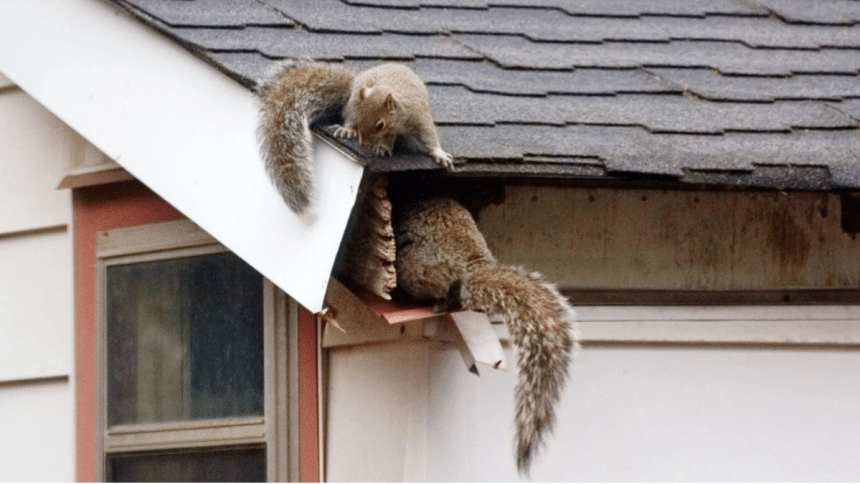
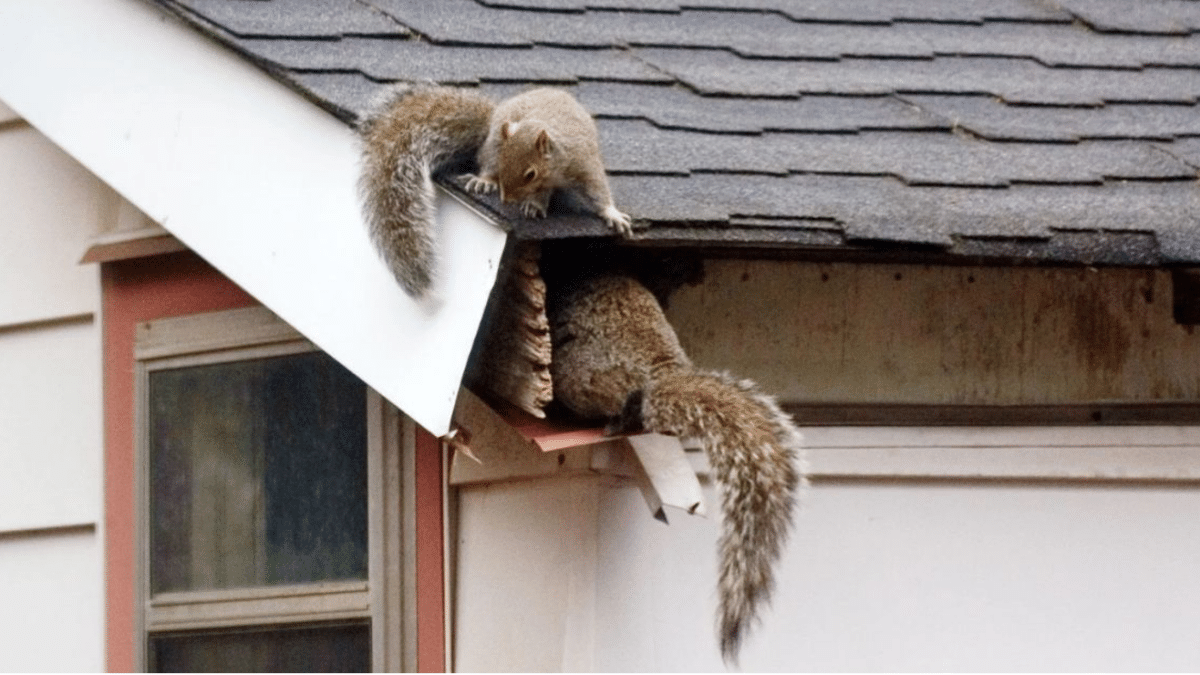
Squirrels in your attic can significantly impact your home’s energy efficiency. Removing them protects your home from potential damage, helps enhance insulation, and reduces energy costs. It’s essential to address this problem promptly to prevent further issues arising from their presence.
If you’ve noticed scratching sounds or other signs of squirrels nesting in your attic, it’s time to take action. These animals can create gaps that allow heated or cooled air to escape, making it harder for your HVAC system to maintain the desired temperature. Understanding how squirrel removal can improve energy efficiency is crucial for safeguarding your home and wallet.
Ensure your attic is free of pests to maintain optimal insulation and airflow. This proactive approach improves comfort and leads to long-term savings on your energy bills. Taking the right measures will keep your attic and energy expenses in check.
Understanding Squirrel Infestation in Attics
Squirrels in your attic can lead to significant energy loss and property damage. Recognizing their behavior and the extent of their impact is crucial for maintaining your home’s integrity and energy efficiency.
Extent of Squirrel Damage and Energy Loss
Squirrels can cause considerable damage in your attic. They chew through insulation, wires, and structural components. This damage compromises the structural integrity of your home and allows conditioned air to escape, increasing your energy bills.
- Insulation Impact: Chewing through insulation reduces its effectiveness, leading to higher heating and cooling costs.
- Electrical Hazards: Damaged wires from squirrel activity can pose fire risks and require costly repairs.
- Entry Points: Squirrels create holes for entry and exit that can lead to further infestations and energy inefficiency.
Addressing these issues promptly can help maintain your home’s energy efficiency and safety.
Squirrel Behavior and Attics
Understanding squirrel behavior is essential for effective removal and prevention. Squirrels are naturally curious and often seek warm, dark spaces to nest, making attics ideal.
- Nesting Habits: Female squirrels may give birth in your attic, increasing the urgency to remove them.
- Activity Patterns: Squirrels are most active during dawn and dusk, making these times critical for observation and intervention.
- Attraction to Food: Leaving food sources accessible, such as bird feeders or pet food, can invite squirrels into your attic.
Monitoring these behaviors allows you to target removal efforts effectively.
Benefits of Removing Squirrels
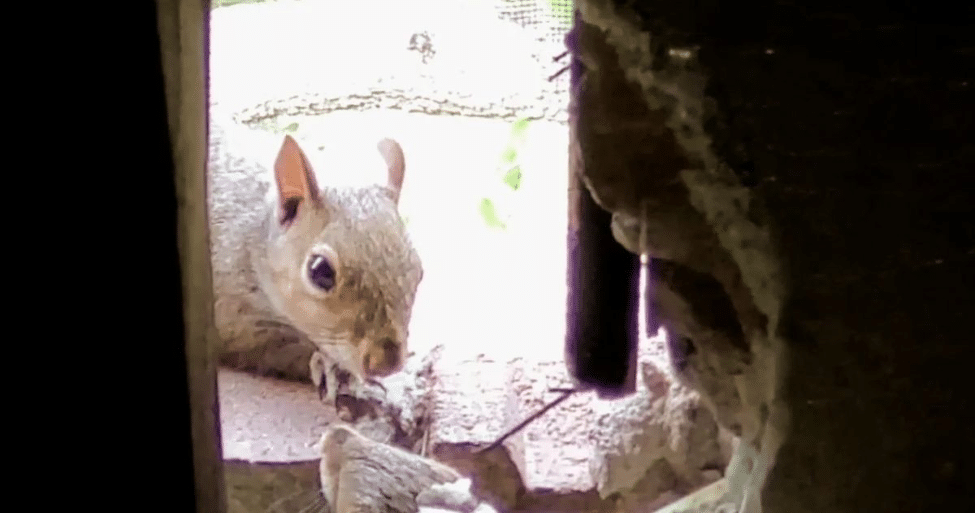
Removing squirrels from your attic can significantly improve insulation and energy efficiency. By addressing these pests, you protect your home and enhance its energy performance.
Improving Attic Insulation
Squirrels can cause serious damage to attic insulation. They create nests and may even chew through insulation materials, leading to gaps that reduce their effectiveness.
By removing squirrels, you can restore the integrity of your insulation. This action helps maintain a consistent temperature in your home, preventing heat loss during winter and keeping it cooler in summer.
In McKinney, effective squirrel removal can transform your attic into an energy-efficient space, leading to better comfort and less strain on your HVAC system.
Energy Savings and Efficiency Gains
Removing squirrels also contributes to energy savings. With your attic properly insulated, your heating and cooling systems work more efficiently. This reduction in energy consumption can lead to lower utility bills over time.
For homeowners in McKinney, the benefits of squirrel removal include enhanced energy performance. More efficient system operation means you use less energy, reducing your carbon footprint while saving money.
Investing in squirrel control creates a more energy-efficient atmosphere in your home.
Steps for Effective Squirrel Removal

To maintain attic efficiency and protect insulation, effective squirrel removal is essential. Focus on a thorough inspection, humane exclusion techniques, and ensuring long-term solutions to prevent future infestations.
Inspection and Assessment
Start by inspecting your attic and its surrounding areas for signs of squirrel activity. Look for droppings, chewed insulation, and nests of leaves and twigs.
Methods to conduct inspections:
- Visual Checks: Examine entry points like gaps in roofing, vents, or eaves.
- Sounds: Listen for scratching or scurrying noises, especially during dawn or dusk.
Assess the extent of the infestation. One squirrel can cause significant damage by compromising attic insulation, leading to energy inefficiency. Keeping your insulation intact is crucial for maintaining your home’s energy efficiency.
Humane Squirrel Exclusion Techniques
Utilize humane techniques to remove squirrels effectively. Start by sealing off potential entry points to prevent future access.
Techniques to consider:
- Installing One-Way Exclusion Funnels: These allow squirrels to exit but prevent them from re-entering.
- Employing Natural Deterrents: Use smells that squirrels find unpleasant, such as peppermint oil or commercial repellents.
Always ensure that no young squirrels are left behind. Once you confirm that all squirrels have exited, promptly seal the entry points to maintain attic efficiency and protect insulation.
Ensuring Long-Term Solutions
Once you’ve removed the squirrels, focus on establishing long-term solutions to prevent future infestations. Regular maintenance and monitoring are key.
Strategies include:
- Routine Inspections: Check your attic periodically for signs of returning wildlife.
- Maintain Landscaping: Trim trees and shrubs near your home to minimize access points for squirrels.
Implementing these preventive measures can effectively maintain attic efficiency. Consider contacting Critter Stop at (214) 234-2616 for a professional approach. They offer free inspections and are known for high-quality work and excellent customer service.