
The world of online trading has seen major changes in the last decade. Traders today no longer rely only on traditional exchanges where they manually place and manage every trade. With the rise of smart trading terminals, people now have access to tools that simplify trading, save time, and improve results. Understanding the difference between these two options is important for anyone who wants to make better financial decisions and stay ahead in the market.
In the early days of digital trading, exchanges were the main platform where buyers and sellers connected. Over time, advanced tools were created to support traders, leading to the development of smart trading terminals. These platforms combine automation, strategy design, and easy monitoring into one place, offering features that are not usually available on standard exchanges. One of the leading platforms in this space is 3Commas, which has become a trusted choice for traders who want to access advanced trading features without adding unnecessary complexity.
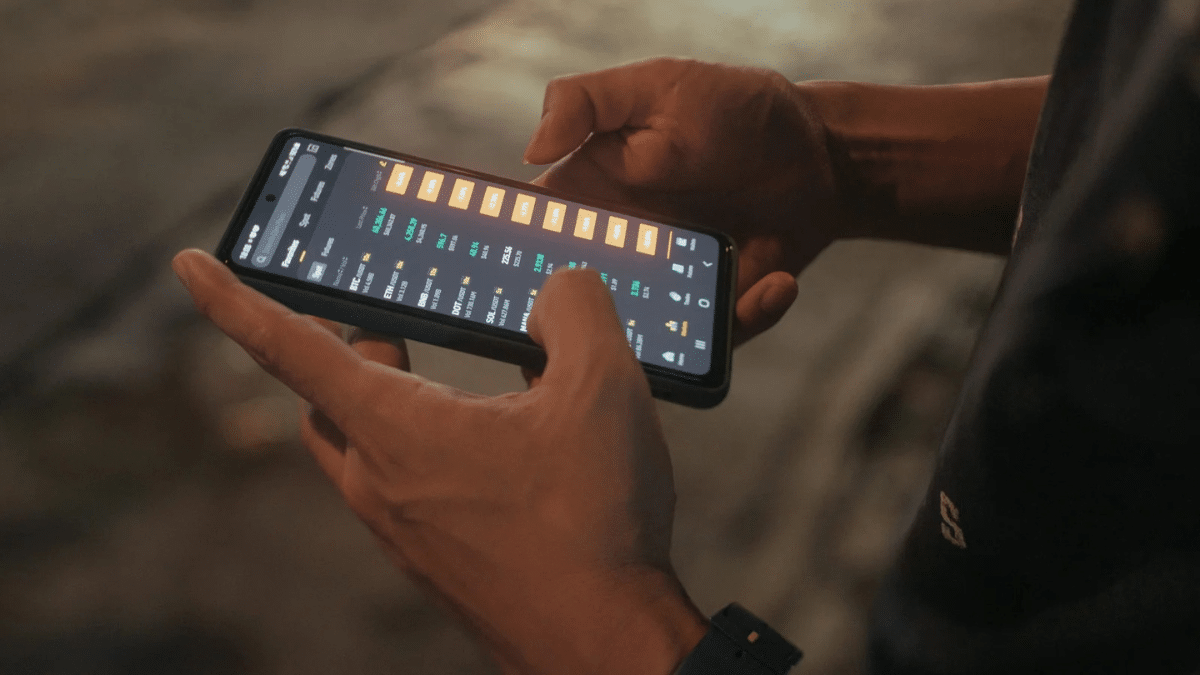
What Are Traditional Exchanges?
Traditional exchanges are the platforms most people first encounter when they start trading online. They serve as the direct marketplace where traders can buy and sell assets. A few key features of traditional exchanges include:
- A direct order book where buy and sell orders are matched.
- Basic tools such as market orders, limit orders, and stop orders.
- Simple interfaces that allow users to execute trades directly.
- Security features managed by the exchange provider.
Traditional exchanges focus on providing access to the market in its simplest form. However, they have certain limits. While they allow traders to place orders, they do not usually offer advanced automation, portfolio tracking, or strategy testing. This makes it harder for individuals who want more control, flexibility, and efficiency in their trading journey.
What Are Smart Trading Terminals?
Smart trading terminals are advanced platforms designed to give traders more tools and features than a basic exchange can offer. Instead of manually watching the market and executing every trade, users can automate their strategies, analyze data in real time, and reduce the risk of human error.
Some of the most useful features of smart trading terminals include:
- Automated trading bots that carry out strategies on behalf of the trader.
- Portfolio management tools that allow tracking of assets across multiple exchanges in one place.
- Copy trading features where users can follow and mirror the strategies of experienced traders.
- Risk management controls like smart stop-loss and take-profit settings.
- Paper trading modes that allow users to test strategies without risking real money.
These features make smart trading terminals a strong alternative to traditional exchanges, especially for people who want to save time and avoid emotional decisions when trading.
Smart Trading Terminals vs Traditional Exchanges: Key Differences
To understand which option is better, it is helpful to compare the two side by side:
- Functionality
- Traditional exchanges provide the basic marketplace for transactions.
- Smart terminals go beyond, offering automation, analysis tools, and strategy customization.
- Ease of Use
- Exchanges often have straightforward designs but require constant manual work.
- Smart terminals reduce manual tasks by letting automation handle repeated processes.
- Risk Management
- Exchanges offer limited stop and limit orders.
- Smart terminals provide advanced tools such as trailing stop-loss, multi-target take-profits, and safety orders.
- Portfolio Tracking
- On an exchange, users can only see assets held within that platform.
- Smart terminals let traders track and manage assets across multiple exchanges from one dashboard.
- Learning Curve
- Exchanges are simple for beginners to understand.
- Smart terminals may take a little more time to learn but reward users with more control and efficiency.
Benefits of Using Smart Trading Terminals
Smart trading terminals offer several advantages that traditional exchanges cannot match. These include:
- Time Savings: Automation removes the need for constant monitoring.
- Better Control: Users can set advanced conditions and strategies for trades.
- Reduced Errors: Automated bots prevent mistakes caused by emotions or delays.
- Access to Multiple Markets: Smart terminals often connect with several exchanges, giving traders a wider reach.
- Improved Strategy Testing: Features like paper trading allow users to test ideas safely before applying them in real markets.
These benefits make smart trading terminals appealing for both new and experienced traders.
The Role of 3Commas in Smart Trading
Among the various smart trading platforms available, 3Commas stands out for its wide range of features and its user-friendly design. It is trusted by a global community of traders because it offers:
- Access to automated trading bots with easy customization.
- Smart portfolio management across multiple connected exchanges.
- Copy trading options that let users follow successful traders.
- A simple and clear interface that makes advanced tools accessible to everyone.
- Risk management settings designed to protect investments.
By combining these features in one place, 3Commas makes it possible for both beginners and professionals to take advantage of advanced trading strategies without needing deep technical knowledge.
Pros and Cons of Traditional Exchanges
Pros
- Simple to use and understand.
- Direct access to buy and sell assets.
- Usually secure and regulated.
Cons
- Limited trading tools.
- No automation or strategy testing.
- Portfolio management restricted to that one platform.
Pros and Cons of Smart Trading Terminals
Pros
- Advanced automation for efficiency.
- Access to multiple exchanges in one place.
- Strong risk management options.
- Portfolio tracking across platforms.
- Strategy testing without real money risk.
Cons
- May feel complex at first for beginners.
- Dependence on internet connection and platform stability.
Which One Is Better?
Choosing between a smart trading terminal and a traditional exchange depends on personal goals. For people who want simplicity and only plan to make occasional trades, a traditional exchange can be enough. However, for those who want to manage assets more effectively, save time, and use advanced strategies, smart trading terminals provide far greater value.
This is why platforms like 3Commas are becoming the preferred choice. They combine the basic features of an exchange with advanced tools that help traders take control of their portfolios, reduce risk, and trade more confidently.
Conclusion
Both traditional exchanges and smart trading terminals have their place in the trading world. Traditional exchanges are best for beginners who want to learn the basics and make straightforward trades. Smart trading terminals, on the other hand, offer advanced features that can make trading more efficient, flexible, and less stressful.
The decision depends on the trader’s personal needs. Those who want simplicity may choose an exchange, while those who want automation, advanced tools, and broader control are likely to find smart terminals more useful. With trusted platforms like 3Commas available, it is now easier than ever for individuals to access powerful tools that were once only available to professionals.