Nearly 9 of every 10 U.S. adults 50 and older own a smartphone, according to an AARP Research report released in late 2024. This widespread adoption shows that finding the best smartphones for seniors is more relevant than ever. However, not all devices are created equal when it comes to meeting the unique needs of older adults.
Smartphones for seniors have evolved significantly, with many now featuring simplified interfaces and enlarged text specifically designed to help older individuals stay connected and access important information. In 2025, we can expect even more focus on integrated safety features, simplified interfaces, and enhanced accessibility options in phones for old people. From dedicated SOS buttons that provide an immediate lifeline in emergencies to visual accessibility features that are now considered essential in smart phones for seniors, manufacturers are recognizing the importance of these specialized tools.
In this guide, I'll walk you through the essential features that create the best smartphone for elderly users. We'll explore everything from accessibility options that make daily use easier to safety features that provide peace of mind. Additionally, we'll look at health tracking capabilities and communication tools that can actually help you make better phone calls. Whether you're searching for yourself or a loved one, understanding these key elements will help you select a simple smartphone for seniors that truly enhances independence and connectivity.
Accessibility and Ease of Use
Accessibility features make all the difference between frustration and independence for older adults using smartphones. The best phones prioritize ease of use through thoughtful design elements that accommodate vision limitations, dexterity challenges, and varying tech comfort levels.
1. Large buttons and readable text
Physical buttons that are properly spaced can prevent accidental key presses – a common issue for seniors with arthritis or tremors. The IRIS Easy Flip features buttons separated by approximately 2 millimeters, making it easier to dial numbers without pressing multiple buttons simultaneously. Furthermore, phones like the Jitterbug Flip2 include clearly marked buttons for essential functions such as starting/ending calls and switching to speaker mode.
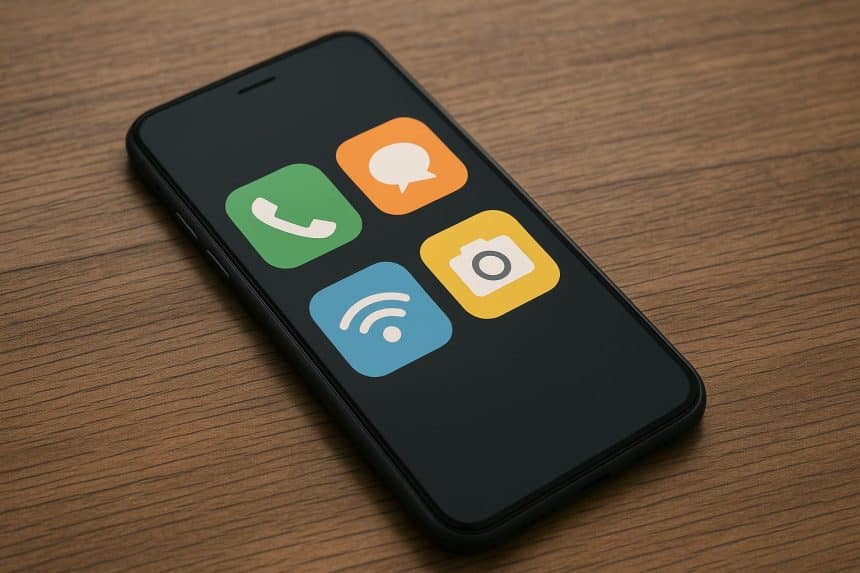
For those with visual impairments, high-contrast displays and larger fonts are essential. Some digital interfaces now feature large fonts, high-contrast colors, and easy-to-recognize icons that reduce eye strain and confusion. Many models also offer volume adjustment up to 40db for the hearing impaired.
2. One-handed mode and back tap shortcuts
One-handed mode scales down the display size for easier control, particularly valuable for those who find larger phones unwieldy. To activate this feature on most Android phones, simply go to Settings > Accessibility > Touch and enable "Use One-handed mode". On Samsung devices, you can activate it by swiping down on the bottom edge of the screen or double-tapping the home button.
Back Tap shortcuts provide quick access to frequently used features through simple taps on the phone's back. Common useful shortcuts include:
- Opening notifications or control center
- Toggling flashlight or screen brightness
- Launching magnifier for reading small text
- Taking screenshots or activating voice assistants
3. Simplified menus and easy navigation
List-style menus eliminate the confusion of multiple screens and nested options. The Jitterbug Smart4, for instance, features a simple list-style interface that older adults can navigate without assistance. Digital menus designed for seniors also confirm every tap with visual or audio feedback, reassuring users that the system is responding.
4. Voice command for hands-free use
Voice assistants remove barriers for seniors with vision loss or dexterity problems. Modern smartphones include built-in assistants like Amazon Alexa, Google Assistant, and Siri that can make calls, send texts, set reminders, and control connected devices.
The Jitterbug Flip2 integrates Amazon Alexa, while the Smart4 uses Google Voice Assistant – both allowing hands-free operation. As a practical benefit, you can activate these assistants by simply saying trigger phrases like "Hey Google" or "Alexa" followed by your request.
Safety and Emergency Features
Safety features in smartphones can be lifesavers for seniors living independently. Modern devices now include emergency tools that provide quick access to help when needed most.
5. Dedicated SOS button
Emergency buttons on phones for old people offer immediate assistance during critical situations. Devices like the Jitterbug Flip2 and Lively Jitterbug Smart4 include dedicated service buttons that connect seniors directly to urgent response agents. These buttons eliminate the need to remember phone numbers or navigate complex menus during emergencies. Research shows that panic buttons can help emergency services arrive up to 50% faster.
6. Fall detection and auto-alert
The best smart phone for elderly users often includes fall detection technology. This feature uses a combination of accelerometers, barometers, and sophisticated algorithms to identify when a fall occurs. If a fall is detected, the phone automatically contacts emergency services or caregivers, even if the user is unable to press the button themselves. This capability is especially valuable for seniors who have fallen before or have mobility issues.
7. Location sharing with family
Location sharing provides peace of mind for both seniors and their families. This feature enables loved ones to know the senior's whereabouts, particularly when they live alone. In case of emergencies, quick access to shared location information facilitates faster and more efficient responses. Many smart phones for seniors now offer simplified location sharing that allows caregivers to receive real-time location updates through text messages or dedicated apps.
8. Emergency SOS via satellite
For seniors who enjoy outdoor activities or live in remote areas, satellite emergency features are invaluable. Introduced by Apple in 2022 and subsequently by Google in 2024, this technology allows phones to connect to emergency services when cellular and Wi-Fi networks are unavailable. The service works by connecting to low-earth orbit satellites to send emergency messages. Currently available on iPhone 14 and later models, Pixel 9 series, and soon on Samsung Galaxy S25 devices.
Health and Wellness Tools
Modern smartphones offer invaluable health management tools that can dramatically improve quality of life for older adults. These features transform ordinary phones into personal health assistants.
1. Medication reminders and health records
Managing multiple medications becomes effortless with specialized apps. Medisafe sends timely medication reminders and even notifies family members if a dose is missed. Similarly, CareZone allows users to scan prescription bottles and store medication information in one accessible place. MyTherapy provides a comprehensive medication tracker that records every intake reliably. These apps are crucial since studies show reminder systems can increase medication adherence rates to 66.61% compared to 54.71% in groups without reminders.
2. Mental health check-ins
Smart phones for seniors now include tools to monitor emotional wellbeing. Apps like Calm offer guided meditation and stories for sleep, whereas Headspace provides meditation exercises. MyTherapy includes a mood tracker that documents emotional states alongside physical symptoms. These applications help seniors build healthy routines through "streaks" that show successful completion of health tasks over consecutive days.
3. Sleep tracking and wind-down modes
Inadequate sleep in older adults is linked to frailty, cognitive impairment, and cardiovascular disorders. The best smartphone for elderly users includes Bedtime mode, which automatically turns screens to grayscale and silences notifications. Moreover, many devices offer screen tinting to warmer colors before bedtime, promoting better sleep.
Communication and Connectivity
Staying connected with family and friends remains a top priority for seniors seeking the right smartphone. Today's devices offer specialized features that make communication clearer, simpler, and more accessible.
1. Hearing aid compatibility
Smart phones for seniors now offer hearing aid compatibility (HAC) ratings to ensure seamless connection. These ratings use M/T scales from 1-4, with M4/T4 representing ideal compatibility. Apple pioneered Made for iPhone (MFi) for iOS devices, whereas Android phones use Audio Streaming for Hearing Aids (ASHA) technology. Both standards enable direct audio streaming and hands-free calling for those with compatible hearing aids.
2. Amplified sound and voice isolation
The best smartphone for elderly users includes sound enhancement features. Android's Sound Amplifier app filters and boosts specific frequencies through headphones, making conversations clearer in noisy environments. On iPhones, Voice Isolation mode prioritizes the user's voice and blocks ambient noise during calls or recordings. These tools help seniors hear conversations without straining.
3. Video calling for visual check-ins
TV-based video calling systems like ONSCREEN and ViewClix bridge technology gaps for older adults. ViewClix enables visual communication between seniors and loved ones, consequently helping prevent isolation. Some systems even answer calls automatically, turning on the TV and connecting calls without user intervention.
4. Call screening and live voicemail
Live Voicemail Transcriptions let users view message transcripts as callers leave them. Altogether, this allows seniors to decide whether to answer without picking up. Additionally, services like teleCalm help prevent scams by managing contact lists.
Conclusion
Selecting the right smartphone for seniors ultimately comes down to finding a balance between simplicity and functionality. Throughout this guide, we've seen how modern devices now offer specialized features that address the unique needs of older adults. Accessibility options like large buttons, simplified menus, and voice commands make daily interactions intuitive rather than frustrating. Safety features particularly stand out as essential tools for independent living, with dedicated SOS buttons and fall detection providing immediate assistance during emergencies.
Additionally, health management capabilities transform smartphones into valuable wellness companions. Medication reminders help maintain important treatment schedules, while sleep tracking features promote better rest habits. The communication enhancements we explored, such as hearing aid compatibility and amplified sound, ensure seniors stay connected without technological barriers.
Before making a purchase decision, consider which of these features matter most to you or your loved one. Though technology continues evolving rapidly, the best smartphone for elderly users will always prioritize ease of use without sacrificing essential functionality. Most importantly, the right device should enhance independence rather than complicate daily life.
Undoubtedly, as smartphone adoption among seniors continues growing, manufacturers will develop even more specialized features. Therefore, staying informed about these developments helps ensure you select a device that truly serves your needs both now and in the future. After all, the ideal smartphone doesn't just connect seniors to technology but connects them more meaningfully to their families, communities, and the world around them.