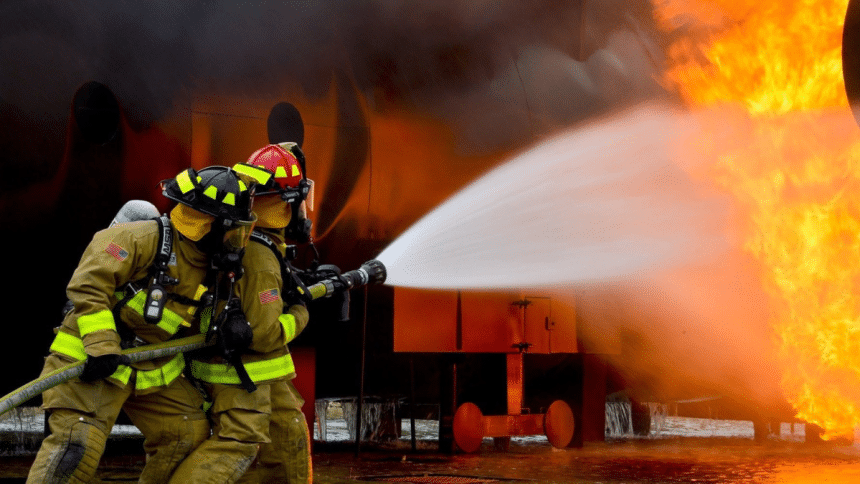
Fire risk management has become even simpler once revolutionary mobile fire risk assessment apps hit the market. Suddenly, assessors could check fire suppression systems, fire alarms, unusual heat patterns, and even smoke detectors anywhere, anytime by using digital and mobile-friendly tools.
Long gone are the days of manually inspecting potential fire hazards, filing time-consuming paper reports, and using outdated training programs. Instead, mobile fire risk assessment apps can even detect emerging risks to ensure business continuity using advanced technologies.
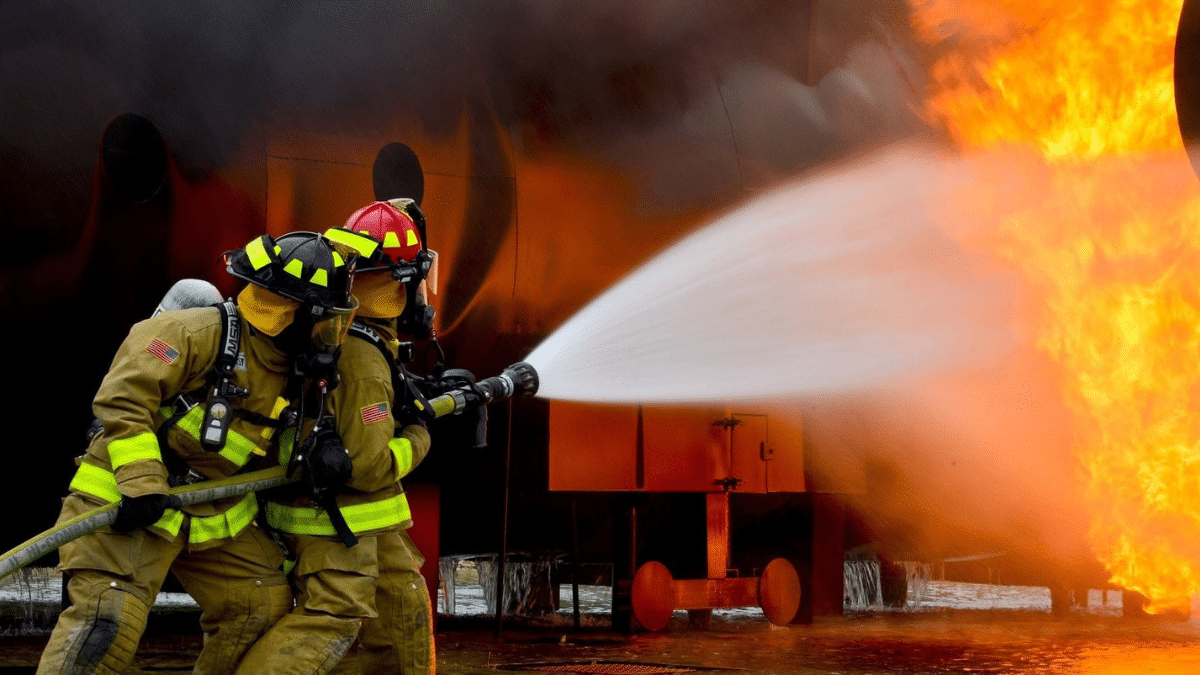
Discover how mobile fire risk assessments revolutionize business fire safety systems.
AI in Fire Safety Systems Improves Safety Protocols
AI in fire safety systems can help building managers implement better fire safety protocols to prevent fire incidents with frequent fire assessments using digital mobile tools that reduce the risk of human error through manual inspections. The right fire risk assessment app ultimately leads to fire prevention.
Inspectors and building managers depend on digital systems to capture accurate data related to past fire incidents and the emergence of new potential fire risks. Digitizing the risk assessment enhances accuracy but also ensures nothing is missed so that managers can strategically plan safety measures.
Identify a Wide Range of Potential Fire Hazards
Mobile fire safety risk assessment apps often allow inspectors and building managers to customize the inspection forms, capturing details and parameters for fire suppression systems, fire alarms, and other fire detection systems. The data is then fed to the artificial intelligence models for analysis.
AI in fire protection apps make recommendations based on an analysis of large data sets to ensure all fire alarms, fire suppression systems, and fire detection systems meet the highest industry standards, enabling predictive maintenance and preventing false alarms in an office building or manufacturing plant.
Automated Systems Ensure Regulatory Compliance
Achieving and maintaining regulatory compliance for risk mitigation with the Occupational Safety and Health Administration (OSHA) is the primary goal of many high-risk industries. The seamless integration of mobile automated systems using artificial intelligence streamlines paperwork and reporting.
Avoid operational disruptions caused by non-compliance, and reduce fire incidents to mitigate risks associated with employee injuries. The mobile fire safety apps also have access control to ensure no one interferes with business operations unless it’s their responsibility to inspect and report hazards.
Real-Time Monitoring Redefines Fire Safety Systems
Various high-risk industries are challenged by increasing threats due to flammable materials, and manual monitoring efforts can’t always detect threats in time. Advanced technologies like computer vision combined with sensors can detect poor environmental conditions and enhance fire detection.
Relying on smoke detectors doesn’t always lead to the best fire safety measures in the oil and gas industry. Real-time monitoring replaces the inefficient smoke detectors system for early detection using artificial intelligence to ensure fire protection and initiate an emergency response sooner.
Identify Patterns With AI-Powered Fire Safety Inspections
Combining computer vision with machine learning algorithms results in automated systems capable of identifying fire hazards faster and more efficiently. Machine learning algorithms are trained on historical data to detect fire hazards fast, while computer vision with sensors uses real-time data collection.
Integrating AI tools to prevent fire-related incidents in real-time in existing infrastructure, construction sites, manufacturing plants, and storage rooms enables an immediate response because these advanced technologies are capable of processing hazardous data much faster than human inspectors.
Enhancing Safety With Real-Time Alerts for Fire Protection
AI-powered fire safety systems using computer vision and machine learning models can also alert internal and external persons about a fire, working much like internal security systems. These tools can even send automated alerts to the fire department for faster responses and to reduce losses.
Enhancing safety measures with fire protection systems using artificial intelligence will reduce the impact of operational disruptions by getting emergency services to the premises faster. Employees can also respond faster to ensure workplace safety and fewer injuries.
Respond Effectively to Fire Risks Based on Future Trends
One of the key features of AI-powered fire safety systems is that they could integrate an essential tool called predictive analytics, empowering facility managers to use predictive maintenance to prevent fire risks from flammable materials and other potential hazards emerging as risks in the specific industry.
A critical concern for high-risk industries is the introduction of new materials and equipment, including security systems. Computer vision can measure conditions like unusual heat patterns in real-time while predictive analytics can analyze the data against emerging trends in other companies to highlight risks.
Leverage Preventive Measures to Ensure Workplace Safety
Another form of artificial intelligence could revolutionize fire prevention: natural language processing (NLP). The artificial intelligence technology can analyze text, audio, video, and images to understand sentiment, evaluating fire incidents, historical data, and real-time monitoring data for safer insights.
Enhance building management systems using AI in fire risk assessments with predictive analytics and NLP to improve safety measures and reduce fire hazards. The combination of AI tools will identify patterns to make data-driven recommendations for next-level fire safety protocols.
Integrating AI in Training Enhances Fire Safety Measures
Various companies and facility managers have custom software developed to train employees in fire safety measures and emergency response protocols. Fire detection systems like fire alarms aren’t the only line of defense. Employees can help response effectively and reduce false alarm reactions.
AI-powered training with virtual reality can put employees in simulated scenarios, empowering them with the right tools and policies they must follow during a crises, enhancing safety protocols internally. For example, employees learn how to safety store fire-resistant materials or flammable materials.
AI-Powered Mobile Business Fire Safety App Conclusion
Early detection, workplace safety, and real-time monitoring are possible with mobile-first artificial intelligence applications that work at speeds manual inspectors can’t match. Improve existing security systems, reduce potential risks, and streamline building management systems with a single app.
Fire prevention in high risk industries is best achieved with artificial intelligence and custom app development that tailors the features to your business needs. However, risk assessment through digital mobile platforms ultimately enhances safety measures and emergency responses.