
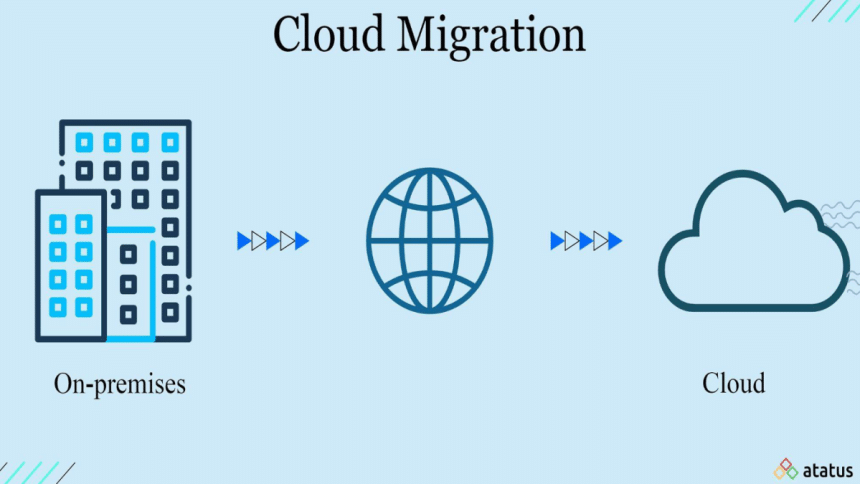
Cloud migration is the process of moving data, applications, and other business elements to a cloud computing environment. While the benefits of cloud computing, such as increased efficiency, scalability, and cost savings, are well-documented, the process of migrating can be complex and fraught with challenges.
A well-planned and executed migration is crucial for businesses to realize the full benefits of the cloud. This article explores the challenges of cloud migration and outlines strategies to ensure a smooth transition.
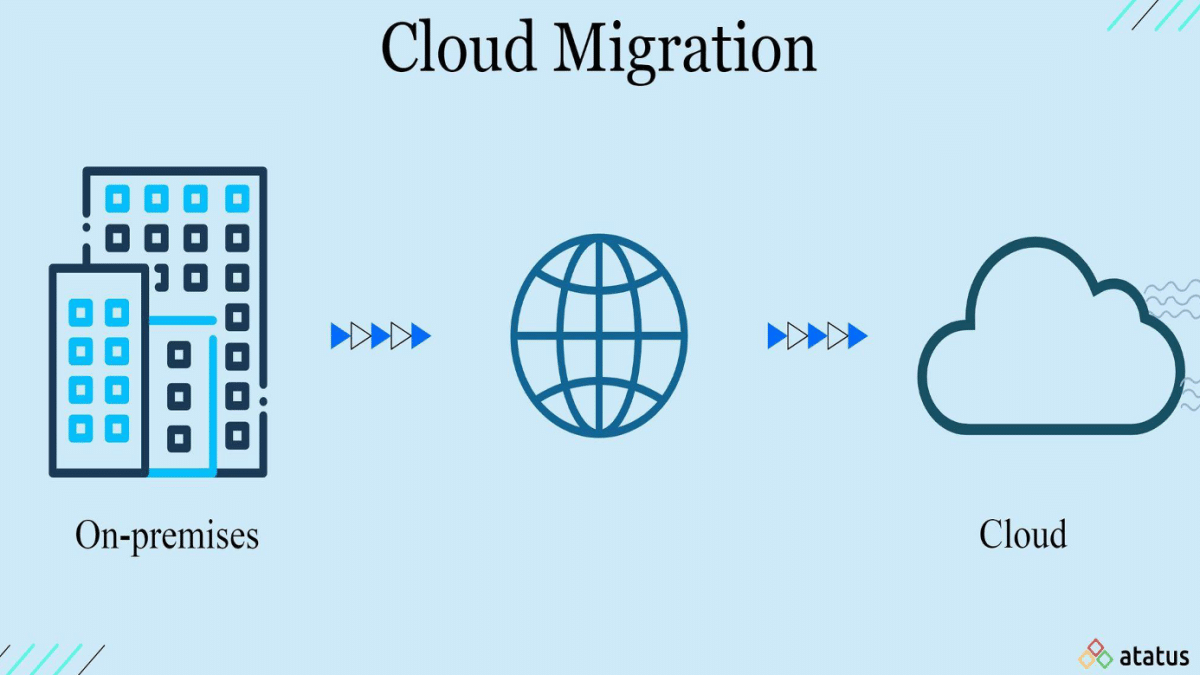
Understanding Cloud Migration
Businesses are increasingly moving towards cloud computing to enhance their agility, innovation, and competitive edge. The cloud offers a range of services and models, including Infrastructure as a Service (IaaS), Platform as a Service (PaaS), and Software as a Service (SaaS), each providing different levels of control, flexibility, and management.
Benefits of Cloud Migration

- Scalability: Adjust resources based on demand.
- Cost-Effectiveness: Reduce operational costs with a pay-as-you-go model.
- Performance: Improve application performance with modern infrastructure.
- Collaboration and Flexibility: Enhance collaboration with remote access to data and applications.
- Innovation: Leverage advanced cloud technologies to drive innovation.
Planning for Cloud Migration
The migration process and post-migration activities involves monitoring application performance, user behavior, and traffic patterns — the advantages of using web analytics include. These insights help in making data-driven decisions, ensuring that the migrated applications and services are meeting the desired objectives and performance benchmarks.
Here is how the cloud migration process with web analytics involved:
Assessing Readiness and Setting Objectives
- Conduct a thorough assessment: Understand the current IT infrastructure, applications, and data.
- Define clear objectives: Set specific, measurable goals for what the migration should achieve.
Choosing the Right Cloud Provider
- Evaluate providers: Consider factors such as cost, security, compliance, and service offerings.
- Understand service agreements: Pay attention to SLAs, data governance policies, and support structures.
Developing a Migration Strategy
- Select the right migration approach: Common strategies include rehosting, replatforming, and refactoring.
- Create a detailed plan: Outline the steps, timelines, and responsibilities for the migration.
Executing the Migration
Pre-Migration Preparation
- Train your team: Ensure that your staff understands the cloud environment and the migration process.
- Update security and compliance measures: Review and update policies to fit the cloud environment.
- Perform data backup: Ensure that all data is securely backed up before the migration begins.
Managing the Migration Process
- Start with a pilot project: Migrate a small, less critical application or data set first to understand the process and implications.
- Monitor and optimize: Use web analytics and other tools to monitor the migration and make adjustments as needed.
- Communicate regularly: Keep all stakeholders informed about the progress and any issues that arise.
Post-Migration Activities
- Validate the migration: Ensure that all data and applications have been correctly migrated and are functioning as expected.
- Optimize performance: Continuously monitor and tweak settings to optimize performance, cost, and security.
- Train users: Provide training and support to help users adapt to the new cloud environment.
Addressing Common Migration Challenges
Technical Challenges
- Compatibility and Interoperability: Ensure that existing applications and systems are compatible with the cloud environment.
- Data Integrity and Loss: Implement strategies to prevent data corruption or loss during the migration.
- Downtime and Performance Disruptions: Plan carefully to minimize downtime and performance issues.
Security and Compliance Challenges
- Data Security: Implement robust security measures to protect data during and after the migration.
- Regulatory Compliance: Understand and adhere to all relevant regulations and standards.
- Identity and Access Management: Ensure that only authorized users can access cloud resources.
Organizational and Cultural Challenges
- Change Management: Manage the human aspect of the migration, addressing fears, resistance, and training needs.
- Alignment with Business Goals: Ensure that the migration aligns with broader business objectives and strategies.
- Cost Management: Monitor and manage costs to avoid unexpected expenses.
Best Practices for a Successful Cloud Migration
Comprehensive Planning and Assessment
- Conduct a thorough assessment: Understand what needs to be migrated and any potential issues.
- Develop a detailed migration plan: Outline every step of the process, including timelines and responsibilities.
Focused and Phased Approach
- Migrate in phases: Start with less critical applications and gradually move to more critical ones.
- Learn and adapt: Use lessons learned from early phases to improve later stages of the migration.
Robust Security and Compliance Measures
- Enhance security posture: Implement and update security measures tailored to the cloud environment.
- Ensure compliance: Understand and comply with all relevant regulations and standards.
Effective Communication and Training
- Communicate regularly: Keep all stakeholders informed about the migration’s progress and any issues.
- Provide training: Help users and IT staff understand and adapt to the new cloud environment.
Continuous Monitoring and Optimization
- Monitor performance and costs: Use tools to continuously monitor the performance and cost of cloud services.
- Optimize resources: Regularly review and adjust resources to ensure efficiency and cost-effectiveness.
The Future of Cloud Migration
Evolving Technologies and Trends
- Advancements in Cloud Services: As cloud technologies continue to evolve, they offer more advanced and specialized services.
- Increased Focus on Security and Compliance: Ongoing developments in security and compliance will continue to shape cloud migration strategies.
- Integration of AI and Machine Learning: These technologies will increasingly be used to optimize cloud environments and migration processes.
The Growing Importance of Cloud Migration
- Competitive Necessity: Cloud migration is becoming a competitive necessity for businesses in all sectors.
- Enabler of Innovation: The cloud is a powerful enabler of innovation, offering businesses the tools and flexibility they need to innovate and grow.
- Global Reach and Scalability: Cloud computing offers unparalleled opportunities for global reach and scalability.
Conclusion
Navigating the challenges of cloud migration requires careful planning, execution, and ongoing management. By understanding the common challenges and employing effective strategies, businesses can ensure a smooth transition to the cloud and realize the full benefits of cloud computing. As cloud technologies continue to evolve, businesses that successfully navigate their cloud migration journeys will be well-positioned to leverage these advancements for competitive advantage and growth.