If you’ve been running paid campaigns lately, you’ve probably noticed just how much harder it’s getting to stay ahead. Costs keep climbing, competition feels endless, and every platform seems to be rolling out new ad formats or updates faster than you can catch your breath. It’s no longer enough to just set up a few ads and let them run. Audiences are savvier, algorithms are stricter, and conversions are harder to win.
The landscape is shifting so quickly that even seasoned marketers are scrambling to keep up. And while Google Ads or Meta campaigns might have been straightforward a few years ago, today you need sharper strategies, better data, and a whole lot more creativity to get results. This article pulls together insights from UK-based experts in PPC advertising to help you take the right steps. Here’s what these specialists recommend.
Lean Into First-Party Data
By now, you’ve probably heard that third-party cookies are going away. And if you’re like most people, you’ve either been dreading it or quietly ignoring it, hoping Google would delay the deadline (again). But here’s the thing—whether it happens in phases or all at once, the shift is real, and you can’t afford to wait until the rug gets pulled out from under you.
Many experts agree that the brands that will thrive in 2025 are the ones who are actively building their own data sources. That means prioritising customer relationships, collecting emails through value-driven lead magnets, and making sure you’re tracking behaviour across your owned platforms. If you don’t know who your customer is and where they’re coming from, you’re basically renting success instead of owning it.
2. AI is a Tool You Need to Get Comfortable With
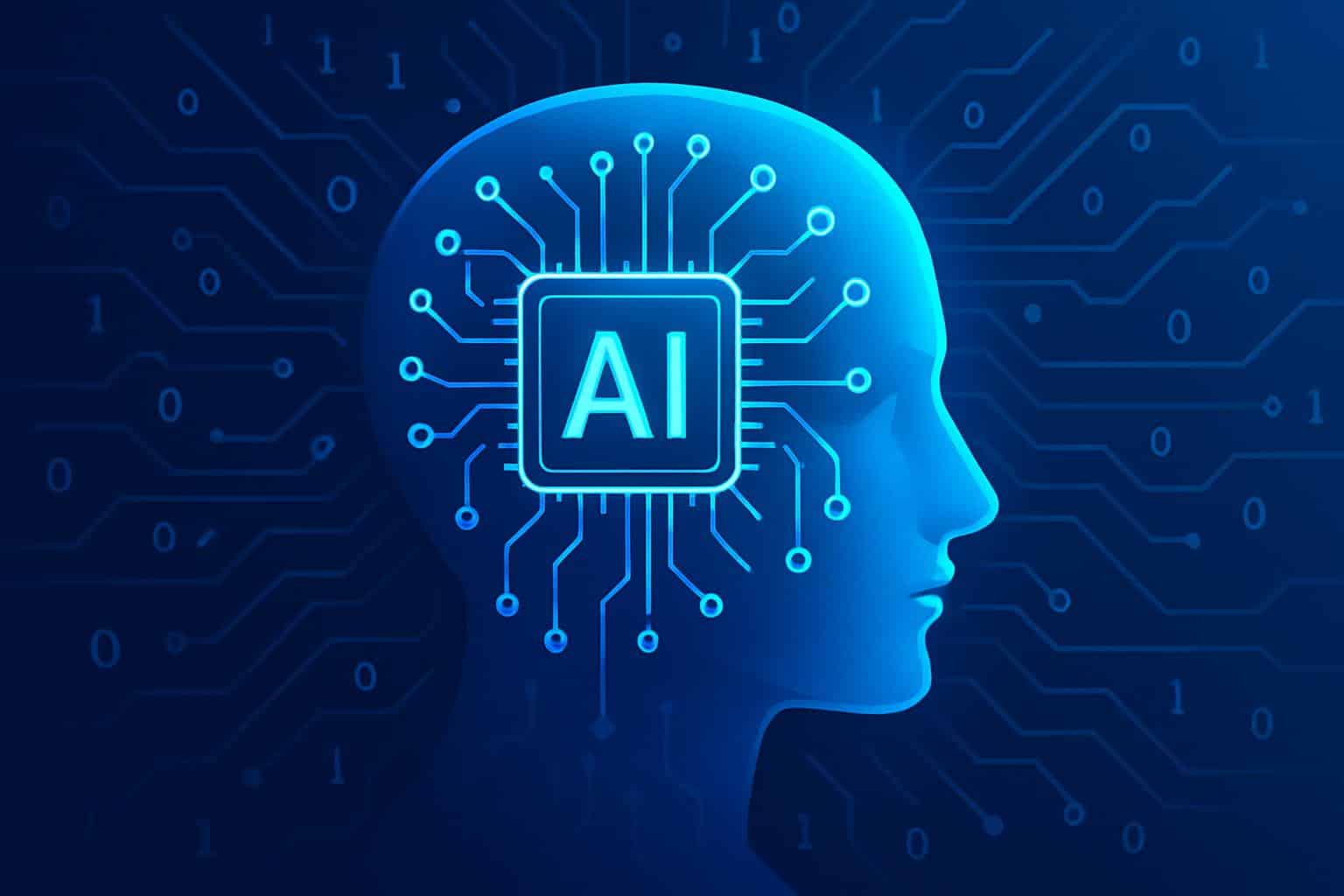
Let’s be honest: AI has been a bit of a mixed bag for PPC so far. Some marketers swear by it, others roll their eyes and say it’s overhyped. However, AI isn’t here to take your job: it is here to make your job a lot easier (if you use it right).
For example, AI-powered tools can help you uncover keyword trends faster than you could on your own, automate bid adjustments in real time, and even generate ad copy variations to test at scale. Specialists nowadays use AI daily to analyse performance data and surface insights that would’ve taken hours of manual number-crunching before. That frees them up to focus on the strategic side of campaigns.
But there’s a caveat here. Relying blindly on AI is dangerous. Algorithms don’t know your brand voice. They don’t know the nuances of your market. And sometimes, they just plain get it wrong. The experts recommend using AI as a co-pilot, not a replacement. You still need to apply your human judgment to filter out bad recommendations and ensure that the strategy aligns with your actual goals.
3. Creative Testing Is the New Competitive Edge
Creative testing is now the single biggest factor in campaign performance. Not targeting. Not bidding. Creative. If you’re not constantly testing headlines, visuals, and formats, you’re probably leaving money on the table.
Why? Because algorithms have levelled the playing field when it comes to bidding. Everyone has access to smart bidding strategies now. Targeting options are also becoming more automated. So, the one place you can truly differentiate yourself is in your ad creative. The ads that stop the scroll win. Everything else is just noise.
Wrapping Up
The PPC world is only going to get more complex, but that doesn’t mean you’re doomed to drown in it. If you take anything from what specialists share, it’s this: invest in your own data, embrace AI as a helper, make creative testing a habit, and don’t lose sight of the bigger funnel.
Will it take more work? Absolutely. But will it also make your campaigns more resilient, scalable, and future-proof? Without a doubt.