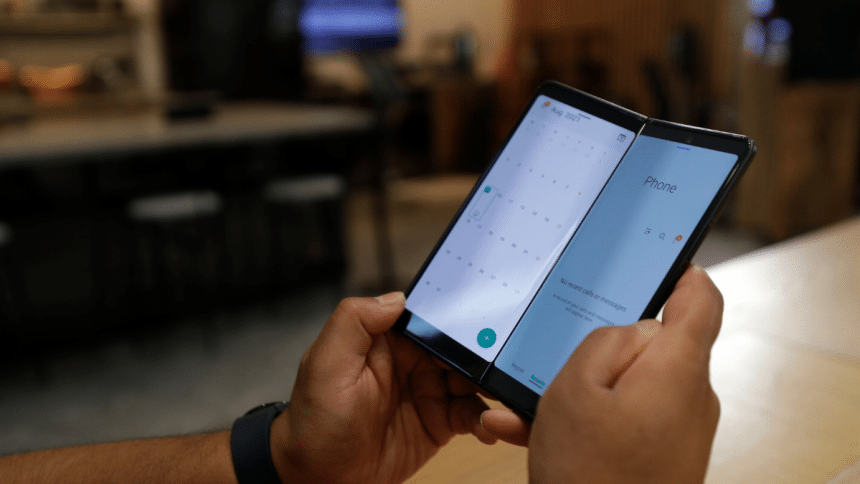
Smartphones have infiltrated our personal lives in every conceivable way: Playing games, watching Netflix, hunting for jobs and even dating. And, for businesses, they too are seeing the effects of smartphone domination.
Businesses have begun to adapt to more mobile workforces. The gig economy mixed with working from home has led to the smartphone being increasingly important for business communication – and it’s requiring a reimagining of how work gets done.
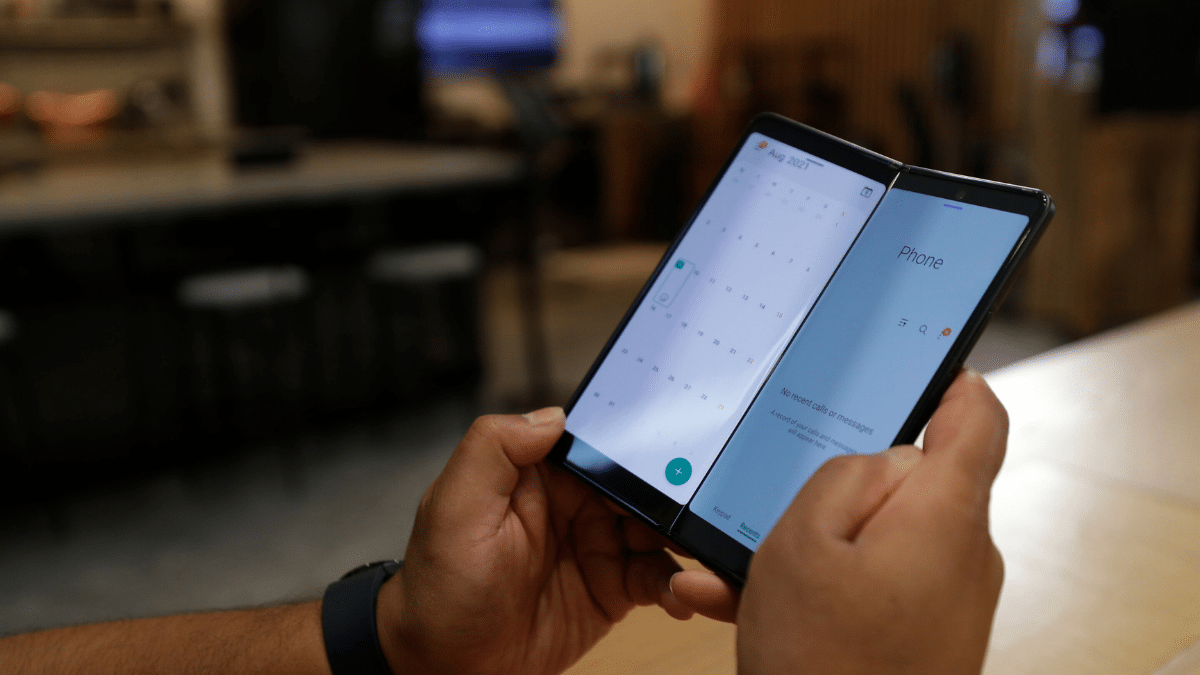
The role of the smartphone in business communications
According to recent research, over two-thirds of mobile workers have experienced greater productivity when using VoIP systems through their devices. It shows the benefits of smartphone-enabled business communications, which are always there, on, and accessible.
Current data shows that almost half of employees now use smartphones for some work tasks. This might be email, Slack, LinkedIn, industry news, or checking merchant accounts and data analytics. Because data is stored on the cloud, it can be accessed from anywhere – the phone doesn’t need the software when using web apps, either.
When businesses implement a comprehensive business phone solution, they’re not just upgrading their telephony – they are allowing their workforce to communicate effectively regardless of location. It’s not just internal communications, but customer ones, while remaining secure. Instant messaging is an incredibly important tool that allows small tasks and queries to be answered without organising a full meeting. In the office, you’re interrupted with a tap on the shoulder. At home, you respond when you get a chance.
Remote work and professional communication
Well over 30 million Americans now work from home. In just a few years since lockdown – a time when businesses were forced to allow employees to work from home – this figure has risen dramatically, creating a newfound, mobile-driven market.
Research from the U.S. Bureau of Labor Statistics shows that industries experiencing larger increases in their workforce being remote have also experienced faster productivity growth. While confounding variables exist here (e.g., tech companies being correlated with both), there is a scalability that comes with remote hiring, and cost-cutting from office downsizes.
The iPhone’s own sophisticated ecosystem already has professional-grade communication capabilities. For example, Apple’s AirPods have fantastic noise cancellation and the front-facing camera is perfect for HD video calling. Seamless app switching means that workers can take calls when in their cars, and multitask when using the phone.
The future of mobile-first solutions
Mobile VoIP services are expected to continue growing, with demand driven mostly by the broader strategy of increasing integration of smartphones into professional workflows. More ERP systems and merchant SaaS, for example, are creating mobile apps. The iPhone itself has the ability for AI processing and spatial audio, though most features like machine learning-powered call routing are done on the cloud, anyway.
The coming together of smartphones and business phone solutions is more than just technological upgrades and smartphones becoming comparable to computers. It’s a broader shift to a new work philosophy that prioritizes flexibility over traditional constraints. For workers, freedom of location and time are increasingly important, and for employers, a move towards being results and project-oriented is growing.