

Over the past decade, fitness apps have surged in popularity, offering users convenient ways to work out, track nutrition, and set personal health goals. Alongside this growth, the monetization model of these platforms has evolved, with microtransactions becoming increasingly common. These small in-app purchases often unlock premium features such as custom workout plans, guided meditations, or advanced performance tracking.
Microtransactions in this space promise users more flexibility. Instead of paying a high upfront cost, individuals can choose to invest incrementally, purchasing features they value most. However, this model raises a crucial question: are these costs justified over time? Consumers must evaluate the long-term benefits of piecemeal upgrades compared to full-service subscriptions or free alternatives.
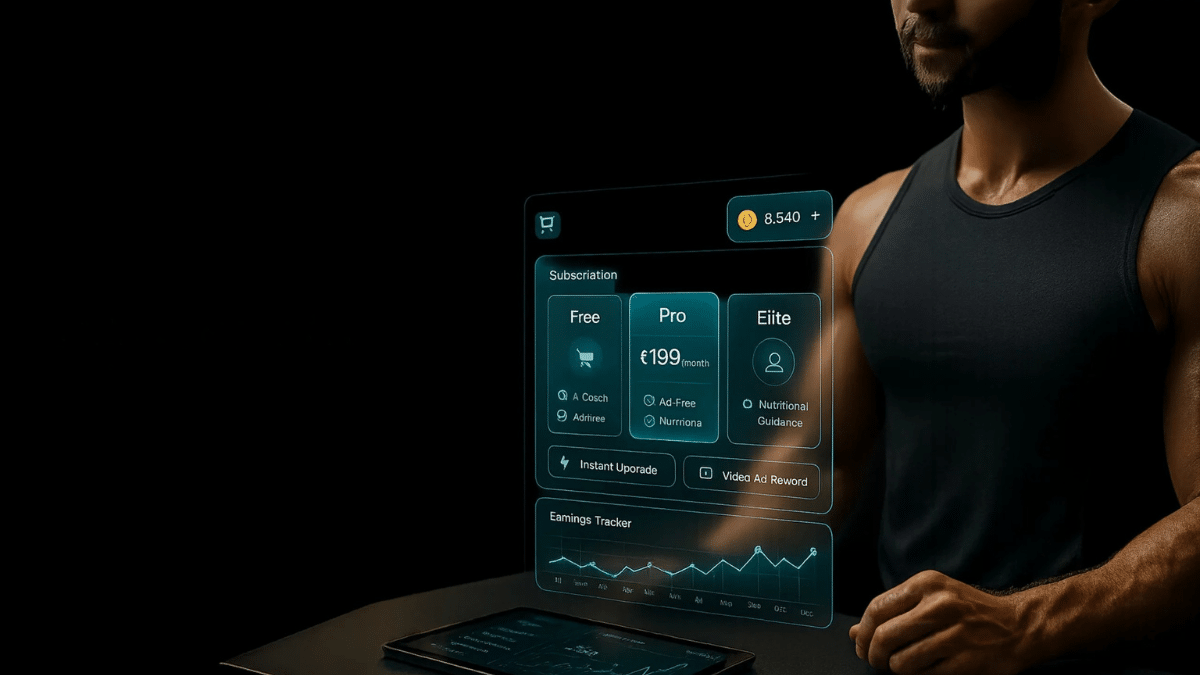
While the microtransaction model offers clear revenue opportunities for developers, its real value hinges on user experience and satisfaction. Consumers need to discern whether these bite-sized purchases enhance their wellness journey or simply drain their wallets without a meaningful return.
Microtransaction Benefits for Users Seeking Personalization
Many users are drawn to fitness apps that offer tailored experiences, and microtransactions make this possible. For example, someone training for a marathon might pay to access advanced running analytics or endurance-focused meal plans. These optional purchases provide personalized support that can be more relevant than standard features.
Key advantages of microtransactions in fitness apps include:
- Cost control: Users spend only on the features they actually need.
- Flexibility: New tools can be added incrementally, adapting to changing fitness goals.
- Accessibility: Premium content becomes affordable when broken into smaller parts.
Although the model seems appealing, it’s essential to assess how often users end up paying. Frequent purchases may result in higher total expenses than an annual subscription, with users sometimes unaware of the accumulating cost.
Microtransactions offer value when they align with specific objectives, but they can quickly lose appeal if content lacks substance. Smart consumers must balance convenience with cost-efficiency.
Hidden Costs and Downsides of Microtransactions in the Fitness Apps Industry
Despite their benefits, microtransactions in fitness apps aren’t always a win for users. In many cases, essential features like progress tracking or diet recommendations are locked behind multiple payments. This strategy can fragment the user experience, turning what should be a seamless fitness journey into a pay-per-feature puzzle.
Additionally, frequent payment prompts may interrupt workouts or break focus, diminishing motivation. Even worse, some users feel misled by apps that advertise “free” access, only to discover a wall of paid content after installation.
Potential downsides include:
- Inconsistent value delivery
- Deceptive pricing strategies
- Loss of user trust due to excessive paywalls
Over time, the constant need to unlock basic tools can erode the app’s perceived value. While microtransactions may seem minor, their cumulative impact should not be overlooked, especially for users on tight budgets.
When Microtransactions Make Sense in Fitness Apps
Despite criticism, there are times when the microtransaction model is not only acceptable but also optimal. Fitness enthusiasts with niche goals or fluctuating schedules may prefer the flexibility of paying as they go. For example, someone interested only in guided yoga sessions might find it reasonable to unlock those features without investing in broader tools they won’t use.
To get the most out of microtransactions, users should:
- Review app reviews and developer transparency before purchasing
- Track their total spending over time
- Choose apps that clearly explain what’s included in each purchase
When used strategically, microtransactions can enhance fitness progress without overwhelming costs. The key is making informed choices and resisting impulse buys that don’t serve your goals.
Wrapping up
The microtransaction model in fitness apps is a double-edged sword. On one hand, it empowers users with control and personalization. On the other hand, it risks leading to fragmented experiences and unforeseen expenses. Whether these purchases are worthwhile ultimately depends on how thoughtfully users engage with the platform.
A measured approach, balancing feature desirability, budget, and long-term goals, will help users determine if microtransactions enhance their wellness journey or simply inflate costs. In moderation, they can provide added value. When overused or poorly implemented, they may do more harm than good.