
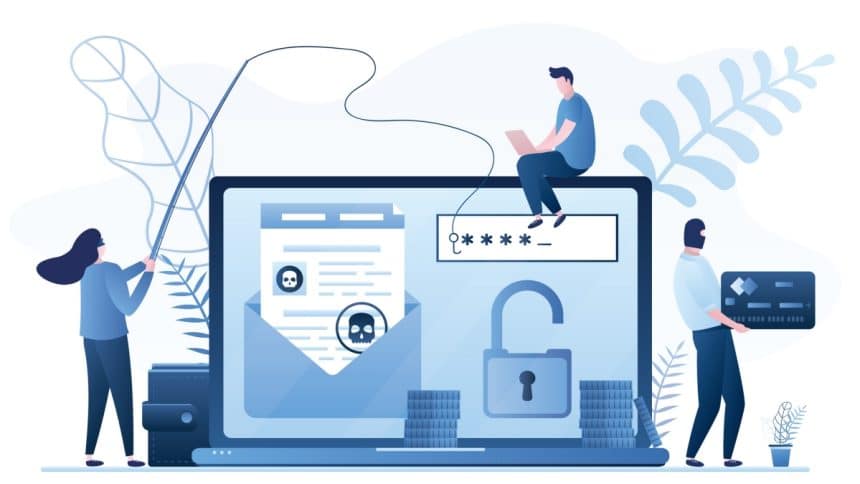
In today’s fast-paced age, cybercriminals have honed their skills in exploiting human vulnerabilities to access sensitive information without authorization. Among their strategies is phishing, a fraudulent method aimed at deceiving individuals into sharing confidential data. Both businesses and individuals are falling prey to these tactics frequently, resulting in serious repercussions, like financial harm and harm to reputation. Organizations are implementing measures to counter this escalating menace, including training programs that involve simulated phishing exercises. As you continue reading this article, it delves into the advantages of utilizing phishing simulations as a tool in mastering defense against phishing attacks. Without further ado, let’s explore more about mastering phishing defense.
Understanding the Essence of Phishing
Before diving deep into how to enhance awareness with phishing simulation, let’s try to understand what phishing is. Phishing assaults entail cybercriminals sending emails or messages that appear genuine to targets. These schemes often imitate entities or organizations, making it challenging for users to differentiate between deceptive communications. By interacting with links or disclosing information, individuals unknowingly surrender valuable data assets to hackers.
The Significance of Training for Awareness
Employing phishing campaigns has emerged as a strategic tactic among organizations aiming to fortify their defenses against such attacks. Enhancing employee awareness about techniques used by hackers plays a role in thwarting successful breaches within organizational infrastructures.
Why Simulations Are Effective
Phishing simulations replicate real-world situations by sending out phishing emails and observing how employees react. This method offers many benefits in boosting security awareness:
Connecting Actions to Outcomes
Simulated attack campaigns serve as engaging aids that help employees understand the results of their actions in a secure setting. By exposing them to simulated attacks and showcasing the consequences of their behaviors, simulations impart critical lessons on vigilance without jeopardizing valuable company resources.
Immediate Learning Opportunities
Through crafted simulations, organizations can provide feedback when employees fall for phishing attempts or demonstrate cautious behavior. This feedback-driven learning process enables individuals to identify their vulnerabilities and familiarize themselves with the strategies commonly used by cybercriminals, laying a foundation for enhancement.
Fostering Proactive Defense
Phishing simulations motivate employees to actively defend against cyber threats. By honing their abilities to spot warning signs like URLs or email addresses, employees can arm themselves with the skills to detect phishing attempts and manage risks efficiently.
Assessing Organizational Readiness
Conducting phishing simulations offers organizations insights into their existing level of security awareness and readiness. By testing how simulated attacks are responded to and their success, companies can pinpoint areas that need training and promptly fill any knowledge gaps among employees.
Key Factors for Successful Simulations
To ensure results, it is crucial to take into account the following elements when creating and executing phishing simulations:
Customized Approach
Simulations should be tailored to match the roles and duties of employees within an organization to boost engagement levels. Tailoring simulations ensures that the content remains relatable while accurately depicting the types of threats employees may face.
Diverse Simulation Content
Using a variety of formats for attacks promotes training that caters to different learning preferences. Incorporating text-based emails, voice messages, or even SMS campaigns provides individuals with experiences they might encounter in their interactions.
Gradual Increase in Difficulty Levels
Phishing simulations should be structured with escalating difficulty levels encompassing both scenarios akin to real-life attacks and more intricate situations resembling sophisticated campaigns carried out by adept hackers.
In Summary
In the fight against the evolving threat of phishing attacks, organizations must emphasize proactive initiatives that educate employees about potential risks. Conducting phishing simulations offers chances to increase awareness, facilitate learning, cultivate proactive defenders, and thoroughly assess organizational readiness. When these tactics are integrated with cybersecurity efforts, companies can strengthen their security measures, resulting in defense against phishing risks.
So what are we waiting for? It’s time to recognize the value of simulations in empowering individuals to take on the role of frontline protectors within organizations.