For many people, sleep technology has become increasingly complicated. Apps track data without offering solutions, wearables buzz or vibrate at the wrong time, and supplements promise results that don’t always arrive. At CES 2026, LumiMind is presenting a different approach—one that listens to the brain directly and responds in real time.
The company is showcasing LumiSleep, a consumer sleep device built on non-invasive EEG monitoring and adaptive acoustic modulation. Designed to be worn comfortably through the night, LumiSleep aims to support the brain’s natural transition into sleep without medication, stimulation, or invasive procedures. Alongside the product, LumiMind is also demonstrating the broader capabilities of its brain–computer interface technology through live, real-time applications on the CES show floor.
A Sleep Device Designed Around the Brain
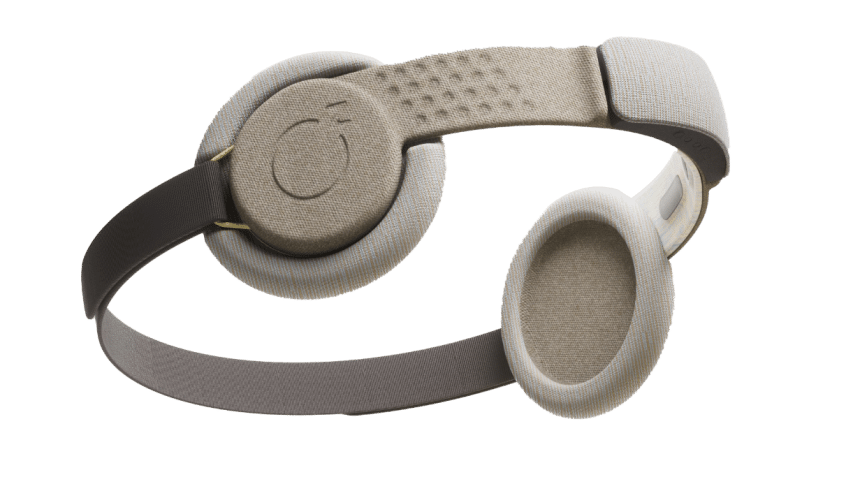
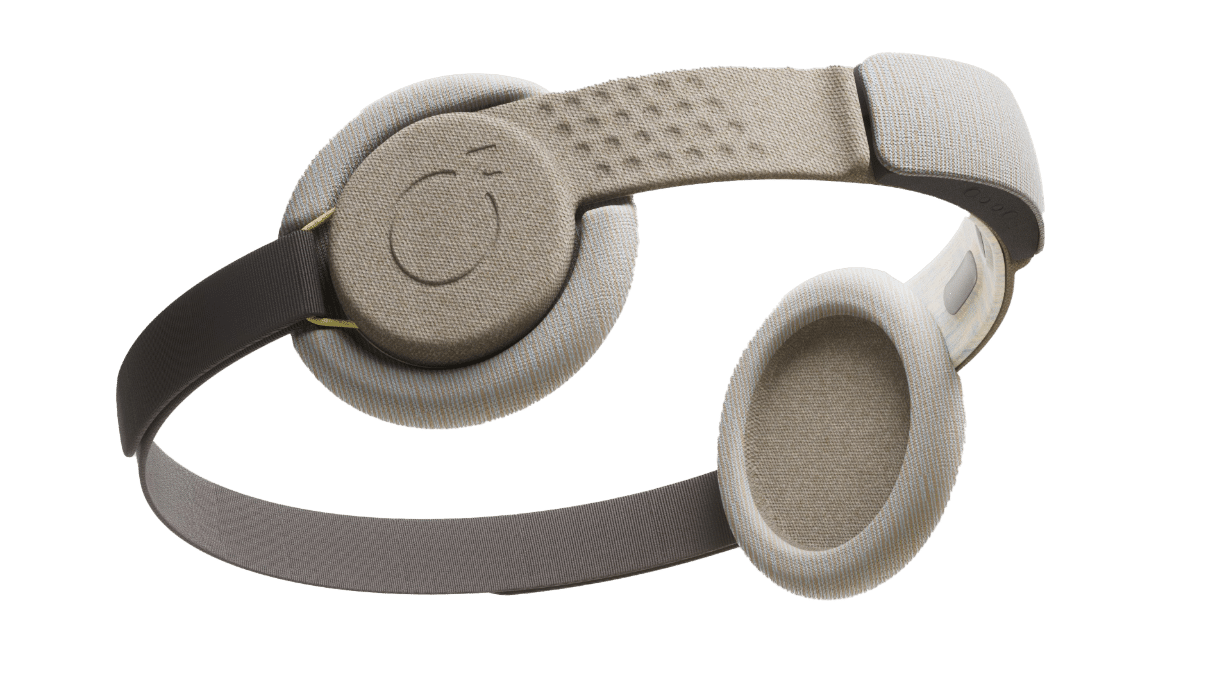
Unlike traditional sleep trackers that rely on motion or heart rate to infer sleep stages, LumiSleep measures brain activity directly. Integrated EEG sensors are built into a soft, over-ear headband designed to feel more like a sleep accessory than a medical device.
According to LumiMind, the system continuously monitors neural signals to identify a specific pattern associated with falling asleep, referred to as the Sleep Onset Pattern™. When the brain begins approaching this state, LumiSleep responds with personalized acoustic output designed to gently modulate neural activity and ease the transition into sleep.
The system operates as a closed loop, meaning it listens and responds continuously throughout the night. All processing happens locally on the device, with no reliance on cloud connectivity, allowing LumiSleep to function independently and quietly in the background.
Comfort Comes First
From a design perspective, LumiSleep prioritizes comfort and wearability. The headband uses dry EEG electrodes that don’t require gels or adhesives, and its cushioned over-ear design is suitable for side sleepers. Breathable fabric materials help regulate heat, while localized audio output is designed to avoid disturbing a partner.
Battery life is engineered to last through a full night of use, and a companion app provides sleep insights and settings without requiring the phone to stay active overnight. The result is a product that blends into a bedtime routine rather than disrupting it.
Why LumiMind Is Showing Brain Control at CES
While LumiSleep is the consumer-facing product, LumiMind is also running live demonstrations at CES that reveal the broader potential of its non-invasive brain technology. One of the most notable demos features real-time control of complex digital environments using brain signals alone.
The demonstration isn’t meant to suggest gaming as a sleep feature. Instead, it serves as a capability proof, showing that non-invasive neural decoding can operate quickly, accurately, and continuously in real-world conditions. The same underlying technology powers LumiSleep’s real-time responsiveness.
This research was developed in collaboration with the INSIDE Institute for NeuroAI, which has conducted public demonstrations of non-invasive brain–computer interfaces outside traditional laboratory environments.
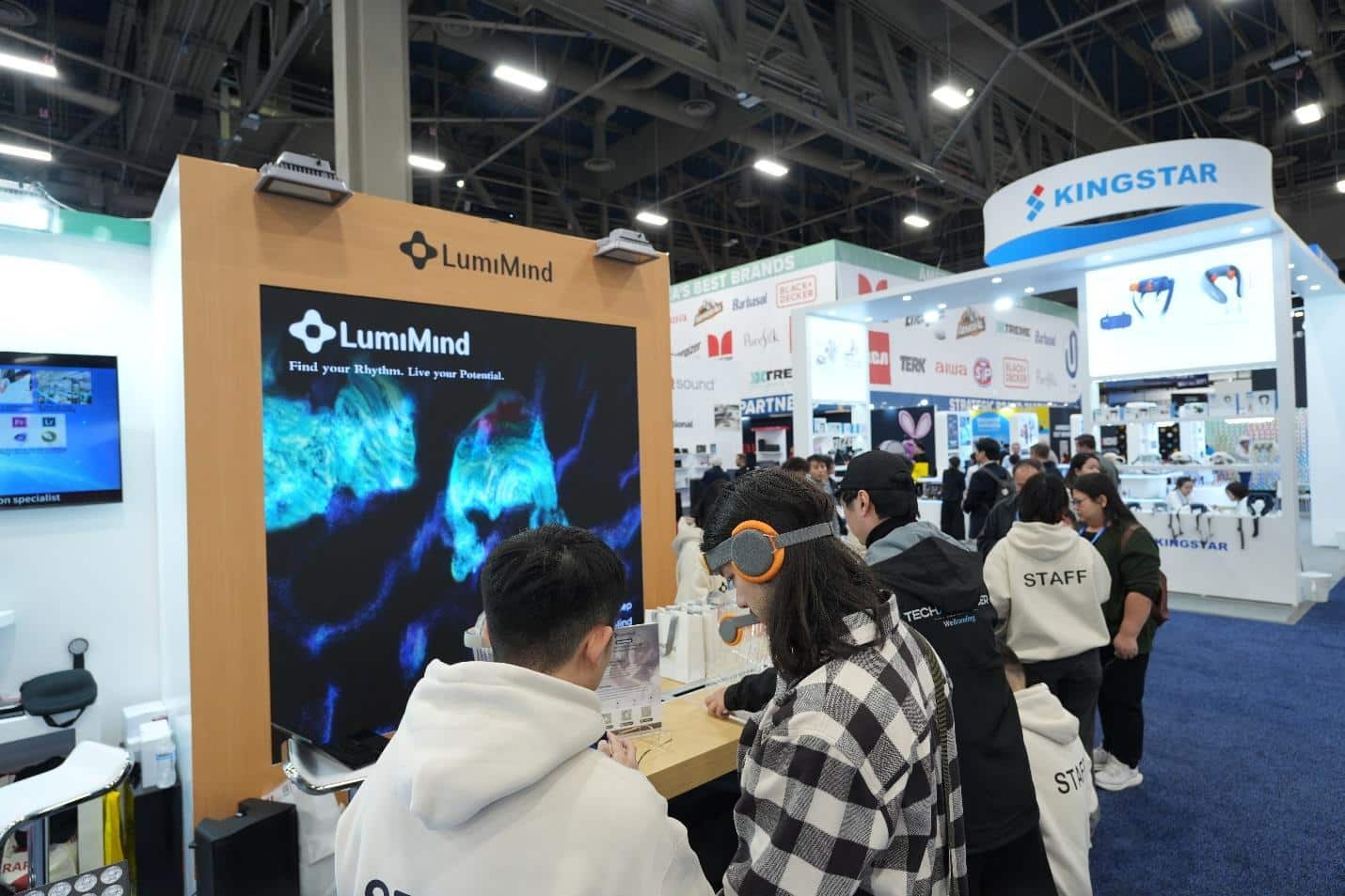
A More Approachable Future for Brain Tech
Much of the public conversation around brain–computer interfaces have focused on implant-based systems pursued by companies such as Neuralink. While those approaches promise powerful capabilities, they also involve surgery and medical oversight.
LumiMind is betting on a more approachable future—one where brain technology is wearable, non-invasive, and designed for everyday life. Starting with sleep, the company envisions expanding into applications like focus, emotional regulation, and hands-free interaction with digital environments.
At CES 2026, LumiMind is presenting brain technology as something gentle, supportive, and deeply personal — designed to help people rest better and interact with technology more naturally.