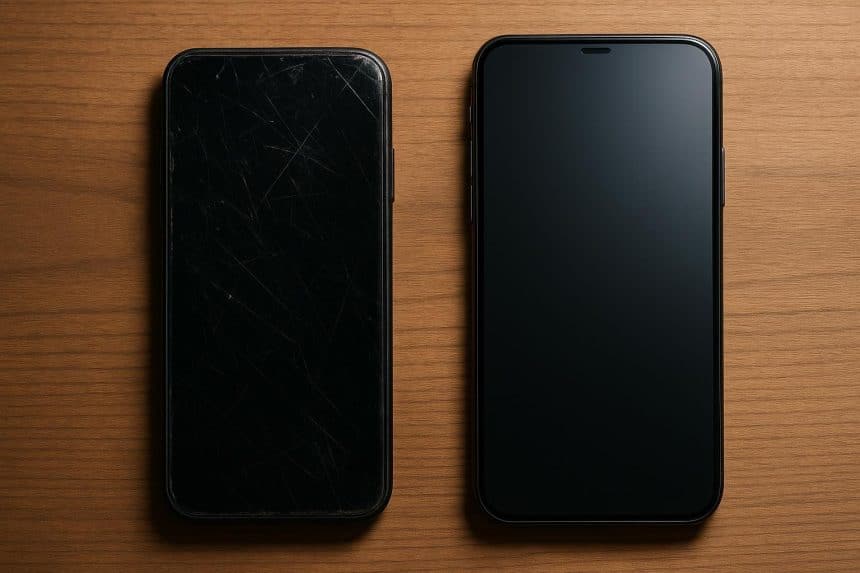
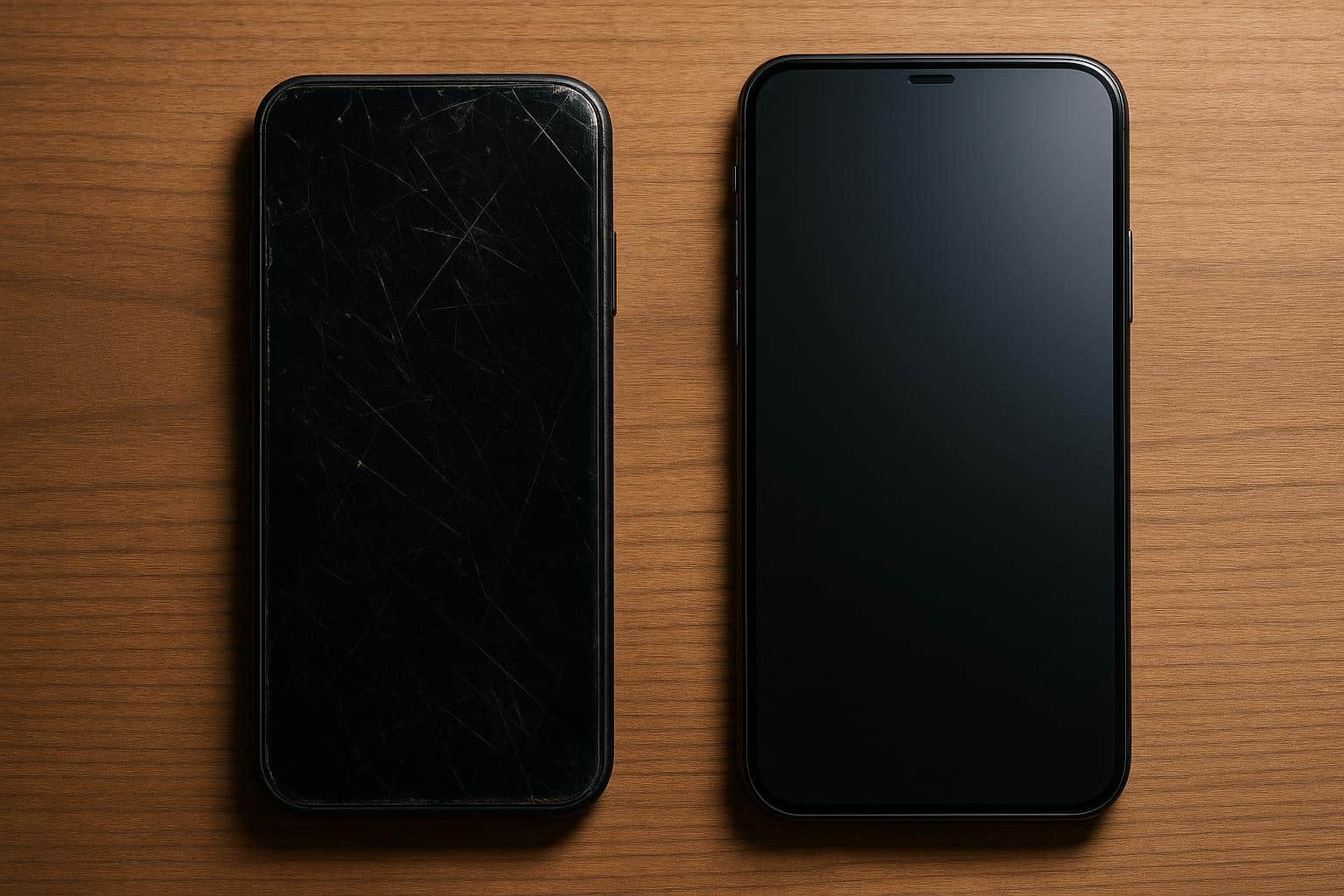
New phone releases arrive every year with faster processors, sharper cameras, and longer feature lists. This constant cycle can make it difficult to determine whether a device truly needs to be replaced or if it still meets everyday needs.
While affordable phone plans can reduce monthly costs, upgrading a device is a separate financial decision that deserves careful evaluation. Understanding how performance, software support, and personal usage habits intersect helps clarify whether upgrading is necessary or simply optional.
Performance Issues That Matter — and Ones That Don’t
Not every slowdown is a sign that a phone has reached the end of its lifespan. Minor lag, occasional app crashes, or longer load times often result from storage limits or background processes rather than failing hardware. Clearing unused apps, updating software, or restarting the device can restore much of its original responsiveness.
Performance issues become more significant when core functions such as calling, messaging, navigation, or basic apps consistently fail. When essential tasks are unreliable despite troubleshooting, replacement may be justified. Distinguishing between manageable inconvenience and functional limitation prevents unnecessary upgrades.
Software Support and Security Considerations
Operating system updates play a large role in determining a phone’s lifespan. Once a device no longer receives security patches or system updates, compatibility with newer apps may decline over time. This can limit functionality and increase exposure to security risks.
However, many phones continue to operate effectively for years after major updates end, especially for basic use. Evaluating which apps and services are essential helps determine whether continued software support is truly required. A lack of updates alone does not always mean a phone needs to be replaced, but it is an important factor to monitor.
Battery Health and Repair Options
Battery performance is one of the most common reasons people consider upgrading their device. Over time, batteries naturally lose their charge, resulting in shorter usage periods and more frequent recharging. While this can be frustrating, it does not always require a new phone.
Battery replacement is often significantly less expensive than purchasing a new device and can restore much of the original usability. Replacement is more appealing when battery issues are combined with other problems, such as overheating or unexpected shutdowns. Assessing repair costs versus replacement costs provides clarity before making a decision.
Cost Comparison Between Upgrading and Keeping a Device
Upgrading a phone involves more than the price of the device itself. Activation fees, accessories, insurance plans, and potential changes to service plans all add to the total cost. Keeping a current phone avoids these expenses and spreads the original investment over a longer period.
In contrast, a new phone may offer efficiency improvements that reduce repair needs or improve daily productivity. Comparing long-term costs rather than focusing on upfront pricing helps determine which option provides better value. Financial clarity reduces the likelihood of upgrading based solely on marketing or convenience.
Lifestyle Changes That Influence Phone Needs
Changes in daily habits often affect how much is needed from a phone. Increased remote work, travel, content creation, or navigation use can make certain features more important than before.
In these cases, an upgrade may support evolving needs more effectively. Conversely, if usage is limited to communication, browsing, and occasional media consumption, older devices are often sufficient. Evaluating how the phone is actually used, rather than how it could be used, helps align technology choices with real-world requirements.
Storage Limitations and Their Impact on Usability
Running out of storage can make a phone feel outdated even when its hardware is still capable. Limited storage affects app performance, software updates, and media management. Before upgrading, reviewing stored photos, videos, and unused apps may resolve space issues.
Many phones also offer built-in tools to identify and safely remove large files and temporary data. When storage constraints persist despite management efforts and interfere with basic functions, upgrading is a more reasonable consideration. Storage-related frustration alone does not always signal obsolescence; however, persistent limitations may justify a change.
Reliability and Daily Convenience
Reliability is often the deciding factor in whether a phone should be replaced. Frequent freezes, dropped calls, unresponsive screens, or charging issues can disrupt daily routines and reduce productivity.
When these problems occur regularly, and repairs no longer provide lasting improvement, replacement is a practical solution. A phone should support daily activities without constant troubleshooting. Evaluating how often issues interrupt normal use provides a clear measure of whether the device continues to meet expectations.
Upgrade With Confidence, Not Pressure
Deciding to replace a phone does not need to be driven by trends or release cycles. A thoughtful evaluation of performance, battery health, software support, and personal usage offers a clearer picture of whether an upgrade is truly needed.
When a device continues to perform reliably and support daily tasks, keeping it longer often delivers greater value. When limitations begin to interfere with essential use, upgrading is a practical investment.