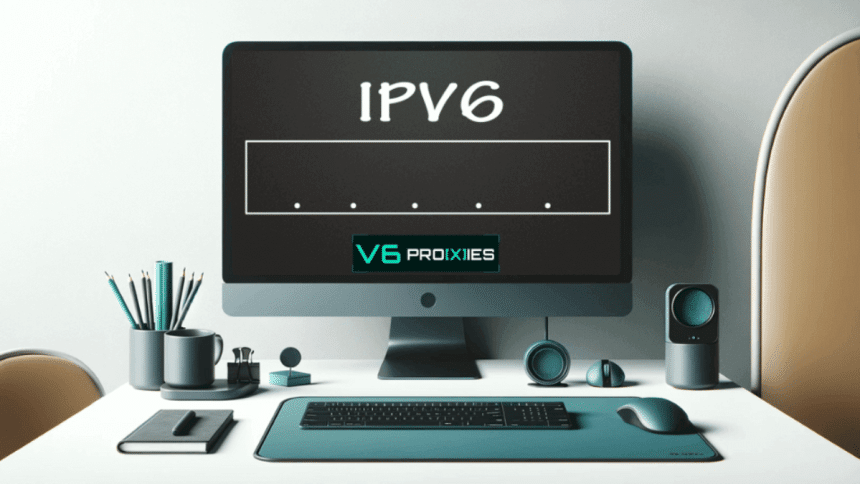
Imagine running dozens of web crawlers overnight, only to find your single IP address blocked by morning. If you’ve wrestled with repeated bans, IPv6 proxies can provide a quick solution, giving you an endless supply of fresh IP addresses all for far less money than you’ll pay for traditional IPv4 proxies.
What Are IPv6 Proxies?
IPv6 proxies are simply proxy servers that use IPv6 addresses instead of the old IPv4 addresses.
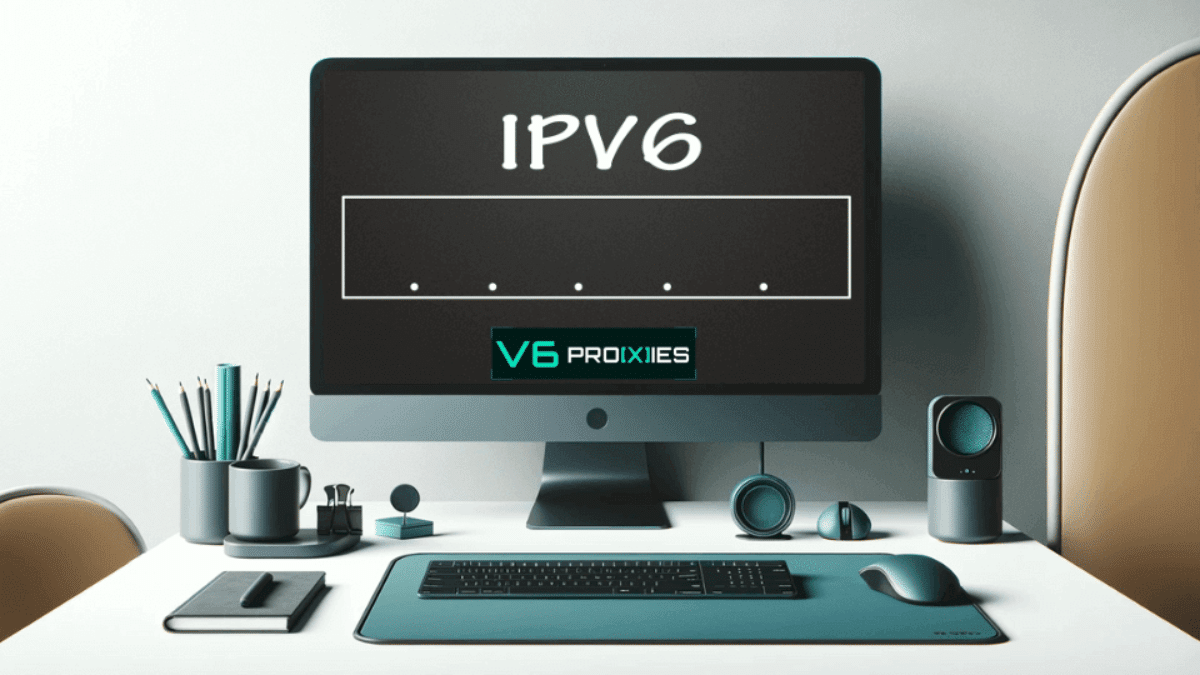
To put it another way, an IPv6 proxy does everything a regular proxy does (hiding your real IP and letting you browse under a different identity), but it uses one of those next-generation IPv6 addresses when talking to websites. The best part is that IPv6 has an almost unlimited pool of addresses: unlike IPv4’s roughly 4.3 billion possible addresses, IPv6 offers 340 undecillion (that’s 3.4×10^38) unique addresses.
Why Use IPv6 Proxies?
As mentioned earlier, you’ll never have to worry about running out of IPv6 addresses, so you can assign a unique address to every connection or thread if needed. For tasks like web scraping or managing multiple accounts, having thousands of IPs ready to go means you won’t hit the usual limits. I’ve run scrapers where each request got a different IPv6 (no two requests from the same IP) and it dramatically reduced blocks.
IPv6 proxies are also way cheaper than IPv4 proxies, and in fact, many proxy providers (including the one I use) sell IPv6 access at just a few cents per IP. $50 could either buy you about 50 IPv4 proxies or hundreds of IPv6 proxies.
Plus, since IPv6 addresses are relatively new, they don’t come with the baggage that many IPv4 addresses have – meaning they haven’t been used, resused, and flagged on website block lists. IPv6 proxies often use fresh IPs that websites haven’t seen before and combined with the ability to rotate through so many addresses, this means that websites find it much harder to recognize and block your proxy IP.
Considerations and Drawbacks
There are huge advantages to IPv6 proxies but there are still a few things to keep in mind. First, not every website or service is reachable via IPv6 yet. Because it’s so new, a huge chunk of the internet still works only on IPv4 so if you try to access an IPv4-only site through an IPv6 proxy, it won’t connect. The good news is that support is constantly improving as more of the web gets on board with IPv6.
Additionally if you send thousands of requests per minute or otherwise behave overtly like a bot, sophisticated websites can still detect patterns. The difference is that with IPv6, it’s much easier to distribute your requests across many IPs, making it harder for sites to pin you down.
Finally, if your work relies on precise geo-targeting IPv6 proxies sometimes have less granular location info. For example, an IPv6 address might correctly show it’s from the United States, but some databases might not pinpoint the city as accurately as they do for IPv4.
Choosing the Right IPv6 Proxy Provider
There are plenty of companies selling IPv6 proxies these days, but their quality and pricing can differ a lot. I ended up using IPv6 proxies from Proxies.com and so far it’s been a positive experience.
They charge about $0.50 per month for a port that gives you unlimited IPv6 rotations. With their setup, each proxy port can dish out an endless stream of IPv6 addresses. That meant I could keep the same IP for as long as I wanted or set it to change on every request. In practice, I never saw the same IP twice unless I chose to. This was amazing for staying under the radar on scraping jobs. It’s like having a gigantic pool of identities to swap between at will.
Proxies.com also has servers around the world, so I was able to get IPv6 proxies based in the regions I required (North America and Europe in my case). Switching locations was straightforward through their dashboard. This is a big deal if you’re doing geo-sensitive tasks like localized SEO tracking or market research in different countries.
Despite the low cost, the proxies performed with solid uptime and low latency and I didn’t experience the random slowdowns that I’ve had with some proxy services in the past. They also offered a free trial without any payment upfront so I was able to test their proxies out before I actually subscribed.
If you’re shopping around, look for these kinds of features: transparent pricing, lots of IPs or rotations included, decent speeds, and helpful support.
FAQ
Q: Can I use IPv6 proxies for any website?
Most modern sites support IPv6, but some older or large platforms still haven’t enabled it. If a site doesn’t support IPv6, an IPv6 proxy won’t be able to reach it. In those cases, you’d need to use an IPv4 proxy.
Q: Why are IPv6 proxies cheaper than IPv4 proxies?
IPv4 addresses are scarce (the world ran out of new ones years ago), so they’ve become costly to obtain. IPv6 addresses, on the other hand, are practically limitless.
Q: Do I need a special setup to use IPv6 proxies?
In most cases, using an IPv6 proxy is no different from using an IPv4 proxy..
Q: Are IPv6 proxies good for web scraping and bots?
Absolutely, assuming the target site supports IPv6. For web scraping, IPv6 proxies are a boon because you can get thousands of IPs to distribute your requests and avoid hitting rate limits or bans.
Q: Should I replace all my IPv4 proxies with IPv6 proxies?
Not necessarily across the board. My advice is to add IPv6 proxies to your toolkit and use them where they make sense. Keep some IPv4 proxies handy for websites or services that don’t play well with IPv6.