Student mental health in remote learning environments has been suffering as a result of the pandemic’s social restrictions. The transition from in-class to remote or blended learning settings has put pressure on students and teachers alike. Most of them admit to have experienced stress, anxiety, or isolation and confess to have noticed limitations in their coping mechanisms. Many students state that they miss their regular school routines and daily interactions with peers, teachers, and support staff. Teachers need to be able to implement a variety of effective approaches in order to support their students’ mental health through online education.

Student mental health – a priority in the remote learning process
Student mental health has evolved as a critical issue in the remote learning process. In a traditional classroom environment, teachers have the ability to observe students directly and interact face to face. This visual contact allows teachers to perceive the early warning signs of their students’ mental health issues. In the online setting, direct sensory contact is significantly reduced. Thus, the dangers to student mental health, as well as the remedies, must be well assessed and consistently worked on. Online teachers need to develop strategies to identify crucial individual or group psychological issues in their classes. Furthermore, a set of institutional policies addressing mental health and student performance should be applied to guarantee a consistent and steady remote learning environment.
Student mental health – an overview of the issues
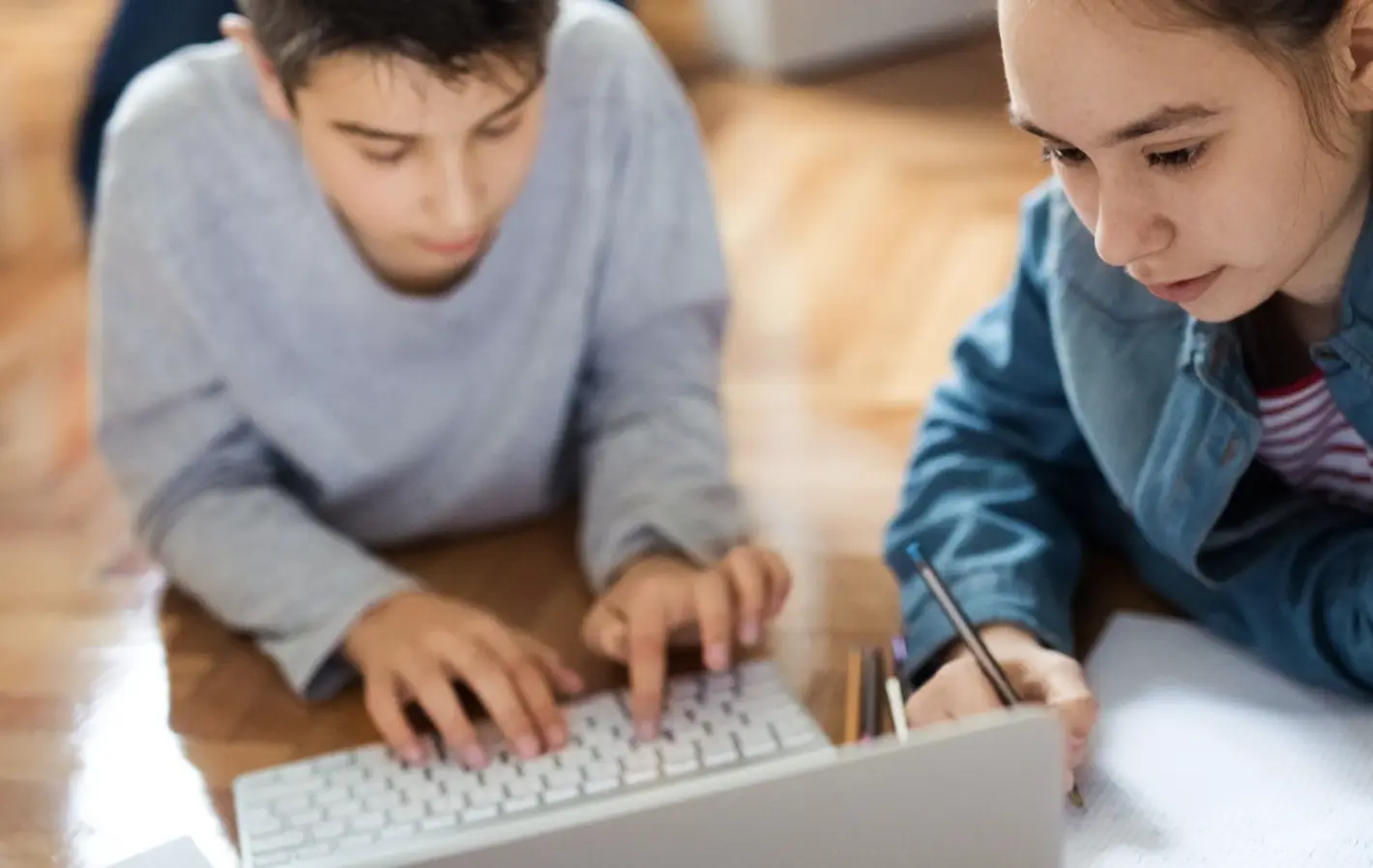
One major consequence of the pandemic’s restrictions is that many individuals have become more sedentary, anxious, and often depressed. In addition, increased phone and computer usage, along with decreased physical activity and contact with nature, have increased the vulnerability of students to mental health issues. A higher risk of social isolation and the resulting psychological issues is observed in individuals who live by themselves and have less direct contact with family members and friends, as well as in those who are less integrated into a social network or a community. Distance learning engenders a higher rate of student mental health alterations compared to the ordinary in-class environment. The most common issues observed by tutoring professionals or disclosed by the students can be summarized as follows:
- Many students report to be given assignments with very little teacher-student interaction.
- Lack of community engagement, study groups, and classroom discussion leaves students feeling alone and isolated.
- Many individuals share that they feel uncomfortable participating online with their cameras on.
- In some grades, an important percentage of the students report being unable to cope with the technical requirements of the abrupt change to digital communication channels.
- Distractions and technical issues at home make it hard for students to stay focused and motivated.
- Living space conditions, such as having one room serving as both a bedroom and a study, cause discomfort and organizational difficulties to a number of individuals.
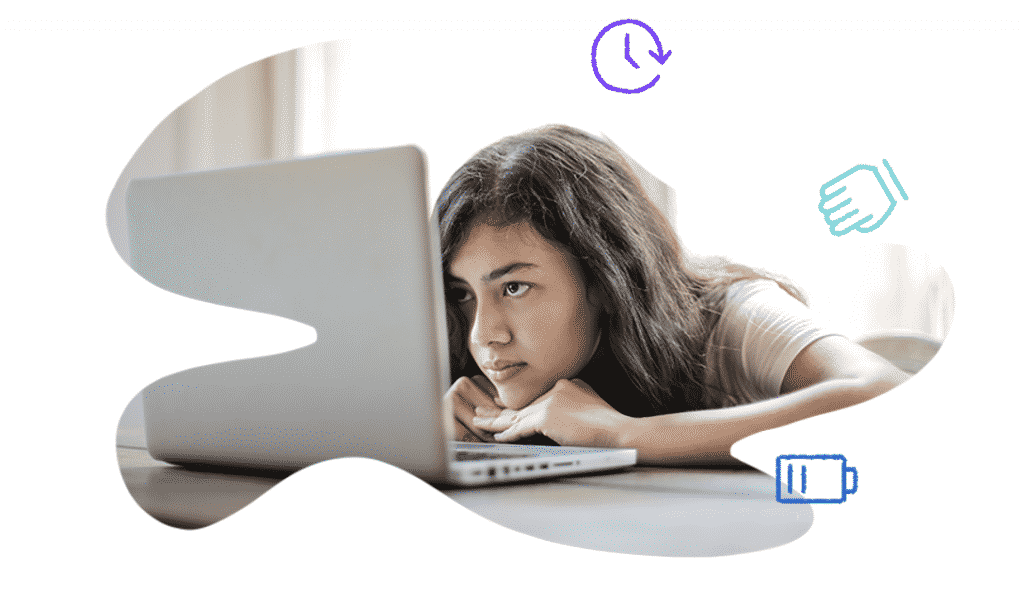
- Spending a lot of unstructured time in front of screens proves to be harmful to the students’ mental health.
- Difficulties in concentrating and staying motivated are reported to be a particular challenge, together with time management.
- Many students experience difficulties with their workloads, as well as with understanding both the assignments that they are given and the guidelines for their completion.
- Extensive self-study without a sufficient and detailed explanation of all the steps is reported as being frustrating in a number of classes and study groups.
- The use of several different learning platforms drives many individuals to feel insecure and decreases their overall performance.
- Uncertainty about exam preparation is another trigger of the students’ mental health instability.
It is important to note that students in general tend to handle the new challenges of remote education by showing a high degree of self-discipline, assuming increased personal responsibility, and being motivated to take on their independent studies. Those who fail to tackle the situation in this manner are at risk of developing psychological issues.
Improving student mental health in a remote learning environment – best approaches
Remote educators need to implement various approaches for the mental well-being and educational success of their students. Furthermore, they should make these group and individual strategies available to their students through the functionalities of the virtual classroom. The following approaches are considered to be among the most effective:
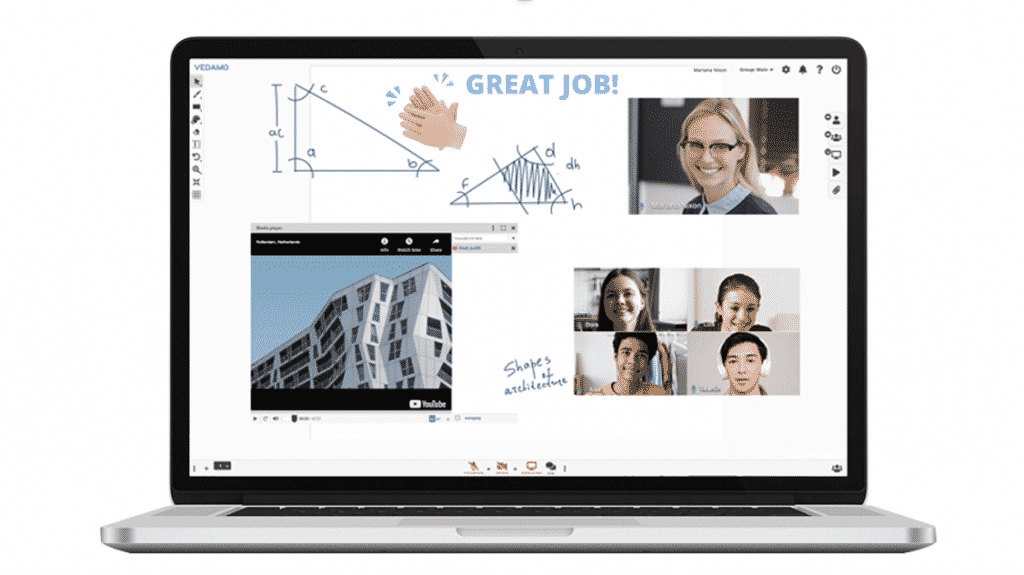
- Emphasize social-emotional learning and use all of the tools that support student growth and self-development.
- Allow students to actively participate in how their schedule is organized, let them role-play the tutor or examiner, and motivate them to think of better time and program solutions.
- Strengthen student relationships through teamwork, encourage cross-evaluations among students, and motivate them to share feedback on teammates and on themselves.
- Provide consistent communication channels and opportunities; provide the option for students and their family members to reach out in order to share thoughts on difficulties and issues as they encounter them; encourage open discussions and personal sessions.
- Offer frequent support to parents and family members via online meetings with detailed feedback and suggestions on the students’ performance.
- Focus on student mental health through regular practices of relaxation, meditation, and other non-learning interactions.
- Bring more enjoyment into each day through discussions on out-of-class activities, global topics, positive events, etc.
Implementing all of these strategies will result in a general improvement of the students’ mental health in the online environment. Flexibility in class times and a reduced workload and school hours are immediate practical solutions. Regular check-ins, initiation of feedback, implementation of various hands-on activities, and fun non-screen practices performed by the teacher will further benefit your students’ mental health.
Supporting student mental health in a remote learning environment – challenge accepted!

With the increasing levels of stress and uncertainty, effective solutions to protecting student mental health and educational performance should be put in place by online educators. School professionals need to adapt to the virtual reality by reaching out and by providing support and guiding services both to the students and their family members. Less self-study and more engagement is crucial to making remote learning truly interactive, beneficial, and valuable to the class, as well as to every individual. Teachers should actively support their students’ mental health in the virtual classroom. Thus, they will succeed in helping them to feel secure, valued, and cared for. One of the main educational goals should be to safely navigate the pandemic-imposed social restrictions and ensure effective schooling during these challenging times before a new normal is established. Blending the students’ point of view and ideas with the wisdom and devotion of the teaching staff can provide new effective ways of learning that can improve the educational experience for everyone.