
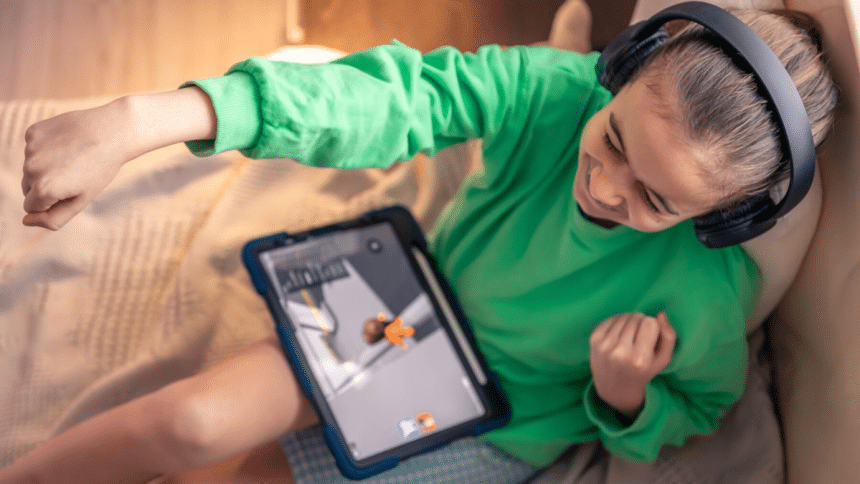
For modern children, some screen time is an inevitability. Watching TV, playing on a tablet, and eventually interacting with others on social media are entertaining experiences, but aren’t necessarily great for learning or development.
How do you maintain a healthy screen time balance in children, allowing them to learn and engage with technology without allowing it to take over their lives?
A Twofold Approach
There are many schools of thought on how to approach the screen time problem in children. But most people at least agree that any strategy should focus on two components.
First, you need to establish rules and boundaries for limiting screen time itself. The focus here is making screen time less attractive and creating consequences for indulging in screens too much. It’s a way of pushing children away from screens.
Second, you need engaging, interesting alternatives that children want to engage in instead of screens. Here, the focus is on giving children something productive and entertaining to do without requiring any screen time. It’s a way of pulling children away from screens.
Let’s take a look at some of the best options for pulling children away from screens, then list some of the best approaches for limiting screen time itself.
Playgrounds
Playgrounds represent one of the best possible alternatives to staring at a screen. On the playground, children can get fresh air and exercise. They can test the limits of their strength, balance, and coordination. And if the playground is open to the public, they can even make new friends. Granted, this may not be where your older teenagers want to hang out, but for most younger children, it’s an ideal spot.
You should have several options for playgrounds in your area. Within walking distance or a short drive, you likely have several playgrounds to choose from, and if you don’t, this could be an opportunity to start a petition to get one built for the public.
If you want to build your own playground, you can do that too – and it might be even better, since you’ll have much more control over the layout and positioning. You can purchase whatever equipment you have the space for, set up playground borders to establish a boundary, and fill the space between with playground surfacing.
From there, you can add as you see fit, and you can set whatever rules you want; you can even make it open to the neighborhood so lots of children get the opportunity to play outdoors.
Reading
Reading is another good alternative for screen time, especially if children get to choose their own books. Reading any type of book is great for language development, creative stimulation, and pure entertainment – and it’s something anyone can participate in. Head to your local library and encourage your children to explore some new intellectual territory.
Going on Adventures
Almost any adventure, even a simple trip to a local store, is better than emptily staring at a screen. Ask your child about things they’ve been interested in or curious about, then plan expeditions to go explore those topics. For example, do they like flowers and plants? Take them to a local greenhouse. Are they animal lovers? Take them to the zoo or visit a local pet shop.
Playing Sports
Playing sports is another way for children to build strength, dexterity, and even valuable relationships with other children. Since there are probably many like-minded parents also encouraging their children to get into sports, you should have no trouble finding an active team.
Effective Rules for Limiting Screen Time
On the other side of the equation, you need some rules for limiting screen time.
· Set strict upper limits (with some exceptions). You should have strict upper limits for how many hours of screen time your children are getting each day. There needs to be some objective standard in place to control the behavior and also maintain awareness of just how much screen time they’re getting. There can absolutely be exceptions, but it needs to be the general rule.
· Create screen-free zones. One popular approach is establishing “screen-free zones” in and around your house. For example, you may completely prohibit any kind of screen time at the dinner table or in bedrooms after a certain time.
· Make screen time earnable. You can also incentivize desired behavior by making screen time earnable. For example, you can give your kids bonus screen time if they hit all their reading goals or spend enough time practicing a sport.
· Delineate healthy and unhealthy screen time. Do recognize the difference between healthy and unhealthy screen time. Watching a documentary as a family isn’t the same as mindlessly scrolling on social media at 1 am. Make sure your screen time structures are flexible enough to accommodate this.
· Be an example. As parents, we are models for our children – whether we like it or not. One of the best things you can do to give your kids a healthier screen time balance is to maintain healthier screen time balance in your own life. With better rules and boundaries for managing screen time and much better alternatives to pull children away from their screens, you can create a much healthier household. Even better, these practices should set your children up for a healthier screen time balance as they grow into adults.