

Cross-border investing used to feel like juggling in a hurricane—every country wielded its own legal system, tax quirks, and currency controls, leaving even seasoned financiers clutching spreadsheets in despair. Special-purpose vehicles (SPVs) emerged as the industry’s answer to that chaos.
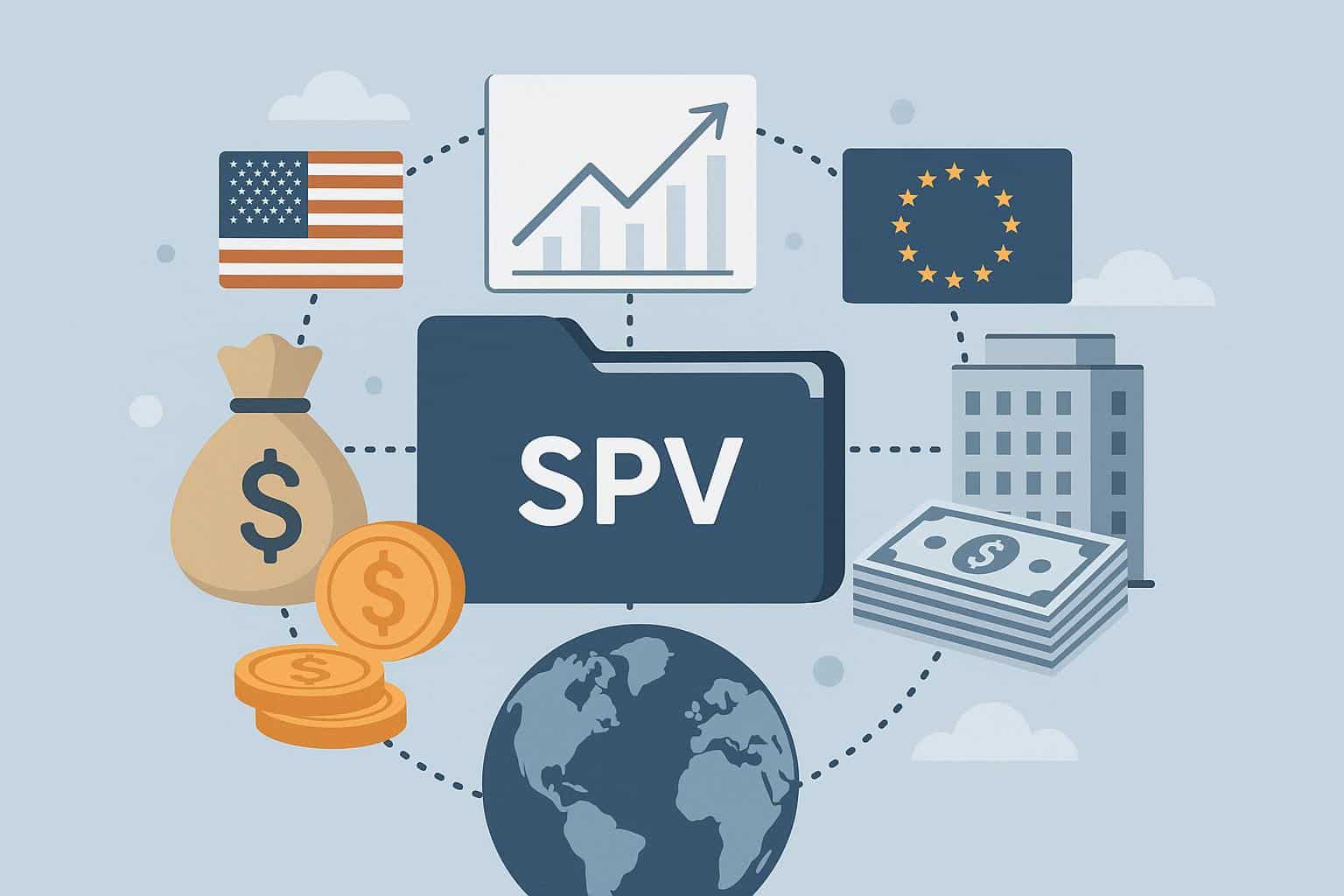
By creating a single, stand-alone entity to hold international assets, an SPV turns dozens of tangled rules into one coherent framework. Investors gain clarity, sponsors gain speed, and capital finally goes where it’s needed without endless red tape.
Streamlining Regulatory Compliance
At the heart of an SPV’s appeal is its capacity to act as a regulatory funnel. Instead of forcing every investor to master multiple jurisdictions, the SPV itself becomes the primary compliance hub. All local filings, registrations, and tax obligations flow through this single entity, sparing backers from direct exposure to unfamiliar statutes.
This one-door policy accelerates deal execution because the project team can prepare uniform documentation, secure approvals in parallel, and present investors with a streamlined subscription process. By concentrating obligations in one jurisdiction, sponsors negotiate fewer variables and enjoy clearer reporting lines, which ultimately reduces both legal fees and implementation timelines.
Ring-Fencing Risk and Liability
An SPV also creates a protective barrier between the investment and its owners. Because the vehicle is legally separate from the parent fund or sponsor, any liabilities—be they lawsuits, environmental claims, or currency shocks—remain fenced within that entity. Limited partners appreciate this structural firewall, as it caps their exposure at the SPV level rather than allowing problems to cascade across their broader portfolio.
From a lender’s perspective, the ring-fenced structure simplifies collateral assessments: only the assets and cash flows of the SPV matter, enabling cleaner credit analysis and, often, better financing terms. That clarity helps sponsors court institutional capital that might otherwise avoid emerging-market risk.
Making Capital Calls and Distributions Seamless
Traditional cross-border vehicles often rely on convoluted escrow arrangements or parallel accounts to move money in and out of a project. An SPV cuts through that complexity by serving as the single clearinghouse for capital flows. Investors wire funds to the SPV’s bank rather than chasing local partners, and the SPV then disburses cash in the target currency as milestones are met.
At exit, sale proceeds or dividends flow back to the SPV first, where withholding taxes are calculated and documented before a consolidated distribution goes to each investor. This centralized chain of custody reassures auditors and eliminates the accounting patchwork that undermines trust in many frontier investments.
Creating a Familiar Home for Global Investors
Perhaps the most underrated benefit of an SPV is psychological: investors feel at home when the vehicle resides in a jurisdiction with transparent corporate governance, enforceable contracts, and English-language documentation. A Cayman, Delaware, or Luxembourg entity translates local deals into a legal dialect that pension funds and family offices already understand, lowering the hurdle for international commitment.
Platforms such as SPV.co have doubled down on this familiarity by digitizing entity formation and ongoing administration, allowing sponsors to launch compliant structures in days rather than months—all without sacrificing investor comfort.
Conclusion
By wrapping foreign assets in a single, purpose-built entity, SPVs replace confusion with clarity, convert diffuse risks into confined ones, and transform messy fund flows into predictable pipelines. For anyone chasing opportunities across borders, mastering the SPV playbook isn’t just smart structuring—it’s a passport to a wider, faster, and safer investment universe.