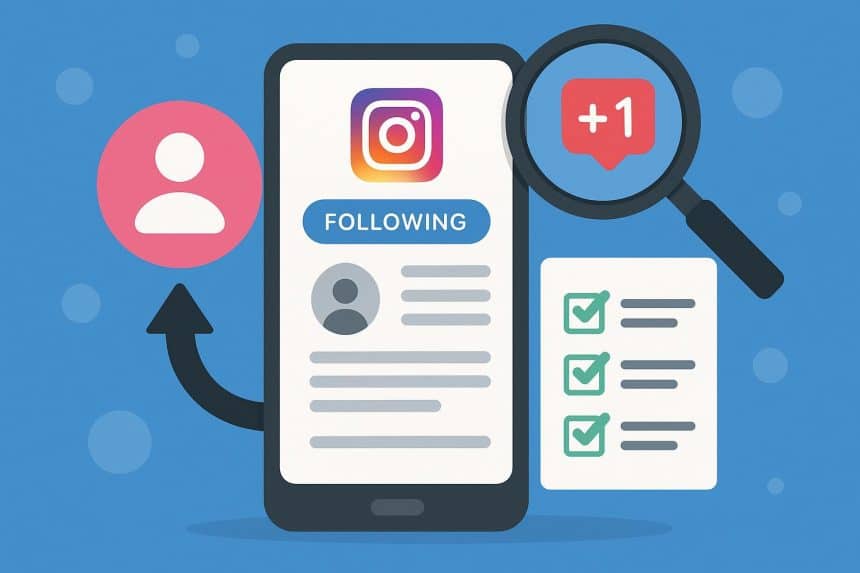
I started paying attention to Instagram follow order when it stopped behaving in a predictable way. Someone would mention a new account they followed, yet that account was buried somewhere in the middle of their following list. A refresh changed the order again, but not in a way that matched time. After repeating this experiment across different profiles, it became clear that Instagram no longer shows follow activity in a sequence people can easily interpret.
That realization pushed me to look closer at how users adapt. Not brands or analysts, but ordinary people who care about timing and context. In parallel, I noticed another pattern. The same people who struggled to read follow order also wanted to observe stories quietly.
Why Instagram Follow Tracking Became So Hard to Do Manually
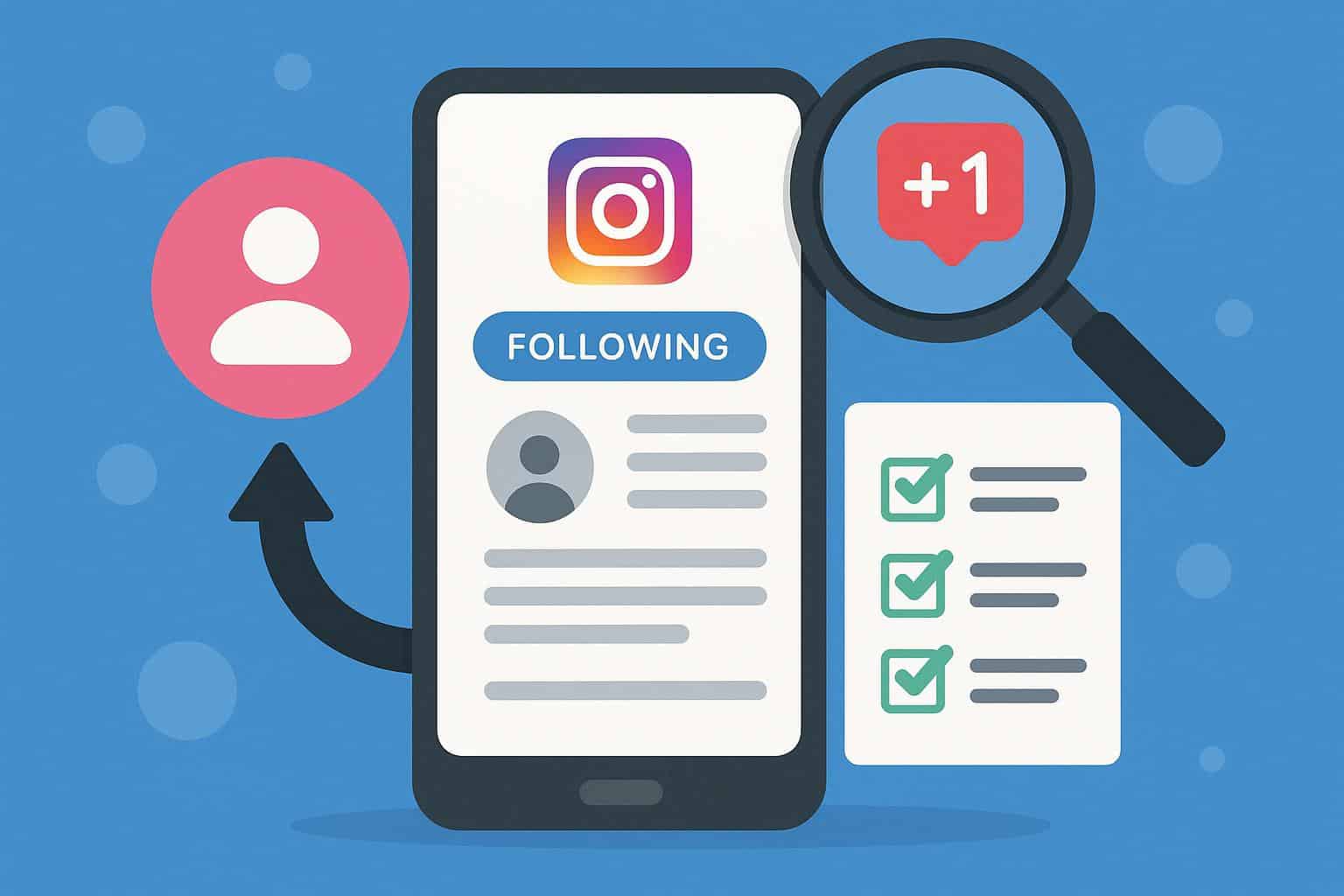
From a research perspective, the first thing I noticed is that Instagram did not make follow order confusing by accident. The platform gradually moved away from chronological logic, and once that happened, manual tracking stopped working.
While looking for ways people try to compensate for this loss of clarity, I kept seeing the same behavioral pattern. Users who struggle to understand follow activity also tend to look for quieter ways to observe stories. The tool https://followspy.ai/story-viewer addresses this need by allowing people to view Instagram stories anonymously, without adding visible signals that could affect social dynamics.
When I compared notes with other users, the same issues came up repeatedly. The following list no longer reflects time. It reflects a mix of engagement history, relevance signals, and internal ranking logic. The result is a list that feels active but unreliable.
The Workarounds People Actually Use
When a platform removes clarity, users invent substitutes. I have seen the same methods appear again and again across conversations.
Some people check follow lists at the same time every day. Others take screenshots and compare them manually. A few keep informal notes, especially when they expect activity to change.
These approaches share clear limitations:
- They depend heavily on memory
- They break when the order reshuffles
- They require repeated checking
- They amplify anxiety rather than reduce it
This is where interest in tools that can view Instagram following lists in chronological order usually begins. Chronology does not add new data. It restores sequence. Once follows are organized by time, there is no need to guess based on Instagram’s random order.
From what I observed, users are not trying to monitor aggressively. They want confirmation. They want to know whether something actually changed or whether they imagined it. Discreet tracking without notifying the account becomes important at this stage. The moment tracking turns visible, it shifts from observation to interaction.
Why Clarity Tools Feel Different From Monitoring
One distinction that kept coming up during my research is the difference between monitoring and clarity. Users talk about these as separate experiences.
Monitoring feels active and intrusive. Clarity feels passive and structured.
Tools designed around clarity focus on organizing existing information. They help users easily spot newly followed accounts and detect changes over time without prompting engagement. This approach is built for clarity, not assumptions.
That distinction matters most in personal contexts. Follow activity often carries emotional weight, even when platforms treat it as background data. When order is unclear, people fill the gaps with narratives. Those narratives escalate faster than facts.
This is why these tools are especially useful for relationship concerns. They do not answer emotional questions. They remove unnecessary ambiguity that feeds speculation. To illustrate how users describe the difference, this comparison comes up often:
| Method | User Experience | Typical Result |
| Manual checking | Uncertain and repetitive | Guessing |
| Screenshot comparison | Time consuming | Partial clarity |
| Chronological tracking | Structured and calm | Confirmation |
The shift from guessing to confirmation changes behavior. People stop refreshing endlessly. They react less emotionally. They trust what they see.
In discussions around this topic, FollowSpy is often mentioned in this context. Not as a monitoring solution, but as a way to restore order when Instagram removes it.
What This Pattern Reveals
After watching this behavior repeat across different situations, one conclusion became clear. The demand did not start with tools. It started with friction. Instagram optimized for relevance and engagement. Users still needed timing and sequence. That gap created workarounds, which then evolved into tools and habits. People track new follows because follow activity still matters socially. When the platform obscures that activity, users look for ways to regain clarity without escalating interaction.
What surprised me most is how quiet this behavior is. There is no announcement and no confrontation. There is only a desire to understand what changed and when.