
Financial technology has moved from a niche to the mainstream, reshaping how people budget, save, invest, and manage payments. For Apple users who already rely on their devices to organise daily life, modern finance apps feel like a natural extension of the digital tools they use. What once required long forms or in-person visits can now be handled in moments from an iPhone, iPad, or Mac. This shift does not replace traditional banking, but it does introduce simpler, more transparent ways to stay in control of money.
What Financial Technology Actually Means for Everyday Users
Financial technology, often shortened to fintech, refers to services built on modern digital tools such as mobile apps, cloud systems, and automated processes. Instead of relying solely on banks or paper statements, users now get real-time insights, personalised recommendations, and dashboards that make money management easier to follow. It takes financial tasks that once felt complicated and turns them into something approachable. This experience is intentionally user-led. The question behind most of these tools is simple: how can money be easier to understand?

Why Apple Users Are Embracing These Tools
iLounge readers value clarity, speed, and usability. The Apple ecosystem is built around those same qualities, which is why financial apps blend in so naturally. Most offer clean layouts, fast navigation, and seamless syncing across devices. This means a budget check on a Mac can follow a tap-based purchase made earlier from an Apple Watch.
Security also feels familiar. Face ID and Touch ID allow quick access without extra steps, giving users confidence while keeping friction low.
Budgeting Apps That Make Money Clearer
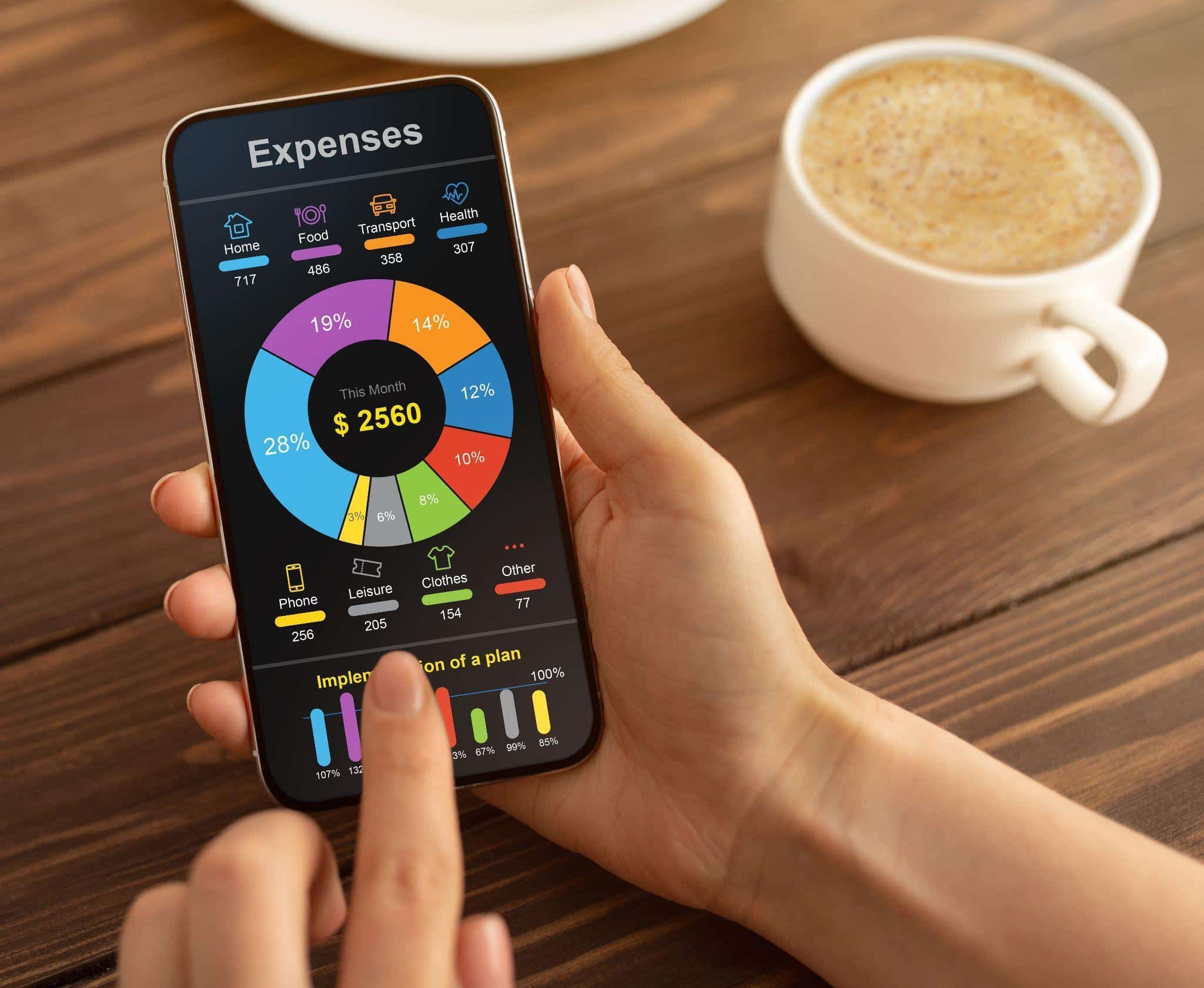
Budgeting tools have become some of the most widely adopted personal finance apps. They automatically categorise transactions, highlight spending trends, and send timely alerts when something looks unusual. This can be especially useful for users navigating subscription renewals or variable monthly spending.
Picture someone checking their Apple Watch during a commute and noticing that travel spending is higher than usual. These quiet reminders help users stay aware without needing to search through bank statements.
Digital First Banks and the Rise of Streamlined Accounts
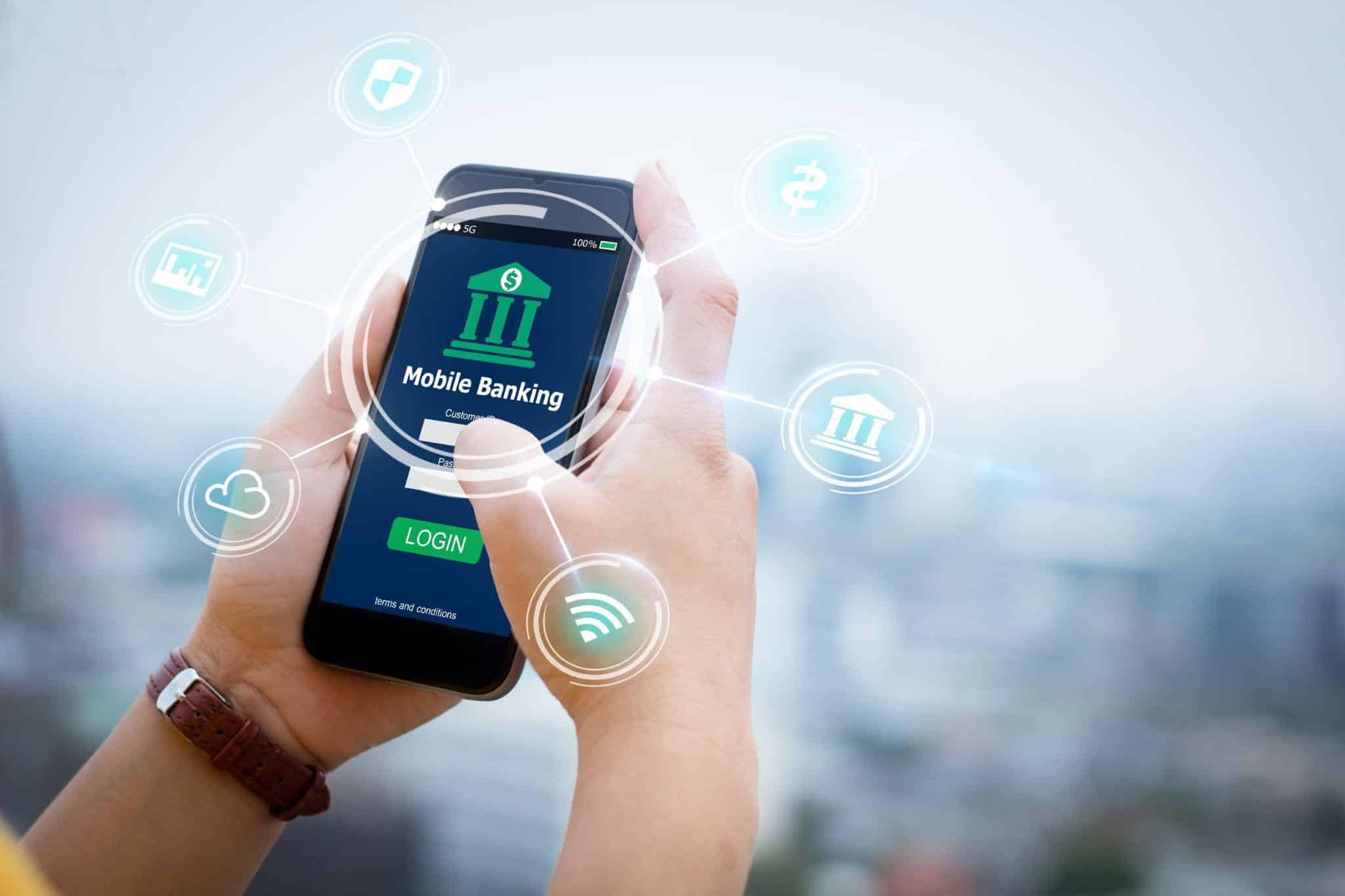
Many consumers are now turning to mobile-based banks that offer a smoother, clearer experience. These platforms typically simplify fees, accelerate payments, and offer customer support directly through an app, for users who expect everyday tasks to be fast and intuitive—digital banking lines up well with broader Apple habits.
Traditional banks remain essential, but mobile-first services appeal to users who want speed and transparency from the tools they rely on daily.
Micro Investing Platforms That Remove the Learning Barrier
Investing used to feel intimidating for beginners, but modern investing apps lower that barrier by allowing users to start with small amounts. Visual charts, simplified explanations, and goal-based layouts make the experience easier to navigate.
Many people enjoy checking progress on an iPad while having morning coffee or reviewing portfolio updates through simple iPhone notifications. These tools help users learn while keeping the tone friendly instead of technical.
Automated Advisors for Long-Term Planning
Automated investing platforms, often called robo advisors, recommend portfolios based on individual goals and risk preferences. They adjust automatically in response to market changes, which helps users stay on track without constant manual decisions.
This approach suits people who want long-term planning without needing deep financial knowledge. It feels like setting a clear destination while letting the technology handle the minor course corrections.
Open Banking and the Value of Connected Accounts
Open banking laws allow users to connect their financial data across different apps securely. This will enable you to see all accounts in one place, receive spending insights powered by AI, and compare financial products with greater transparency. For Apple users, this creates a unified experience instead of bouncing between multiple apps and statements.
Tools that rely on open banking often offer richer insights. Some platforms also plug into charting services like TradingView, allowing users to visualise financial trends more clearly if they want a deeper look at savings or investment patterns. This can be especially helpful for users who prefer data presented in a clean, visual format.
Security and Trust Remain Essential
Even with all this convenience, users still care deeply about data privacy. Reputable financial apps use strong encryption, secure authentication, and regulated data sharing frameworks. While tools simplify money management, they work best when users remain selective about which apps they grant access to their data. Maintaining awareness about permissions and account activity helps ensure that convenience and security stay balanced.
Final Thoughts
Innovation in financial technology is making personal finance more intuitive, more accessible, and far less stressful. For Apple users, these tools fit naturally into a lifestyle that already values clarity and convenience across devices. Whether someone is tracking a budget, exploring new investment options, or simply trying to understand their spending habits, modern finance apps offer a smoother path forward.