Picture this: You’re driving through the stunning landscapes of Monument Valley, desperately trying to find your next campground, but your phone shows no signal. Or maybe you’re streaming your favorite podcast while cruising down Highway 1, only to hit a data limit that cuts you off mid-episode. These connectivity nightmares are all too common for road trippers exploring America’s vast terrain.
The good news? Modern eSIM technology is changing how we stay connected during cross-country adventures. With unlimited data plans and instant activation, eSIMs are becoming the smart traveler’s secret weapon for seamless road trip connectivity. Let’s explore how this digital innovation can transform your next American road trip from a connectivity struggle into a smooth, connected journey.
With unlimited data from quality esim usa unlimited data plans, you can keep navigation apps running continuously without monitoring usage. This constant connectivity proves invaluable when traffic accidents force route changes, or when exploring scenic detours that traditional GPS systems might not recognize. Real-time updates become especially crucial in areas with frequent construction or weather-related road closures.
The Challenges of Staying Connected on USA Road Trips
Road tripping across America presents unique connectivity challenges that can turn an exciting adventure into a frustrating experience. The sheer size of the United States, combined with varying network coverage and outdated connectivity solutions, creates real problems for modern travelers who depend on their devices for navigation, communication, and entertainment.
Unreliable Public Wi-Fi in Remote Areas
Public Wi-Fi promises free internet access, but the reality is far different when you’re exploring America’s remote corners. Rest stops along Interstate highways often provide slow, overcrowded connections that time out when you need them most. Campgrounds in national parks like Yellowstone or the Grand Canyon frequently offer Wi-Fi that barely loads a simple webpage, let alone supports GPS navigation or video calls home.
The problem gets worse in small towns between major cities. That charming diner in rural Montana might advertise free Wi-Fi, but don’t expect to upload photos or check real-time traffic updates. These connectivity dead zones force travelers to rely on cellular data, which brings its own set of challenges for those without proper mobile plans.
High Roaming Costs for International Travelers
International visitors exploring America face shocking roaming charges that can turn a dream vacation into a financial nightmare. European travelers used to affordable europe esim plans often discover that their home carriers charge $10-15 per day for basic US roaming. A two-week road trip from New York to California could easily rack up $200+ in roaming fees alone.
Canadian travelers face similar issues despite being neighbors. Major Canadian carriers often treat US usage as international roaming, charging premium rates for data that costs a fraction at home. These high costs force many international road trippers to limit their connectivity, missing navigation updates, emergency communications, or the ability to share their amazing experiences in real-time.
Juggling Physical SIM Cards Across States
Managing physical SIM cards during multi-state road trips creates unnecessary complications. Travelers often buy prepaid SIMs at airports or electronics stores, only to discover limited coverage in certain regions. A SIM that works perfectly in Los Angeles might struggle in rural Nevada, forcing another purchase and setup process.
The physical aspect adds another layer of frustration. Tiny SIM cards are easy to lose, and swapping them requires tools that aren’t always available on the road. Some travelers carry multiple phones or SIM cards for different carriers, adding bulk and complexity to their travel setup. This old-school approach feels outdated when compared to modern digital solutions.
What Is eSIM Technology and How Does It Work?
eSIM technology represents a major shift in how we think about mobile connectivity, especially for travelers. This digital approach eliminates many traditional pain points while offering unprecedented flexibility for staying connected across different regions and carriers.
Understanding eSIM: The Basics for Travelers
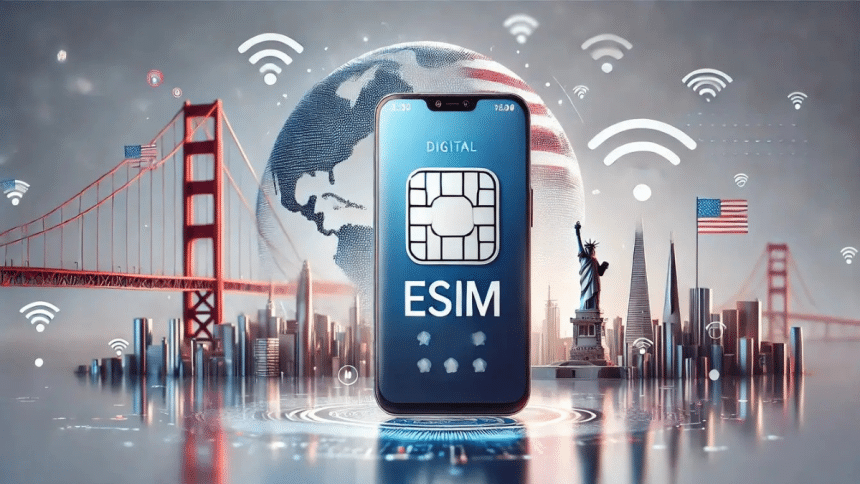
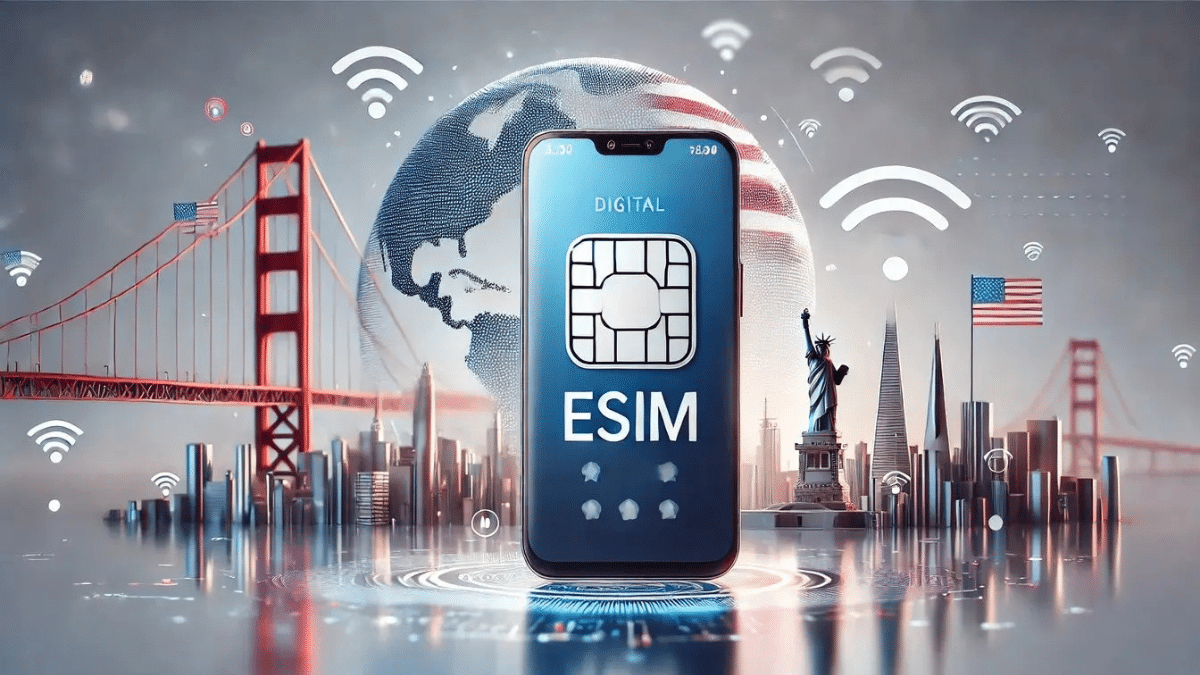
An eSIM (embedded SIM) is a digital SIM card built directly into your smartphone, tablet, or other compatible device. Unlike traditional plastic SIM cards that you physically insert and remove, eSIMs exist as software that can be programmed remotely. Think of it as downloading an app, but for cellular service.
The technology works through QR codes or activation apps that instantly configure your device for a specific carrier and plan. Once activated, your eSIM functions exactly like a traditional SIM card, providing voice, text, and data services. The key difference is the convenience – no more tiny cards to lose, no special tools needed, and no physical swapping required.
Most modern smartphones from Apple (iPhone XS and newer), Google (Pixel 3 and newer), and Samsung (Galaxy S20 and newer) support eSIM technology. Many tablets and smartwatches also include eSIM capability, allowing multiple devices to share connectivity seamlessly.
Why eSIMs Are Ideal for Road Trips
Road trips benefit enormously from eSIM flexibility because they eliminate the geographic and logistical limitations of physical SIM cards. With an eSIM, you can switch between carriers instantly if you encounter coverage gaps, or activate additional plans for specific regions without visiting stores or waiting for shipping.
The digital nature means you can research and purchase plans before your trip, then activate them exactly when needed. This advance planning prevents the stress of finding cellular stores in unfamiliar locations or dealing with language barriers when purchasing local SIMs. You can even set up multiple eSIM profiles on compatible devices, switching between carriers based on coverage or pricing as you travel across different states.
For group travelers, eSIMs simplify connectivity management. Everyone can use the same provider and plan type, making it easier to coordinate and troubleshoot any issues. The instant activation also means that if someone’s plan expires or runs into problems, they can get back online within minutes rather than spending hours searching for solutions.
Benefits of eSIMs with Unlimited Data for Road Trippers
Unlimited data eSIM plans transform the road trip experience by removing the anxiety and limitations that come with traditional capped data plans. When you’re exploring America’s diverse landscapes and attractions, having reliable, unlimited connectivity becomes a game-changer for navigation, entertainment, and staying productive on the road.
Real-Time Navigation Without Data Limits
GPS navigation is arguably the most critical connectivity need for road trippers, and unlimited data ensures you never lose your way due to data restrictions. Apps like Google Maps and Waze consume significant data when providing real-time traffic updates, alternate route suggestions, and detailed satellite imagery. During a cross-country trip, these apps might use several gigabytes of data per week.
The peace of mind extends beyond basic navigation. You can confidently explore off-the-beaten-path destinations, knowing that your navigation system will work reliably. Whether you’re finding hidden waterfalls in Oregon or navigating through the complex road networks of national parks, unlimited data keeps you connected to the information you need.
Streaming and Sharing On the Go
Long road trips become significantly more enjoyable when you can stream entertainment and share experiences without worrying about data limits. Music streaming services like Spotify or Apple Music typically use 50-70 MB per hour for standard quality, while podcast apps use much less. However, over a multi-week road trip, these numbers add up quickly.
Unlimited data plans let you stream freely, creating the perfect soundtrack for your American adventure. You can discover new music as you travel through different regions, stream local radio stations, or enjoy long-form podcasts during those stretches of highway with scenic but repetitive views. The freedom to consume audio content without restrictions makes driving time more productive and enjoyable.
Social media sharing becomes equally stress-free with unlimited data. You can post photos and videos from iconic locations like the Golden Gate Bridge or Mount Rushmore without calculating data costs. Live streaming your experiences through platforms like Instagram Stories or Facebook Live lets friends and family join your journey virtually, creating shared memories even when separated by distance.
Staying Productive on Long Drives
Remote workers and digital nomads increasingly combine work with travel, and unlimited data makes this lifestyle sustainable during road trips. Video conferencing apps like Zoom or Microsoft Teams can consume 1-2 GB per hour for HD video calls, making unlimited plans essential for maintaining professional commitments while exploring America.
The ability to create mobile hotspots transforms your vehicle into a mobile office. During rest stops or scenic overlooks, you can connect laptops, tablets, and other devices to handle work tasks that require larger screens or specific software. This flexibility allows for productive work sessions while maintaining the freedom to explore new destinations each day.
Email, cloud storage synchronization, and file transfers all become seamless with unlimited data. You can backup photos and videos to cloud services throughout your trip, ensuring precious memories are safely stored even if devices are lost or damaged. The constant connectivity also enables real-time collaboration with colleagues or clients, maintaining business relationships while pursuing travel goals.
Simify: Your Go-To Solution for Seamless USA Road Trip Connectivity
When planning a road trip across America, choosing the right connectivity partner can make the difference between a smooth adventure and a frustrating experience filled with dead zones and unexpected costs. Simify has emerged as a trusted solution for travelers who need reliable, unlimited data throughout their journey.
Why Choose Simify for eSIM Plans
Simify specializes in providing traveler-focused eSIM solutions that address the real-world challenges of staying connected across America’s diverse terrain and network coverage areas. Unlike traditional carriers that primarily serve local customers, Simify designs its plans specifically for people who need reliable connectivity while moving between different regions and coverage zones.
The company’s partnerships with major US network operators ensure broad coverage that extends beyond metropolitan areas into the rural and remote locations that make American road trips special. This comprehensive coverage means you can confidently drive through places like Death Valley, the Adirondacks, or rural stretches of Route 66 while maintaining connectivity for navigation and emergency communications.
Simify’s transparent pricing eliminates the surprise charges that often plague travelers using traditional roaming or prepaid plans. The unlimited data offerings remove the stress of monitoring usage while exploring data-intensive activities like streaming, navigation, and social media sharing. This predictable cost structure helps travelers budget accurately for their trips without worrying about unexpected connectivity expenses.
Hassle-Free Setup for Instant Connectivity
The activation process with Simify is designed for travelers who want to focus on their journey rather than technical setup procedures. The straightforward process begins with purchasing your plan online, receiving a QR code via email, and scanning it with your eSIM-compatible device. Most travelers complete the entire setup process in under five minutes.
This simplicity proves especially valuable when you’re already on the road and need to activate or troubleshoot your connection. Simify’s customer support understands the urgency of connectivity issues during travel and provides responsive assistance through multiple channels. Whether you’re dealing with activation questions or coverage concerns, help is available when you need it most.
The instant activation capability means you can time your connectivity perfectly with your travel needs. Activate your plan just before departing, or set it up to begin on a specific date if you’re traveling from another country. This timing flexibility helps maximize the value of your plan while ensuring you’re connected exactly when needed.
How to Choose the Right eSIM Plan for Your USA Road Trip
Selecting the optimal eSIM plan requires understanding your specific travel needs, device capabilities, and the coverage requirements for your intended route. The right choice can save money while ensuring reliable connectivity, while the wrong plan might leave you struggling with limitations or coverage gaps at crucial moments.
Assessing Your Data Needs
Honest evaluation of your data consumption patterns helps determine whether unlimited plans provide the best value for your road trip style. Heavy users who stream music continuously, upload photos regularly, and use navigation apps extensively will quickly exceed traditional data caps, making unlimited plans cost-effective despite higher upfront costs.
Consider your travel companions’ needs as well. Groups planning to use mobile hotspots for multiple devices, share streaming services, or work remotely will benefit significantly from unlimited data allowances. Even moderate users often find that the peace of mind from unlimited plans outweighs the cost difference, especially during longer trips where overage charges could accumulate quickly.
Factor in unexpected usage scenarios that often arise during road trips. Getting lost might require extended navigation app usage, severe weather could lead to increased communication with family, or discovering amazing locations might inspire extensive social media sharing. Unlimited plans provide flexibility for these unplanned data-intensive situations.
Checking Device Compatibility
Device compatibility verification prevents activation problems that could disrupt your travel plans. Most smartphones released after 2018 include eSIM capability, but confirming compatibility before purchasing prevents disappointment and wasted time during your trip preparation.
Check your device’s eSIM settings menu to confirm the feature is available and unlocked. Some carriers lock eSIM functionality on devices purchased through their financing programs, requiring unlocking before third-party eSIMs will work. International travelers should verify that their devices support eSIM functionality in the United States, as some regional variants have different capabilities.
Consider the number of eSIM profiles your device can store. Most smartphones support multiple eSIM profiles but can only have one or two active simultaneously. If you plan to maintain your home carrier service alongside a US travel eSIM, ensure your device can manage both profiles effectively.
Comparing Network Coverage Across States
Network coverage varies significantly across America’s diverse geography, making coverage comparison essential for route planning. Major metropolitan areas generally offer excellent coverage from all carriers, but rural areas, national parks, and mountainous regions can have significant coverage gaps depending on the underlying network.
Research coverage maps for your specific route, paying special attention to areas where you’ll spend extended time or need reliable connectivity for safety reasons. Desert areas of Nevada and Utah, mountainous regions of Colorado and Montana, and remote sections of Alaska present particular challenges that some networks handle better than others.
Consider the trade-offs between coverage and cost when evaluating options. Premium plans with access to multiple networks provide better coverage but cost more than single-network options. For routes that primarily follow major highways between cities, single-network plans often provide adequate coverage at lower costs.
Tips for Maximizing eSIM Performance on the Road
Getting the most from your eSIM requires understanding how to optimize your device settings and troubleshoot common issues that can arise during travel. These practical tips help ensure reliable connectivity while preserving battery life and managing data efficiently throughout your road trip.
Optimizing Battery Life for Data-Heavy Apps
Continuous connectivity during road trips can drain device batteries quickly, especially when using navigation apps, streaming services, and maintaining hotspot connections. Strategic power management keeps your devices running throughout long driving days while maintaining the connectivity you need.
Enable low-power modes when battery levels drop, but understand how these settings affect connectivity features. Most devices reduce background app refresh and limit some network activities in power-saving modes, which can delay message notifications or pause automatic photo backups. Balance power conservation with connectivity needs based on your current situation and charging opportunities.
Close unnecessary apps running in the background, particularly those that might be syncing data or refreshing content continuously. Social media apps, news applications, and email clients can consume significant battery and data when left running, especially in areas with weak signal strength where devices work harder to maintain connections.
Invest in reliable car charging solutions that can handle multiple devices simultaneously. USB-C PD chargers and multi-port adapters ensure that navigation devices, phones, and other electronics stay powered throughout long driving days. Consider backup battery packs for situations where you’ll be away from vehicle power for extended periods.
Troubleshooting Connectivity Issues
Common eSIM connectivity problems have straightforward solutions when you understand the underlying causes and troubleshooting steps. Signal drops, slow data speeds, and activation errors can often be resolved quickly without contacting customer support, keeping your trip on schedule.
When experiencing signal issues, try toggling airplane mode on and off to force your device to reconnect to available networks. This simple reset often resolves temporary connection problems and can help your device find stronger signal sources in areas with multiple tower options.
Restart your device if you encounter persistent connectivity problems or unusual behavior. This complete reset clears temporary software glitches that might interfere with eSIM functionality and ensures that network settings are properly configured. Most connectivity issues resolve after a simple restart.
Check for carrier settings updates in your device’s settings menu. These updates optimize your device’s connection to specific networks and can resolve compatibility issues or improve performance in certain coverage areas. Enable automatic updates to ensure your device always has the latest optimization settings.
If you’re still experiencing issues, verify that your eSIM profile is properly activated and selected as the primary data connection. Some devices allow multiple cellular profiles but might not automatically switch to the intended data source, causing confusion about which plan is actually providing connectivity.
FAQs: eSIMs for USA Road Trips
Understanding common questions about eSIM usage during American road trips helps travelers make informed decisions and avoid potential pitfalls. These frequently asked questions address the most common concerns about coverage, activation, cost-effectiveness, and functionality.
Do eSIMs work in rural USA areas?
eSIMs work in rural areas exactly like traditional SIM cards – their performance depends entirely on the underlying network coverage rather than the SIM technology itself. Major carriers like Verizon, AT&T, and T-Mobile have extensive rural coverage, but significant gaps still exist in remote areas like parts of Montana, Nevada, and northern Maine.
The advantage of eSIMs in rural areas comes from the ability to switch between carrier profiles if your device supports multiple eSIMs. If one network has poor coverage in a specific location, you can potentially switch to another network with better local coverage. Some travelers carry backup eSIM profiles from different carriers specifically for this purpose.
National parks and wilderness areas present particular challenges regardless of SIM technology. Places like the interior of Yellowstone, remote sections of the Grand Canyon, or wilderness areas in Alaska may have limited or no cellular coverage from any carrier. Plan accordingly by downloading offline maps and informing others of your itinerary when traveling through these areas.
How do I activate an eSIM for my road trip?
Activating an eSIM is typically much simpler than travelers expect. After purchasing your plan, you’ll receive a QR code via email or through the provider’s app. Open your device’s cellular or mobile data settings, select “Add Cellular Plan” or “Add eSIM,” then scan the provided QR code with your device’s camera.
The activation process usually completes within minutes, though it can take up to an hour in rare cases. Ensure you have a stable internet connection during activation – Wi-Fi works fine for this initial setup. Some providers also offer manual activation using activation codes if QR code scanning doesn’t work properly.
Label your eSIM profile with a recognizable name like “USA Travel” to distinguish it from other cellular plans on your device. Set up your preferred usage settings, including whether to use the eSIM for data, calls, or both. Most road trippers use their travel eSIM primarily for data while maintaining their home carrier for voice calls.
Are unlimited data eSIMs cost-effective for short trips?
Unlimited data eSIMs often provide better value than traditional alternatives even for short trips, particularly when you consider the convenience and peace of mind they provide. A week-long road trip using navigation apps, streaming music, and sharing photos can easily consume 10-20 GB of data, making unlimited plans competitive with high-limit alternatives.
Compare the total cost including overage charges, activation fees, and the time value of managing multiple plans or restrictions. Traditional prepaid plans might appear cheaper initially but can become expensive when you exceed data limits or need to purchase additional data packages mid-trip.
International travelers find unlimited eSIM plans especially cost-effective compared to roaming charges from their home carriers. A few days of international roaming at $10-15 per day often costs more than a week-long unlimited eSIM plan, making the choice clear for most travelers.
Can I use my eSIM for hotspotting on the road?
Most unlimited eSIM plans support mobile hotspot functionality, allowing you to share your connection with other devices like laptops, tablets, or additional phones. This capability transforms your smartphone into a mobile internet hub for group travel or remote work needs.
Check your specific plan’s hotspot limitations, as some providers throttle hotspot speeds after certain usage thresholds while maintaining full-speed access for direct phone usage. Understanding these limitations helps you plan usage appropriately and avoid unexpected slowdowns during critical work sessions or entertainment needs.
The hotspot feature proves particularly valuable at campgrounds, hotels with poor Wi-Fi, or during extended stops where multiple devices need internet access. Consider your device’s battery life when using hotspot features extensively, as broadcasting Wi-Fi consumes additional power beyond normal cellular usage.
What happens if my eSIM data runs out mid-trip?
With truly unlimited data plans from reputable providers like Simify, running out of data shouldn’t be a concern since there are no hard data limits to exceed. However, some plans may throttle speeds after extremely high usage (typically 50+ GB per month), though this rarely affects normal travel usage patterns.
If you experience connectivity issues that seem related to data limitations, contact your provider’s customer support for clarification. Many apparent “data limit” issues are actually network congestion or coverage problems that can be resolved through troubleshooting rather than plan changes.
For peace of mind, consider providers that offer genuine unlimited plans without throttling or deprioritization. These plans cost slightly more but eliminate any concerns about data limitations during your travels, allowing you to focus on enjoying your road trip rather than monitoring usage statistics.
Most quality eSIM providers also offer top-up options or plan upgrades that can be activated instantly if you do encounter unexpected limitations. This flexibility ensures that connectivity problems don’t derail your travel plans, even in worst-case scenarios.