
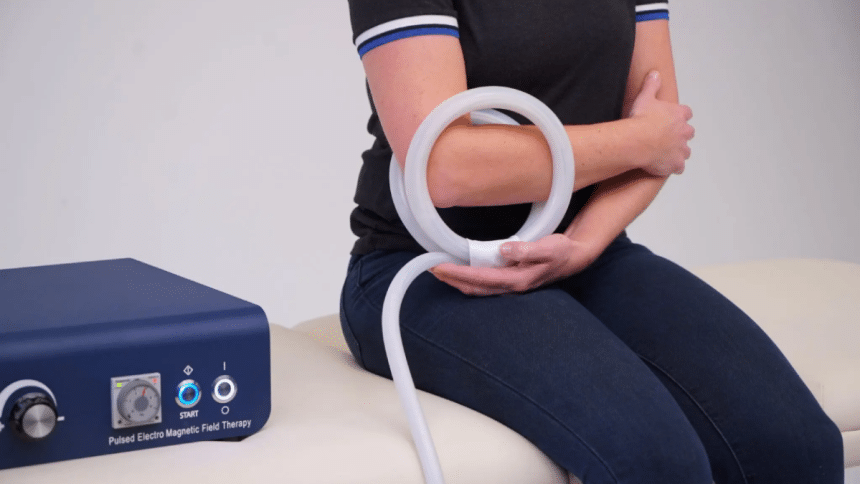
You get home from work, exhausted, and all you want is to flop down on the couch and zone out to Netflix or scroll on socials. While that might distract you, it doesn’t necessarily help you rest, heal, or feel rejuvenated. What if, instead, you lay down on a Pulsed Electromagnetic Field (PEMF) mat? It’s said to help you feel truly rested, recharging your cells, reducing pain, and boosting circulation so you can get the recovery you really need. They’re growing in popularity — but does the science actually support the claimed benefits? Let’s find out how they really work and the benefits science supports to see if they’re worth buying.
What is a PEMF mat?
Before diving into the mat itself, it’s important to understand how PEMF therapy works. In a nutshell, it’s a non-invasive wellness practice that uses gentle electromagnetic pulses to induce natural healing. The idea behind it is like giving your body’s cells a boost: just like our cell phones need charging, our body’s cells might benefit from a recharge, too. PEMF therapy’s electromagnetic bursts might help by activating and energizing your cells.
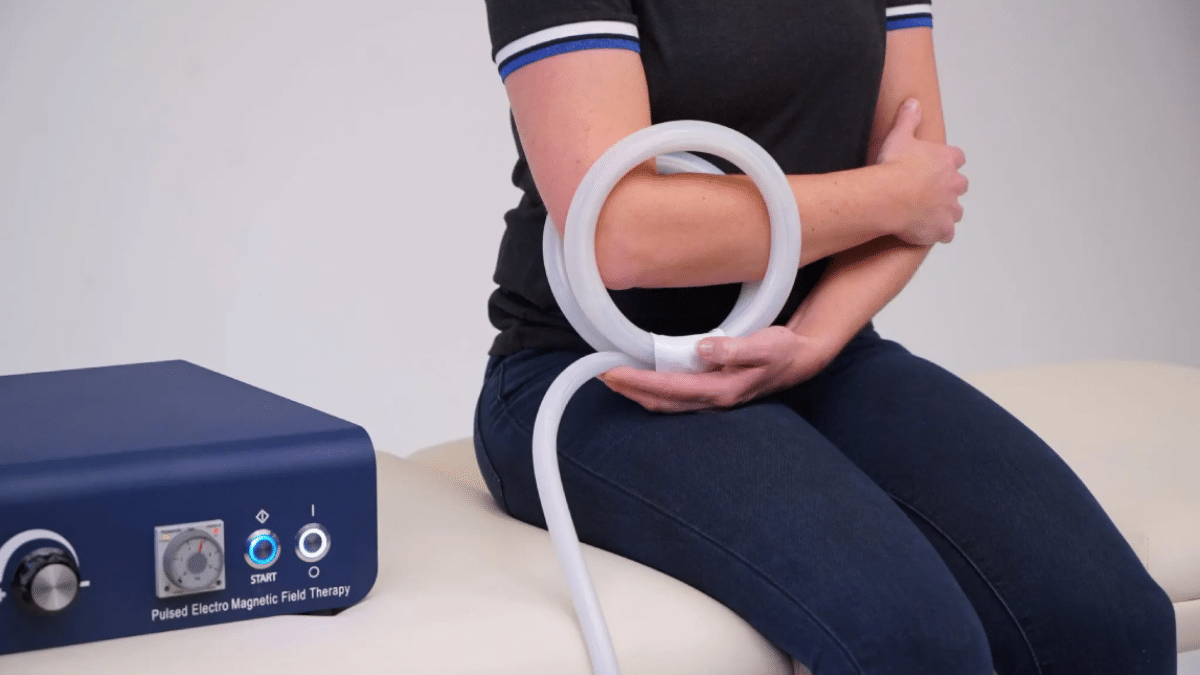
PEMF mats are designed to give you that recharge right at home. You only need to lie down or sit on them, and you can use them to target specific spots of your body. They’re also often customizable, with different intensities and durations. It’s basically a potential way to help you relax, recover, and maybe, feel less pain — especially when your body is stressed or inflamed.
How does a PEMF mat work: the science behind
When you lie on the mat, electromagnetic fields pulse from the mat and into your body’s tissues. The pulses are created by electrical currents and they go through your skin and muscles to reach your cells to stimulate them into activity. Your tissues get these small electrical currents, which might help them work better — meaning they can heal any damage more quickly.
The magnetic fields are moving tiny, electrically charged particles around, which might boost blood flow and reduce inflammation. However, while all these benefits sound great, research doesn’t have enough evidence to support PEMF therapy fully. A recent systemic review showed that more studies are needed before any claims can be made.
Benefits of using a PEMF mat
While research still doesn’t fully support the claims, potential benefits include:
Pain management
PEMF therapy might help reduce pain, but how exactly still isn’t fully understood. It might be a combination of faster cell regeneration, improved blood flow, and potentially, reduced inflammation. One systemic review showed it helped reduce pain and improve physical function compared to control groups.
Sleep improvements
The mat’s pulses might help some people feel more calm, since it may work to calm the nervous system — the added sensation of relaxation can make it easier to fall asleep. Some people also say they feel they sleep better throughout the night after using the mats. A small study with 35 insomnia participants taking overactive bladder medication showed that PEMF therapy potentially helped reduce sleep disturbances linked to physical health conditions.
Reduced inflammation
By stimulating certain cells, PEMF mats might induce quicker healing and balance out inflammatory responses. For example, it might benefit people with arthritis, sore muscles, or other inflammatory conditions. Studies on animals and humans show it can help with tissue repair, but studies are ongoing to better understand the process.
Improved mobility
PEMF therapy has been linked to better mobility, particularly for people with joint issues or osteoarthritis. This might be because of reduced inflammation and better blood flow, which may increase flexibility and reduce pain.
Increased blood flow and circulation
We all need good blood circulation to keep our tissues and cells nourished and energized. One promising benefit of PEMF therapy is its possibility to boost circulation, letting more oxygen reach the cells. The more oxygen and nutrition our cells get, the better the chances of a quicker recovery, fast immune response, and overall sense of vitality.
Potential side effects and risks
PEMF is non-invasive and considered safe for most people, but some mild side effects are still possible, such as:
- Headaches
- Dizziness or nausea
- Temporary increase in pain
- Tingling or warmth in the treated area
Who should avoid using PEMF mats
If you have a condition, it’s always best to talk to your doctor before starting any new treatment, no matter how safe it might appear. Those who should avoid PEMF therapy in general include:
- Pregnant people
- Those with pacemakers or implanted electronic devices
- Recent surgery or active bleeding disorder patients
- People with seizure disorders
How to use a PEMF mat?
Adding a PEMF mat doesn’t have to be hard — think of how you could stack it onto another habit you already have. For example, if you usually lie in bed or watch TV before sleeping, keep your mat nearby and put it on while winding down for the evening.
Just follow the instructions provided with the type of mat you got, and use it for the recommended levels and durations. While it depends on your mat, many recommend these settings:
- Relaxation: 15-20 minutes at low intensity
- Pain relief: 20-30 minutes at medium-high intensity
- Recovery: 30-45 minutes at moderate intensity post-activity
You can expect a mild warmth or tingling when you first start using it. Make sure to stay hydrated, use it regularly, and adjust the settings to your needs and comfort.
Final thoughts: do you need a PEMF mat?
Not everyone needs a PEMF mat, especially because the science is still out on confirming its benefits. However, if you’re open to trying anything and everything to help reduce pain, speed up cell recovery, and relax more easily (and you can afford it), why not? As long as you speak to your doctor first, it’s a relatively safe and easy way to try and boost your health. Plus, if you believe it can help the placebo effect can be a powerful aid.
Have you tried a PEMF mat? Share your experiences in the comments below. Did you notice any change? Let others know what to expect and how it turned out for you.
FAQs:
- How often should I use a PEMF mat?
Follow the instructions on your PEMF mat and ask your doctor first. In general, it’s often recommended to start with 2-3 sessions per week, gradually increasing as needed.
- Can I sleep on a PEMF mat overnight?
It depends on the mat — check the manual to be sure. Some offer low-intensity options for sleeping on but speak to your doctor first. Not all healthcare professionals would recommend such long-term usage.
- How can I tell if my PEMF mat is working?
It’s not always easy to tell if it’s working, and results depend on each person and their condition and needs. Give it a few weeks or months to judge whether or not you notice better sleep or less pain (some studies were done for three months, for example).
- Can you feel the PEMF mat?
Some people might feel a tingling or warm sensation, while others don’t notice anything at all. Both responses are normal and don’t affect its effectiveness.