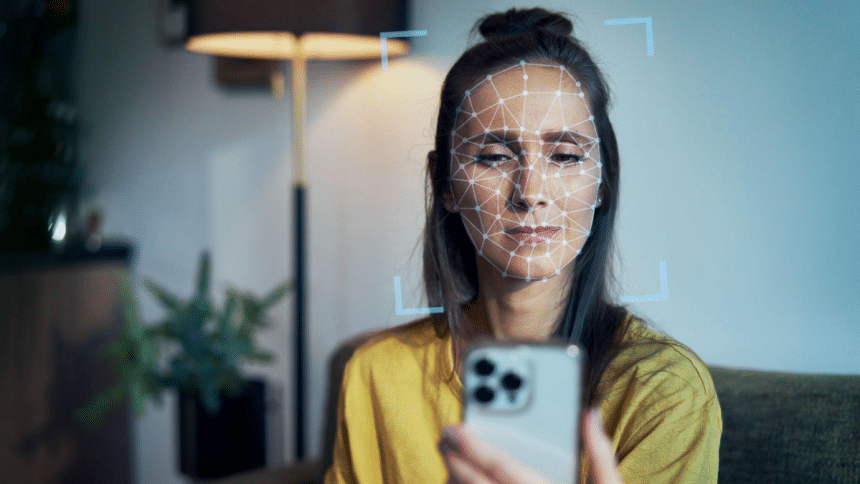
The advent of deepfakes has introduced a new form of vulnerability in biometric security. This act enables individuals to bypass facial recognition systems with astonishing ease. It is as simple as creating videos that mimic a person’s facial expressions, movements, and mannerisms.
While some people may look at it from a positive aspect, malicious actors use these tricks negatively. They can unlock your smartphones. They can even bypass access to sensitive information. As a result, the threat presented by deepfakes grows by the day. What are these risks, and how can you protect yourself? Walk with us as we journey to uncover the deets.
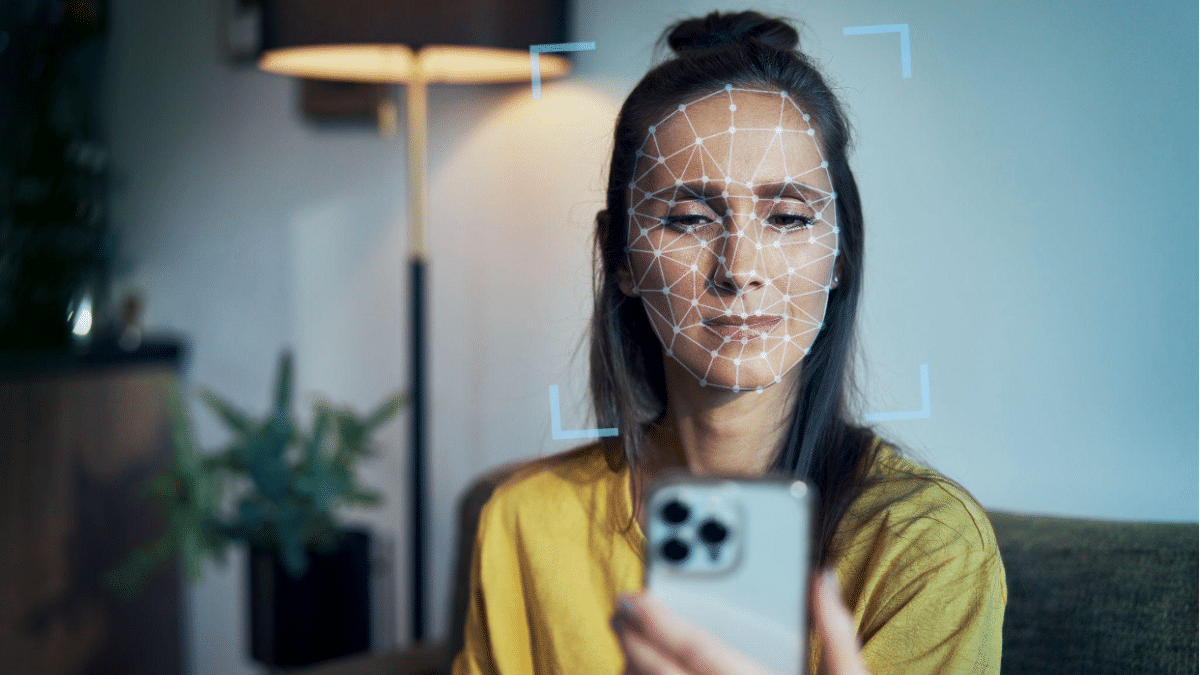
The Science of How Face ID and Biometric Systems Work
Biometric security is based on a simple idea. Our bodies have certain features that make us distinct from everyone else. Companies, such as financial and security institutions, take advantage of these to add extra layers of protection. What are these unique features?
- Fingerprints are one-of-a-kind patterns in each person;
- Facial structures, including distinct shapes and features that make each face special;
- Iris patterns that are almost impossible to replicate;
- Voice ID, which matches pitch, tone, and pronunciation.
The whole thing is a great idea, but there’s a catch—advanced tech can now create digital replicas that mimic our supposed unique features.
Digital Doppelgangers: A Crack in the Biometric Security System
Video content mimicking people always comes off as laughable and fun—until it isn’t. That’s the situation with deepfakes. But first, how does deepfake work?
Deepfakes are fake videos or audio recordings that use artificial intelligence to mimic or copy someone. This includes replicating a person’s voice, face or expressions. They are created using a type of machine learning that can make the fake look very real. It is essentially the digital impersonation of a person, which, in most cases, is never for a good cause.
In 2018, deepfakes were considered cute and funny. However, it has rapidly transformed from laughable manipulations to sophisticated tools for scams, identity theft, and biometric spoofing. Most biometric systems, designed to match live scans to stored identities, struggle to detect AI-generated fakes.
For example, a UK company once lost over $240,000 to a voice deepfake scam, while a European energy firm wired $25 million after a synthetic video and cloned voice impersonated its CEO.
Furthermore, deepfakes can outrightly fake identities with realistic photos, voices, and documents. This easily enables fraudsters to open fake bank accounts, apply for loans, or commit financial crimes. If you weren’t unsettled by the threat posed by deepfakes before, you should be now.
Online Platforms Are Prime Targets
If you wonder why online platforms employ high-end encryption, it’s because malicious actors work overtime. The websites with real-money wallets and reliance on remote ID verification are, as you’d expect, prime targets.
In 2023, Sensity AI reported a 300% increase in deepfake attacks. This is aimed towards biometric verification systems, including those used for KYC in finance, crypto, and iGaming.
There are some common biometric systems, including KYC verification, account logins, and fraud prevention. Most of these systems feature face or fingerprint access options, and that’s where deepfakes can do the damage.
Consequences of Deepfake Activities
Every action has its consequences. What started off as entertainment has spiralled into a nightmare for most people. Deepfake content causes a range of negative effects, some of which we’ve brought into perspective below.
- Trust Erosion: Deepfakes could damage reputations when their content is being circulated. It undermines the trust people have in certain persons and institutions, like banks.
- Financial Losses: Deepfake-related scams can result in significant financial losses for individuals and organisations. People lose everything within a heartbeat. And it becomes difficult to bounce back because the damage is beyond repair.
- National Security: Deepfakes can be used to create fake messages or content that can compromise national security. They can also trick unsuspecting officials or systems to divulge sensitive info. So if you’re wondering why the government spends so much on updating software and tech, you now have an idea.
Can Something Be Done About DeepFake Spoofing?
In 2021, some Chinese researchers used 3D masks and AI-generated videos to bypass facial recognition systems in payment terminals. Actions like these make deepfake spoofing a growing concern in the digital world. Not to worry, because there are methods that have been engineered to offer some protection.
- Multimodal Biometric Authentication: This strategy combines multiple biometric factors, such as your face, voice, and fingerprint recognition. Think about it as enhancing security by making it twice, or even thrice as hard for fraudsters to gain access. After all, it’s not that easy to spoof multiple traits simultaneously.
- Liveness Detection: This is a strategy often used by fintech companies. This technology ensures the person presenting their biometric data is real. It can detect gentle or subtle movements, including eye blinking patterns and facial expressions, which are often imperfectly replicated by deepfake technology.
- Deepfake Detection Tools: These detection tools analyse biometric data. It goes in search of signs of tampering or fraudulent presentation. In most cases, they are designed to detect anomalies in voice patterns, facial recognition, and fingerprint scanning.
- Blockchain-Based Verification:Blockchain-based identity management systems put you in control of your own data, but in an advanced security infrastructure. Moreover, it is immutable in nature. In simple terms, data stored on the blockchain cannot be altered or deleted. What that gives you is a permanent record of transactions and identity verification.
- Education and Awareness: Everyone falls for some tech tricks—even total experts—so it’s nothing to be embarrassed about. However, staying up to date with deepfake detection tools can help you avoid potential deepfakes. We’re talking public awareness campaigns and even exciting challenges to attract attention.
Biometrics v. Deepfake: Going Head-to-Head
Research shows that the deepfake detection market is expected to grow to $3.9 billion by 2029. This is largely because threats are growing faster than protection systems. However, the use of biometrics still poses a significant challenge with these deepfakes. How have they fared against each other?
| Biometrics Mode | Common Usage | Deepfake Susceptibility | Reason for Vulnerability |
| Facial Identification | Smartphones, online casinos | High | It can easily be replicated by a real visual simulation |
| Fingerprint Scanning | Banks, mobile devices and smart doors | Medium | It is quite difficult to replicate, except with advanced tech or skills |
| Voice Recognition | Customer service, banking service | High | This is easy to imitate, especially if you study the intonation and speech patterns |
| Iris Scans | Airports, military bases and top-notch security facilities | Low | The difficulty level is very high when compared to other methods |
| Behavioural Biometric Systems | Signature or typing patterns | Medium | It is very difficult to copy or simulate, but not impossible |
The Future of Biometric Safety Systems
Deepfakes may not be easy to identify all the time. They are becoming far too sophisticated and accessible—and quite simply, they’ll continue to. This poses a very real threat to biometric security.
Now, with free apps generating convincing deepfakes readily available, this issue is no longer confined to a niche audience. However, defences and strong breach walls are also evolving simultaneously. Tech companies are developing AI-driven detection systems. Regulators are establishing standards. Even consumers are becoming more aware of the risks. The battle is no longer one-sided, and that’s what matters.