
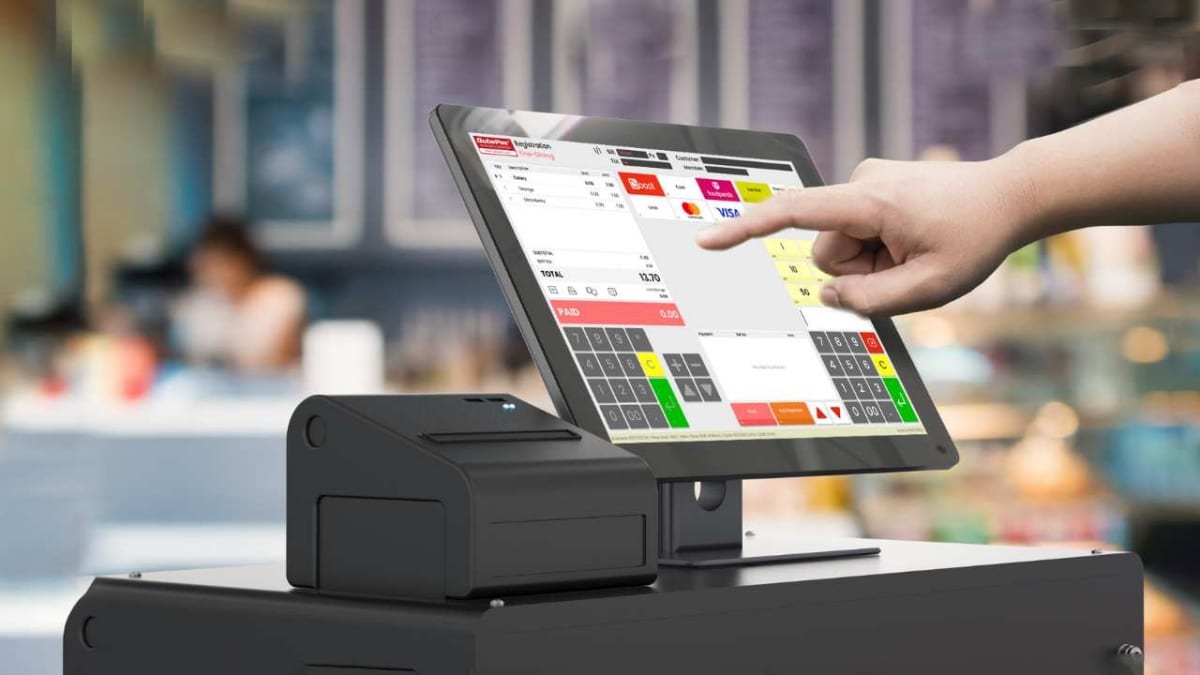
In today’s fast-paced retail environment, cloud-based Point of Sale (POS) systems are transforming the way businesses operate, marking a significant shift from traditional cash registers and standalone payment terminals. These modern systems, which operate through the internet rather than local servers, are giving retailers unprecedented flexibility and control over their operations. By storing data in the cloud, business owners can now access their sales information, inventory levels, and customer data from anywhere, at any time, using just a smartphone or tablet. This technological advancement is particularly revolutionary for small and medium-sized businesses, as it eliminates the need for expensive hardware installations and reduces maintenance costs. Cloud-based POS systems also offer seamless integration with other business tools like accounting software, e-commerce platforms, and customer relationship management systems, creating a unified approach to retail management. The ability to automatically update software, process transactions even during internet outages, and provide real-time analytics has made these systems increasingly popular among retailers of all sizes. As businesses continue to adapt to changing consumer preferences and the growing demand for omnichannel shopping experiences, cloud-based POS systems are proving to be not just a technological upgrade, but a fundamental tool for staying competitive in the modern retail landscape.
How Cloud-Based POS Systems Are Revolutionizing Retail
Real-Time Data Access and Analytics
In the world of modern retail, having instant access to business data is crucial, and cloud-based POS systems excel in this area. Store owners and managers can view sales figures, inventory levels, and customer behavior patterns in real-time, regardless of their physical location. This immediate access to data allows for quick decision-making and better business management. For example, if a particular product is selling faster than expected, managers can immediately order more stock, or if sales are slow in certain hours, they can adjust staffing levels accordingly. The analytics capabilities of these systems go beyond simple sales tracking – they can identify peak shopping hours, monitor employee performance, track the success of promotions, and generate detailed reports that help in making informed business decisions. This level of insight was previously available only to large retail chains with sophisticated systems, but cloud-based POS has democratized access to advanced analytics for businesses of all sizes.
Enhanced Security and Data Protection
Cloud-based POS systems for retail offer superior security features compared to traditional systems, addressing one of the most critical concerns in retail operations. These systems employ advanced encryption methods to protect sensitive customer data and financial information during transactions. Regular automatic updates ensure that security patches are always current, protecting against the latest cyber threats. Cloud storage also means that if a physical device is stolen or damaged, no critical data is lost since everything is securely stored on remote servers. Many cloud POS providers maintain multiple backup servers in different locations, ensuring data redundancy and business continuity. Additionally, these systems typically comply with the latest payment security standards like PCI DSS (Payment Card Industry Data Security Standard), reducing the burden on retailers to maintain complex security protocols themselves. This robust security infrastructure helps protect both the business and its customers from data breaches and fraud.
Seamless Integration Capabilities
One of the most significant advantages of cloud-based POS systems is their ability to integrate with other business tools and platforms seamlessly. These systems can connect with accounting software like QuickBooks, e-commerce platforms like Shopify, customer relationship management (CRM) systems, and inventory management tools. This integration eliminates the need for manual data entry across different platforms and reduces the chance of errors. For instance, when a sale is made, the system can automatically update inventory levels, create accounting entries, and add customer information to the CRM database. The integration capabilities also extend to marketing tools, allowing businesses to automatically send receipts, promotional offers, and loyalty program updates to customers. This interconnected ecosystem creates a more efficient workflow and provides a complete view of the business operations in one centralized system.
Flexibility and Scalability
Cloud-based POS systems offer unparalleled flexibility and scalability that traditional systems simply cannot match. As businesses grow or change, these systems can easily adapt without requiring significant hardware upgrades or system overhauls. Adding new locations, terminals, or users can be done quickly and with minimal disruption to existing operations. The systems can also be accessed from various devices, including tablets and smartphones, giving businesses the flexibility to process transactions anywhere in the store or even at outdoor events and pop-up locations. During seasonal peaks, the system can handle increased transaction volumes without performance issues. This scalability also extends to the features and functionality of the system – businesses can start with basic features and add more advanced capabilities as their needs evolve, making it a cost-effective solution for growing businesses.
Improved Customer Experience
Cloud-based POS systems significantly enhance the customer experience through various features designed to make shopping more convenient and personalized. These systems can store customer purchase history, preferences, and contact information, allowing staff to provide more personalized service. Loyalty programs can be easily implemented and managed, with points or rewards automatically calculated and applied during transactions. The systems can also support multiple payment methods, including contactless payments, mobile wallets, and split payments, giving customers more flexibility in how they pay. Email receipts can be automatically sent, reducing paper waste and providing customers with digital records of their purchases. Some systems even allow for self-service kiosks or mobile checkout options, reducing wait times during busy periods. The ability to access customer data quickly also helps staff resolve issues more efficiently, leading to better customer service overall.
Cost-Effectiveness and Reduced Maintenance
The financial benefits of cloud-based POS systems make them particularly attractive to businesses of all sizes. Unlike traditional POS systems that require significant upfront investment in hardware and software licenses, cloud-based systems typically operate on a subscription model with predictable monthly fees. This subscription usually includes regular updates, security patches, and technical support, eliminating the need for expensive maintenance contracts or in-house IT staff. Hardware requirements are minimal, often just requiring a tablet or smartphone and a card reader, significantly reducing initial setup costs. The automatic update feature ensures that businesses always have access to the latest features and security updates without additional costs. Cloud storage eliminates the need for expensive on-site servers and backup systems, while the reduced reliance on physical hardware means fewer repair and replacement costs over time.
Business Continuity and Offline Capabilities
Modern cloud-based POS systems are designed to ensure business continuity even in challenging situations. While these systems rely on internet connectivity for many features, most can continue processing transactions even during internet outages through offline modes. Once the connection is restored, all offline transactions are automatically synchronized with the cloud database. This feature is crucial for businesses that cannot afford downtime during network issues. The cloud-based nature of these systems also means that in case of hardware failure or natural disasters, business data remains safe and accessible from any device with internet access. Many systems also include automatic backup features and disaster recovery options, ensuring that business operations can quickly resume after any disruption. This level of reliability and redundancy helps businesses maintain operations under various circumstances and provides peace of mind to business owners.
Conclusion
Cloud-based POS systems have become essential tools in modern retail, offering far more than just payment processing capabilities. These systems provide real-time insights, enhanced security, seamless integration, and improved customer experiences while remaining cost-effective and scalable. As retail continues to evolve, with increasing demands for omnichannel experiences and data-driven decision-making, cloud-based POS systems will play an even more crucial role in business success. Their ability to adapt to changing business needs, combined with robust features and reliability, makes them not just a technology upgrade but a strategic investment for retailers looking to thrive in today’s competitive marketplace.