Artificial intelligence is a growing field in the medical and health industry. Healthcare professionals are trying to find new, exciting ways to be able to reduce errors with diagnostics, spend more time with patients and improve service.
Companies like Redwerk offer healthcare services the opportunity to tie their systems or apps into devices for a robust, fast way of offering AI.
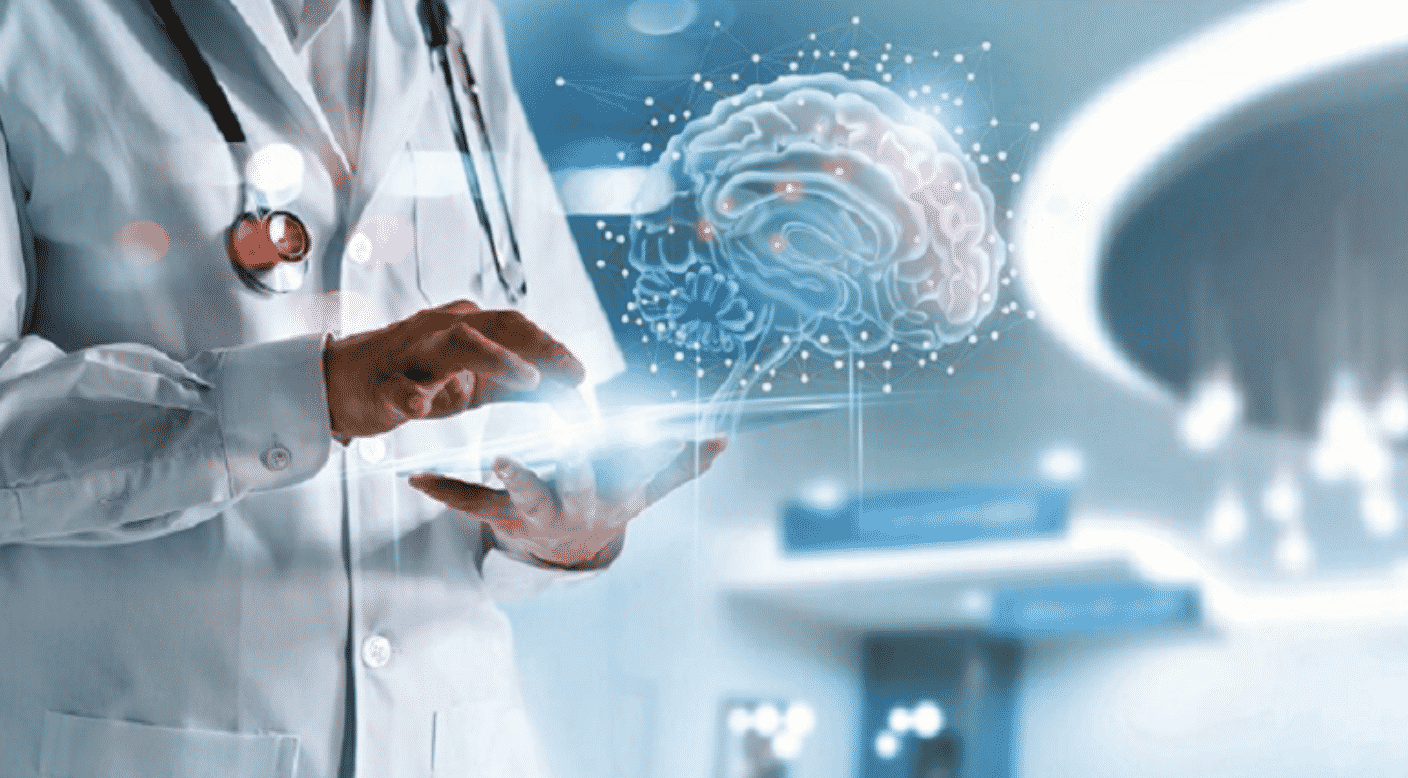
And in the medical field, we’re already seeing artificial intelligence being used for:
Diagnostics
Diagnosing disease, broken bones or other health issues are common. Doctors may look through images and files to cross reference and determine if a person has a disease. AI can perform these same tasks without ever being fatigued and reducing errors at the same time.
Years of medical training are needed to diagnose diseases, but AI eliminates the time-consuming process.
Through machine learning, it’s cheaper and more affordable to diagnose disease. The algorithms will:
- View and analyze patterns
- Continually learn and refine their approach
Medical professionals will supply the platform with a lot of data to be able to learn when a disease is present or not. As time goes on and more data is collected, the machine’s error rate is reduced, and the results are better.
A few of the data points that can be fed to the algorithm to be able to diagnose disease properly include:
- CT scans
- MRI images
- Skin images
- Eye images
- Electrocardiograms
For example, the AI may look at a patient’s lung scan to try and detect the presence of cancer. Since doctors will look for tumors on the images, the AI will do the same and compare the image to other images of patients that have lung cancer.
Some of these applications are able to find indicators of cancer earlier than doctors because they can compare miniscule differences that doctors overlook.
There’s a lot of potential for AI and diagnostics, but doctors are going to review everything and determine the final diagnostic. In the future, AI may be the only way to diagnose disease, but doctors will remain heavily involved in this area for a long time.
Drug Development
Developing new drugs is expensive. Companies can spend hundreds of millions of dollars creating new drugs. The drug must go through trials and pass government requirements before it can be released to the public.
A lot of man hours and research go into drug development, but AI has the potential to reduce both:
- Total expenses
- Years of work
AI is already being used in all four areas of drug development, including:
- Identification
- Discovery
- Trials
- Biomarker identification
Algorithms are advancing, allowing them to use big data to learn how to identify potential proteins to use and analyze data faster than researchers.
Molecule suitability is easier to predict based on the unique fingerprint of the molecule. The use of machine learning and big data allows for AI to work through millions of molecules and narrow down the molecules of most importance for researchers.
A lot of time and energy is saved in drug development because AI can sift through more records than a human is capable of working through.
Clinical trials can be sped up and even diagnostic biomarkers can be involved with the use of AI.
Treatment Personalization
A personalized treatment plan leads to faster recovery and better health for patients. Machine learning, big data and artificial intelligence can all work together to provide better treatment options and schedules for patients.
Machine learning can crunch the numbers, doing all of the statistical work, to determine which characteristics of a patient’s illness will have a better response with a certain type of treatment.
Algorithms can help:
- Predict patient response
- Cross-reference patients with similar conditions
- Design treatment plans with greater success
Artificial intelligence is able to provide computing power that is beyond what a doctor or even a team of researchers can provide. The use of AI is continuing to advance in the field of medicine. We’re starting to see many major government agencies and health organizations deploy AI solutions in new, exciting ways.
We’re even seeing AI enter the field of gene editing with great success. Through AI, gene editing can be done with great efficiency and a higher degree of predictability than what’s possible outside of AI.